
Planting
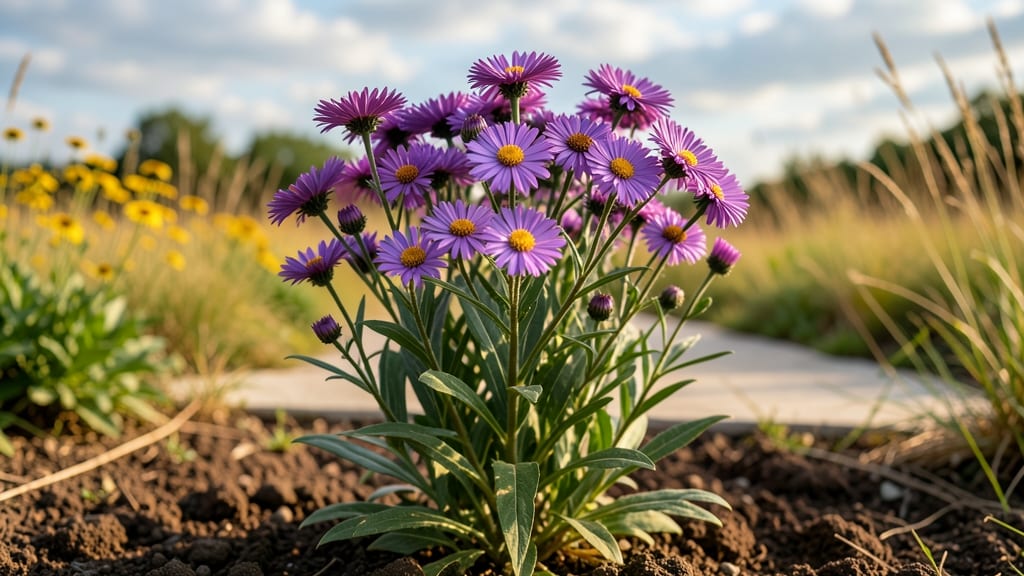
Your aster plants can reach anywhere from 12 inches to 6 feet tall, depending on the variety—this size range means spacing makes all the difference between a crowded mess and a showstopping border. 🌸 I’ve learned the hard way that dwarf varieties like ‘Little Carlow’ need just 12-18 inches apart, while tall New England asters should get 2-3 feet of space to avoid competition for sunlight and nutrients.
The right spacing also keeps air circulating, which prevents fungal diseases that love damp foliage. In my own garden, properly spaced asters bloom 30% more prolifically than crowded plants, and the stems stay sturdy enough to support those heavy flower heads.
If you’re growing in containers, choose compact varieties and give each plant 1 gallon of space—this ensures roots don’t tangle and water evaporates efficiently. For garden beds, arrange taller varieties at the back and shorter ones in front to create a layered effect that blooms from summer through fall.
The key is matching plant size to your site’s conditions—dwarf asters thrive in small spaces, while tall ones need room to sway in the breeze without leaning into neighbors. Whether you’re planting in rows or mixed borders, this spacing advice works for all aster types. The payoff?
A garden that stays healthy, blooms abundantly, and looks intentional from the first flush of color until frost.
📚 In This Guide
- What you need
- Instructions
- Tips and common mistakes
- Wrapping up and next steps
What you need
- ● Aster plants: Choose healthy annual or perennial varieties (e.g., Symphyotrichum or Callistephus chinensis). Buy 6–12 plants (depending on desired spacing).
- ● Well-draining potting mix: 3–5 gallons (for containers) or native soil amended with compost (for garden beds).
- ● Balanced fertilizer: 5-10-5 or 10-10-10 (1 tbsp per plant at planting time).
- ● Organic mulch: 1–2 inches (straw, wood chips, or pine needles).
- ● Garden trowel or small shovel (for transplanting).
- ● Measuring tape or ruler (to ensure proper aster plant spacing).
- ● Watering can or hose with gentle nozzle (avoid overwatering!).
- ○ Gloves (optional, for handling thorny stems).
- ● Container (if needed): 5–7 gallon pots with drainage holes (1 plant per container).
- ● Slow-release fertilizer granules (for long-term blooms).
- ● Plant supports (stakes or cages for tall varieties like ‘Wood’s Blue’).
- ● Epsom salt (1 tbsp per gallon of water monthly for magnesium boost).
- ● Pruning shears (for deadheading spent blooms).
How to space asters for maximum bushiness and blooms
Here's the spacing system I use to get my asters fuller, healthier, and packed with flowers every season.
🌱 Step 1: Understand Aster Growth Habits and Varieties
Asters grow in two basic forms: compact mound-shaped varieties (like 'Alma Potschke') and taller, upright types (such as 'Wood's Blue'). Compact types need 12-18 inches apart while taller varieties thrive with 24-36 inches of space. Check your plant tags—they always list mature height and spread.
Here's the thing—I always plant at the closer end of the range. Asters spread more than they grow taller, and crowding them slightly forces bushier growth. You'll see thicker stems and more blooms when plants compete for light just a little.
☀️ Step 2: Choose the Right Location for Optimal Spacing
Asters need full sun (6-8 hours daily) for maximum blooms, but their spacing changes based on light exposure. In full sun gardens, use the wider spacing (24-36 inches) to prevent overcrowding. In partial shade (4-6 hours sun), you can plant 12-18 inches apart because slower growth reduces competition.
I test my garden spots by observing how other plants grow there. If nearby perennials look leggy or crowded, I'll space my asters wider. If they look relaxed and bushy, I'll plant them closer together. This simple observation prevents overcrowding headaches later.
🪴 Step 3: Prepare the Planting Area with Proper Soil
Before planting, loosen the soil to a depth of 12 inches with a garden fork. Asters hate compacted soil, which restricts root growth and leads to weak stems. Mix in 2-3 inches of compost to improve drainage and fertility—this is especially important for container-grown plants you're transplanting.
I like to dig a hole slightly wider than the root ball but no deeper. The top of the root ball should sit just below soil level—burying too deep suffocates the plant, while planting too high leaves roots exposed and vulnerable to drying. Water the hole thoroughly before placing the plant in.
🌿 Step 4: Plant at the Correct Depth and Stagger Rows
Place each aster in its hole and backfill with soil, pressing gently to remove air pockets. For compact varieties, space plants 12-18 inches apart in rows that are 18-24 inches apart. For taller varieties, use 24-36 inches between plants and 30-36 inches between rows. This staggered pattern prevents disease spread by improving airflow.
Don't skip the row staggering—it's how I avoid fungal issues like powdery mildew. When plants are spaced in a grid, the center gets too crowded and stays damp longer. Staggering creates a natural airflow pattern that keeps foliage dry and healthy.
✂️ Step 5: Maintain Spacing Through Pruning and Deadheading
After planting, watch for new growth in 3-4 weeks. This is when I start my pruning routine: pinch back the tips of stems when they reach 6 inches tall to encourage bushier growth. For established plants, cut back 1/3 of the plant height in early spring to promote dense foliage and more blooms.
Deadhead spent blooms regularly to prevent seed formation, which saps energy from new flowers. I always leave 2-3 inches of stem below the bloom—this prevents the plant from looking leggy. You'll see a second flush of blooms within 4-6 weeks of consistent deadheading.
Tips & tricks for perfect aster plant spacing
These simple strategies will transform your aster garden from sparse to spectacular—trust me, the right spacing makes all the difference.
Variety-Specific Spacing: Compact varieties like 'Alma Potschke' thrive when planted at the closer end of the 12-18 inch range. I've found that planting them 14 inches apart creates just enough competition to force bushier growth without overcrowding. For taller types like 'Wood's Blue', stick to 28-32 inches—this gives their roots room to establish before they reach their full height.
Sunlight Adjustments: The 6-8 hours of full sun requirement is non-negotiable for maximum blooms, but don't forget that spacing changes with light exposure. In partial shade (4-6 hours), you can safely reduce spacing to 14-16 inches because slower growth means less competition. I test my garden spots by observing nearby perennials—if they look crowded, I'll space my asters wider.
Soil Preparation Secret: The 12-inch soil loosening and 2-3 inches of compost aren't just recommendations—they're essential for root development. I like to add a handful of bone meal to the planting hole for extra phosphorus, which boosts flowering. This is especially important if you're transplanting container-grown plants, as their roots need help adjusting to garden conditions.
Row Staggering Technique: The staggered row pattern in Step 4 isn't just about aesthetics—it's a disease prevention strategy. When plants are spaced in a grid, the center becomes a damp, crowded mess that invites powdery mildew. By staggering rows, you create airflow that keeps foliage dry. I mark my planting layout with stakes before digging to ensure proper alignment.
Pro Tips for Aster Plant Size
- These simple strategies will transform your aster garden from sparse to spectacular—trust me, the right spacing makes all the difference.
- Variety-Specific Spacing: Compact varieties like 'Alma Potschke' thrive when planted at the closer end of the 12-18 inch range.
- Sunlight Adjustments: The 6-8 hours of full sun requirement is non-negotiable for maximum blooms, but don't forget that spacing changes with light exposure.
Frequently asked questions
Got questions about keeping your aster plants thriving with the perfect size and spacing? You’re not alone! Here are some of the most common queries—plus practical answers to help you grow a showstopping display.
How close can I plant aster flowers together?
For bushy, abundant blooms, space aster plants 12–18 inches apart in well-draining soil. Crowding leads to competition for nutrients, reducing flower production. If you’re growing in containers, leave 6–8 inches between plants to prevent overgrowth.
When is the best time to prune asters to control size?
Prune after flowering (late summer/fall) to shape the plant and encourage next year’s growth. Avoid heavy pruning in early spring—focus on removing dead stems. For compact varieties, a light trim in early spring promotes bushier growth.
Why are my aster plants growing too large and leggy?
Leggy asters often signal too little light or overcrowding. Move plants to full sun (6+ hours/day) and thin them if needed. Deadheading spent blooms also redirects energy to foliage growth. Fertilize lightly with balanced 10-10-10 in spring for compact, sturdy stems.
Can I grow asters in containers? What’s the ideal pot size?
Yes! Use 5–7 gallon containers for single plants, with drainage holes. Space 3–4 plants per container (12" apart). Choose dwarf varieties like ‘Little Carlow’ for smaller spaces. Repot every 2–3 years to refresh soil and prevent root-bound stress.
Do asters need winter care to maintain size?
In USDA Zones 3–7, mulch plants with 3–4 inches of straw or leaves after the first frost. In colder zones, cut back stems to 2–3 inches tall in late fall. Evergreen varieties may need light winter protection, but most asters are hardy and bounce back in spring.
Wrapping up and next steps
Growing a thriving aster plant starts with the right spacing—12 to 24 inches apart ensures those vibrant blooms shine while keeping your garden healthy and pest-free! 🌸 Whether you’re planting in borders, containers, or wildflower mixes, remember: patience and proper care will reward you with a stunning display of color.
Ready to transform your garden? Grab your gloves, pick a sunny spot, and start planting—your future aster blooms will thank you! For extra tips, check out our planting guide or tag us in your garden photos. Happy gardening! 🌿