
Planting
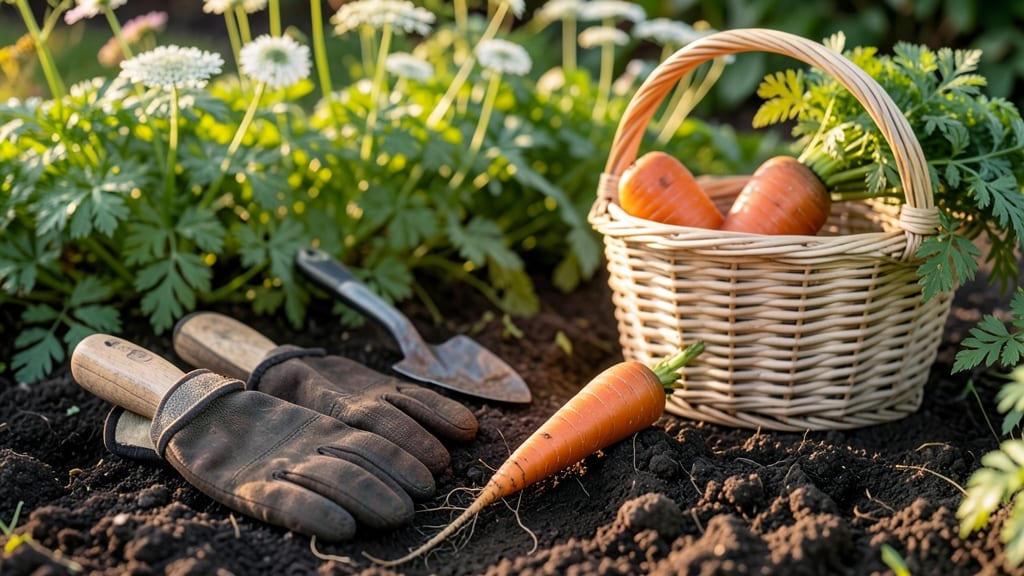
Growing Autumn King carrots means crisp, sweet harvests even when frost paints the ground white. 🌱 These cold-hardy perennials defy winter's chill, producing tender roots well into December if protected properly.
Unlike annual carrots, they regrow each spring from the same crown, making them the ultimate low-maintenance crop for patient gardeners.
The secret lies in loose, stone-free soil enriched with compost before planting. Sow seeds just ½ inch deep in early spring or late summer, spacing them 2 inches apart in rows 12 inches apart.
Thin seedlings to 3 inches apart when they reach 2 inches tall—this prevents forking and ensures straight, uniform roots.
Water consistently to keep soil moist but never soggy, especially during dry spells. A 2-inch layer of mulch preserves moisture and suppresses weeds. For year-round harvests, succession plant every 2-3 weeks from spring until early fall, then protect mature plants with row covers when temperatures drop below 20°F.
Watch for carrot rust fly and leaf miners—cover seedlings with fine mesh netting if these pests appear. Harvest when roots reach 1-1½ inches in diameter for tender texture, or leave them longer for sweeter flavor.
With proper care, Autumn King carrots reward you with harvests that last far beyond what annual varieties can offer.
📚 In This Guide
- What you need
- Instructions
- Tips and common mistakes
- Wrapping up and next steps
What you need
- ● Autumn King carrot seeds – 1 pack (approx. 500 seeds) (choose organic or heirloom for best results).
- ● Well-draining soil – Loose, sandy loam or raised bed mix (avoid clay-heavy soil to prevent forked roots).
- ● Fertilizer – Balanced organic fertilizer (5-5-5) or compost (mix 1 cup per 10 sq ft of soil).
- ● Watering can or hose with gentle spray – Keep soil consistently moist but not soggy.
- ● Garden trowel or transplanting tool – For sowing seeds and loosening soil.
- ● Ruler or spacing guide – Mark rows 12–18 inches apart (carrots need room to grow!).
- ○ Row covers or frost cloth – Optional but helpful for early/late seasons (protects from pests and light frosts).
- ● Mulch (straw or shredded leaves) – 2–3 inches thick to retain moisture and suppress weeds.
- ● Sunlight – Full sun (6+ hours daily) or partial shade (if in hot climates).
- ● Cold tolerance – Autumn Kings thrive in temps down to 20°F (-6°C)—perfect for fall/winter harvests!
- ● Patience! – Germination takes 2–3 weeks (keep soil warm and moist to speed it up).
Step-by-Step guide to growing Autumn King carrots for year-round harvests
This cold-hardy variety thrives in autumn and overwinters for spring harvests—here's how to cultivate them successfully.
🌱 Step 1: Prepare the Soil for Optimal Germination
Autumn King carrots demand loose, stone-free soil to develop their signature long taproots. Work the 12-inch deep bed with a broadfork to break up compacted layers without turning the soil—this preserves the natural structure. Amend with 2 inches of compost and 1 cup of sand per 10 square feet to improve drainage, which is critical for preventing forked roots.
Smooth the surface with a rake until it feels fine like talcum powder. The goal is to eliminate any rocks or clumps larger than a pea—carrots will simply stop growing where they encounter resistance. Test the soil moisture by squeezing a handful: it should hold together lightly but not feel damp. If too dry, water gently until the top 6 inches are evenly moist.
🌱 Step 2: Sow Seeds at Proper Depth and Spacing
Scatter seeds ¼ inch deep in rows spaced 12 inches apart, using the 1 packet of Autumn King seeds (about 1,000 seeds). I tap the seed packet gently to release one seed at a time—planting too many in one spot leads to weak, stunted roots. Cover lightly with ½ inch of fine sand (not soil) to prevent seed-to-soil contact that can cause rot.
Thin seedlings to 2 inches apart when they reach 2 inches tall, using scissors to snip at soil level rather than pulling. This prevents disturbing nearby roots. The best time to thin is on a cool, overcast morning—carrots handle stress better when temperatures stay below 75°F. Save the thinnings for microgreens or compost.
☀️ Step 3: Maintain Consistent Moisture and Light
Water ½ inch per week during germination, keeping the soil surface consistently moist but never soggy. Use a drip irrigation system set to deliver water 1 inch per week once seedlings emerge—this prevents surface crusting that can smother young plants. Mulch with 2 inches of straw after thinning to retain moisture and suppress weeds, which compete aggressively with carrots.
Autumn King carrots need full sun (6+ hours daily) for sweet development, but they tolerate partial shade in hot climates. You'll notice the leaves darken and roots sweeten when days grow shorter in autumn—this is their natural flavor peak. If growing into winter, add 4 inches of straw mulch before the first frost to insulate roots and prevent heaving.
⏰ Step 4: Time Harvests for Peak Flavor and Storage
Start harvesting 70-80 days after sowing when roots reach ¾ inch diameter for baby carrots, or wait 90-100 days for full-size 8-10 inch roots. Check readiness by gently brushing away soil—roots should feel firm with no green shoulders. Harvest on dry mornings to prevent soil from clinging, which invites rot during storage.
For overwintering, leave carrots in the ground until spring (they'll sweeten further after frost). Pull only what you need, leaving others to mature. Store harvested carrots in sand-filled crates at 32-40°F and 90% humidity—this mimics their natural growing conditions. Check weekly and remove any that soften or sprout, as these will spoil the batch.
✂️ Step 5: Plan for Continuous Plantings
Sow succession plantings every 2 weeks from late summer through early fall to ensure a steady harvest. Mark each planting date on a garden map—this variety's slow germination (14-21 days) means staggered sowings create overlapping maturity windows. I stagger mine in 3-week intervals for a 3-month harvest window starting in October.
Rotate planting locations yearly to prevent soil-borne diseases like Alternaria leaf spot, which thrives in carrot beds. Crop rotation also maintains soil structure—carrots are heavy feeders and deplete potassium. Follow them with legumes or brassicas the next season to restore nitrogen levels naturally.
Tips & tricks for perfect Autumn King carrots
A few key strategies will help you maximize these cold-hardy carrots' potential and avoid common pitfalls that lead to stunted growth or poor storage.
Soil Preparation Secret: The 12-inch deep bed preparation in Step 1 isn't just about depth—it's about creating a loose, aerated environment that mimics the carrots' natural growth conditions. I've found that adding 1 cup of horticultural sand per 10 square feet (not playground sand) creates ideal drainage while maintaining moisture retention. For urban gardeners with limited space, consider growing in deep containers (at least 12 inches deep) filled with a mix of compost, sand, and potting soil. The key is eliminating all particles larger than a pea—even small stones can cause forking that ruins the signature shape.
Thinning Technique: When thinning seedlings to 2 inches apart in Step 2, I recommend using a small trowel or your fingers to gently loosen the soil around each plant before cutting with scissors. This minimizes root disturbance and helps prevent disease entry points. The cool, overcast morning timing is crucial—carrots are more resilient to temperature fluctuations below 75°F, but direct sunlight during thinning can stress the plants. For larger gardens, consider thinning in stages over 2-3 days rather than all at once to reduce plant shock.
Overwintering Strategy: The 4 inches of straw mulch recommended for winter protection in Step 3 serves multiple purposes: it insulates roots from temperature swings, prevents soil heaving during freeze-thaw cycles, and suppresses weeds that compete for nutrients. I've had success adding a second layer of straw after the first snowfall in colder climates. Remember that the 32-40°F storage temperature range for harvested carrots is equally critical—this mimics their natural overwintering conditions in the ground. For extended storage beyond 3 months, consider adding a thin layer of sand over the carrots in your storage crate to further prevent moisture loss.
Pro Tips for Autumn King Carrots
- A few key strategies will help you maximize these cold-hardy carrots' potential and avoid common pitfalls that lead to stunted growth or poor storage.
- Soil Preparation Secret: The 12-inch deep bed preparation in Step 1 isn't just about depth—it's about creating a loose, aerated environment that mimics the carrots' natural growth conditions.
- Thinning Technique: When thinning seedlings to 2 inches apart in Step 2, I recommend using a small trowel or your fingers to gently loosen the soil around each plant before cutting with scissors.
Frequently asked questions
Got questions about growing Autumn King carrots? You’re not alone! Here are answers to the most common queries—from planting to harvest—so you can grow this cold-hardy perennial like a pro.
What’s the best time to plant Autumn King carrots?
Plant Autumn King carrots in early spring (4–6 weeks before your last frost) or late summer (8–10 weeks before the first frost). This perennial thrives in cooler weather, so avoid planting in scorching heat—it can cause bolting (flowering too soon). For year-round harvests, succession plant every 2–3 weeks!
Can Autumn King carrots survive winter?
Yes! These carrots are cold-hardy perennials and can overwinter in zones 4–9. Mulch heavily (4–6 inches) with straw or leaves to protect roots from freezing. In milder climates, they’ll regrow in spring. In colder zones, harvest before the ground freezes or plant a fresh batch in early spring.
What can I do if my Autumn King carrots bolt or flower?
Bolting (sending up flowers) usually happens due to heat stress, drought, or long daylight. To prevent it:
- Keep soil consistently moist (but not soggy).
- Thin seedlings to 2–3 inches apart for airflow.
- Plant in partial shade if summers are scorching.
- Harvest young carrots before they mature to avoid flowering.
Are Autumn King carrots sweeter after a frost?
Like many root veggies, Autumn King carrots convert starches to sugars when exposed to light frosts (down to 20°F). For the sweetest harvest, wait until temps dip into the 20s–30s°F, then pull carrots 1–2 days before the frost hits. Store them in a cool, dark place to preserve flavor.
What are good companion plants for Autumn King carrots?
Pair Autumn King with:
- Herbs: Chives, sage, and thyme deter pests.
- Leafy greens: Lettuce and spinach share space well.
- Avoid: Dill, fennel, or parsley—they can stunt carrot growth.
Why are my Autumn King carrots forked or misshapen?
Forked or crooked carrots often happen because:
- Rocky or uneven soil: Loosen soil with compost before planting.
- Overcrowding: Thin seedlings to 2–3 inches apart.
- Drought stress: Keep soil evenly moist during growth.
Wrapping up and next steps
Growing Autumn King carrots is a rewarding journey that brings fresh, sweet harvests straight from your garden—even in cooler months! 🌱 These cold-hardy perennials prove that patience and care pay off with vibrant, flavorful rewards.
Whether you're a seasoned gardener or just starting, their resilience makes them a must-try for year-round abundance.
Ready to dive in? Start by gathering your supplies and sketch a planting plan—then watch your garden transform into a carrot paradise! 🚀 Happy planting!