
Planting
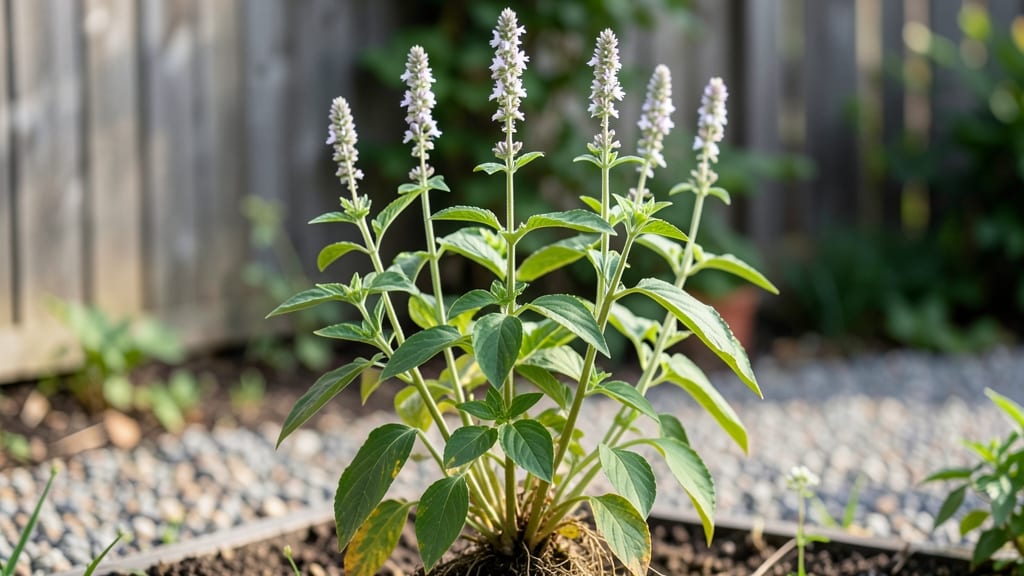
Your basil plant gone to seed doesn’t mean the harvest is over—it just means it’s time to redirect its energy. 🌱 I’ve saved dozens of bolted basil plants by cutting back stems and encouraging new leaf growth, and you can too in just minutes.
The moment you see flower buds appear, snip them off at the base. This shock to the plant signals it to focus on leaves again, not seeds. Within days, you’ll notice fresh green shoots pushing out from the stem nodes, ready to produce more flavorful leaves.
What you end up with is a second flush of basil—often even more productive than the first. The leaves stay tender, the flavor intensifies, and you avoid the bitterness that comes with fully seeded plants. It’s like hitting the reset button on your herb garden.
Works for potted plants, container gardens, or even window-sill basil. Here’s exactly how to do it—no special tools required.
📚 In This Guide
- What you need
- Instructions
- Tips and common mistakes
- Wrapping up and next steps
What you need
- ● 1-2 basil stems (4-6 inches long, with at least 2-3 leaves and a node where roots can form). Pro tip: 💡 Snip just below a leaf node for the best results!
- ● 1 small glass or jar (8-12 oz, with a narrow neck or wide-mouth—your choice!)
- ● Water (room temperature, enough to cover the stem’s bottom node by 1 inch).
- ● 1 pair of clean scissors or pruning shears (sterilized with rubbing alcohol for hygiene).
- ● 1 sunny windowsill or grow light (4-6 hours of indirect light daily).
- ○ Rooting hormone (optional, to speed up root growth—follow package instructions).
- ● Small pot or container (3-4 inches wide, with drainage holes, for transplanting later).
- ● Potting soil (well-draining, mixed with perlite or sand for aeration).
- ● Spray bottle (to mist leaves and maintain humidity).
- ● Label or marker (to track your basil’s progress—because who doesn’t love a little plant journaling?).
Step-by-Step instructions for reviving basil gone to seed
Here's how to turn those woody, seed-filled stems into fresh basil in no time.
🌿 Step 1: Harvest Healthy Stems at the Right Time
Look for stems that are still green and firm, even if they've bolted. Avoid completely brown or dried-out sections—those won't regrow. Cut just below where the stem meets the main plant, using clean scissors or pruning shears. You'll need about 4-6 inches of stem per cutting for best results.
Here's the thing—don't worry if the bottom looks woody or the top has flowers. As long as there are leaf nodes (those little bumps where leaves grow), new shoots will emerge. Strip off any yellow or damaged leaves, but leave the healthy ones attached to the stem.
💧 Step 2: Prepare the Stems for Root Growth
Fill a glass or jar with about 2 inches of water and place the cut stems in it immediately after harvesting. The cut end should be submerged, but the leaves should stay dry. Change the water every 2 days to prevent bacteria buildup—stale water will rot the stems before roots form.
Find a spot with bright, indirect light—a windowsill away from direct sun works best. You'll see tiny white roots appear within 3-7 days, depending on temperature. If your home runs cooler, it might take a few extra days. Don't rush it—roots need time to establish.
☀️ Step 3: Transfer to Soil When Roots Form
Once roots reach about 1-2 inches long, it's time to plant. Fill a small pot (at least 4 inches wide) with fresh potting mix and make a hole deep enough to bury about half the stem. Gently remove the cutting from water, shake off excess moisture, and place it in the hole.
Press the soil lightly around the stem to secure it. Water gently until moisture seeps from the bottom of the pot. Place the pot in a spot with 4-6 hours of sunlight daily. You'll notice new leaves emerging from the leaf nodes within 1-2 weeks—that's your sign it's working!
✂️ Step 4: Encourage Bushy Growth and Prevent Bolting
Once your basil starts growing new leaves, pinch off the top sets of leaves when they reach about 3 inches tall. This might seem counterintuitive, but it forces the plant to grow bushier instead of leggy. Keep the soil consistently moist but not soggy—let the top inch dry out between waterings.
Here's where it gets fun—watch the new growth. If you see flower buds forming again, snip them off immediately. Flowering signals the plant to focus on seeds, not leaves. With regular pinching and proper light, you'll have fresh basil ready for harvest in just 3-4 weeks.
Tips & tricks for reviving basil gone to seed
Here's what nobody tells you about bringing back your basil—these tricks make all the difference when those woody stems seem hopeless.
Leaf Node Focus: Those tiny bumps along the stem are where all the magic happens. In Step 1, count at least 3-4 healthy leaf nodes per cutting—this is what grows new shoots. I've revived stems with just 2 nodes, but they produced fewer leaves. More nodes mean more growth potential, so don't skimp on stem length.
Water Quality Matters: During Step 2, use room-temperature water (not cold from the tap) to avoid shocking the stems. I learned this the hard way after seeing roots fail to form when using ice-cold water. Also, add a pinch of cinnamon to the water—it's a natural antibacterial agent that helps prevent rot while those roots develop.
Light Positioning: For Step 3, rotate your pot every 2-3 days to ensure even light exposure. I placed mine on a south-facing windowsill but noticed one side stayed pale. The 4-6 hours of sunlight should be spread evenly around the pot—this prevents lopsided growth and keeps your basil bushy and balanced.
Pinching Technique: When you reach Step 4, pinch just above a leaf node where two leaves meet. This creates a branching point for new growth. I used to pinch randomly, but now I look for that exact spot—it makes a noticeable difference in how full the plant becomes. Do this every 2-3 weeks for continuous harvests.
Pro Tips for Basil Plant Gone To Seed
- Here's what nobody tells you about bringing back your basil—these tricks make all the difference when those woody stems seem hopeless.
- Leaf Node Focus: Those tiny bumps along the stem are where all the magic happens.
- Water Quality Matters: During Step 2, use room-temperature water (not cold from the tap) to avoid shocking the stems.
Frequently asked questions
about basil plants gone to seed—because even the greenest thumbs need a little help! Here are answers to the most common concerns to keep your basil thriving.Can I still use basil that’s gone to seed?
Yes! While the flavor may mellow slightly, seed-bearing basil is still edible. Harvest the leaves before they flower for the strongest flavor. If you’re growing for seed, let it mature fully—but expect a milder taste.
How long does it take for basil to go to seed?
Basil typically bolts (stems elongate) and flowers within 4–6 weeks in warm weather, especially if days are long. Once flowers appear, seeds form in 2–4 weeks. Early harvests delay bolting, but genetics and heat speed it up.
Can I prune a seeded basil plant to regrow?
Cut back the plant by ⅔ to encourage new growth. Remove flower stems first to redirect energy to leaves. While regrowth may be slower, consistent watering and pruning can revive it—though flavor may not match fresh starts.
What’s the best way to save seeds from seeded basil?
Let the flowers dry on the plant, then pluck the seed heads into a paper bag. Store in a cool, dry place for 1–2 weeks to finish drying. Test viability by planting a few—basil seeds are tiny but fast-growing!
Why did my basil go to seed so fast?
Common triggers include heat stress (above 85°F), long daylight (14+ hours), or overcrowding. Basil also bolts as it ages. To prevent it, harvest regularly, provide shade in peak sun, and use cool-season varieties like ‘Genovese’.
Wrapping up and next steps
Don’t let a basil plant gone to seed feel like the end of your herb garden! With just a few simple steps, you can revive and regrow your plant, ensuring fresh basil for months to come. Remember, even seed stalks hold potential—prune, propagate, and watch your kitchen garden thrive again.
Ready to green up your space? Grab those cuttings and get growing—your next harvest is just five minutes away! 🌱✨