
Planting
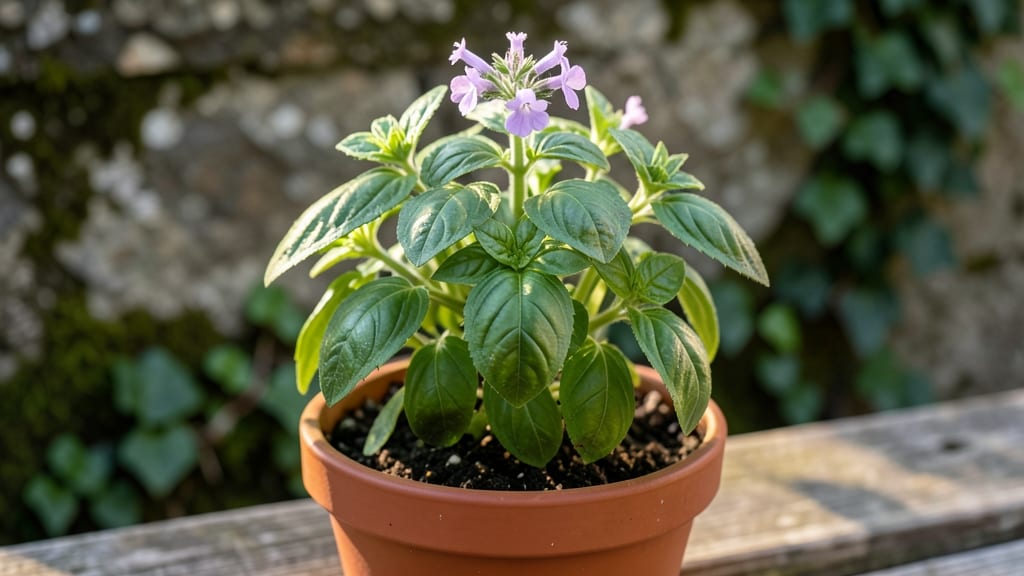
When your basil plant grows flowers, it’s actually telling you to act fast—those blooms signal the end of leafy abundance. 🌱 I’ve learned the hard way that ignoring them means bitter leaves and a plant that shifts its energy from growth to seed production.
The secret to keeping your basil lush and productive lies in understanding exactly when and how to trim those flowers before they take over.
Most gardeners don’t realize basil flowers are a natural response to stress—whether from heat, drought, or simply being left alone too long. Once those tiny white or purple buds appear, your plant’s focus shifts from leaves to reproduction.
That’s why pruning becomes critical: snipping off flower stems at the base redirects energy back to the leaves, keeping your plant vibrant and productive for weeks longer.
Here’s the game-changer: trim flowers as soon as you spot them, and you’ll see new leaf growth within 7-10 days. The key is consistency—check your plants weekly, especially in hot weather, and you’ll avoid the bitter taste that ruins pesto.
Even if you’re not harvesting yet, removing flowers prevents the plant from bolting entirely, which can kill your harvest potential.
This works for both container basil on your windowsill and garden patches—just adjust your timing based on your climate. In cooler regions, flowers might appear later in the season, but the rule stays the same: act fast to keep your basil leafy, sweet, and thriving all season long.
When Basil Blooms Too Soon
If your basil plant is producing flowers instead of lush, flavorful leaves, it’s likely responding to stress or environmental cues that trigger its natural reproductive cycle. While basil flowers are beautiful (and even edible!), they signal the plant to shift energy from leaf production to seed development.
Understanding the root causes helps you intervene before your harvest suffers.
Basil is an annual herb that thrives when young and vigorous. Once it reaches a certain age—typically 8–12 weeks—it may start flowering as part of its natural lifecycle.
This is especially true for Ocimum basilicum varieties like Genovese or Sweet Basil, which are bred for leaf production but still follow biological instincts.
- Why it happens: As days lengthen in spring/summer, basil detects longer daylight hours (14+ hours) and responds by flowering—a process called photoperiodism. Older plants also produce ethylene gas, a plant hormone that triggers blooming.
- Actionable fix:
- Harvest leaves regularly (every 2–3 weeks) to delay maturity.
- Pinch off flowers as soon as they appear to redirect energy to leaves.
- Replace mature plants with cuttings or new seedlings to restart growth.
Basil loves warmth and bright light, but extremes can push it into early flowering. Too much sun or heat waves can act as stress signals, prompting the plant to reproduce before it’s ready.
- Why it happens:
- Excessive heat (>90°F/32°C): High temperatures disrupt the balance of gibberellins (growth hormones) and florigen (flowering hormone), tipping the scale toward blooms.
- Inconsistent light: Sudden exposure to intense sunlight (e.g., moving from shade to full sun) can shock the plant into flowering.
- Actionable fix:
- Provide partial shade (3–6 hours of morning sun) during heatwaves.
- Use row covers or shade cloth (30–50% coverage) to moderate light.
- Move potted basil to a cooler, sheltered spot (like a patio with afternoon shade).
Fluctuations in water or nutrients can confuse basil’s growth cycle, causing it to bolt (flower prematurely) as a survival mechanism. Think of it like a plant throwing in the towel and saying, “I might as well make seeds!”
- Why it happens:
- Underwatering: Drought stress triggers the production of abscisic acid, a hormone that signals flowering. Basil roots may also release ethylene as a distress call.
- Overwatering: Poor drainage leads to root rot, which weakens the plant and forces it to prioritize reproduction over leaf growth.
- Nitrogen deficiency: Basil needs high nitrogen (20–30% in fertilizer) for leafy growth. Low nitrogen shifts the plant’s focus to flowering.
- Actionable fix:
- Water consistently—keep soil moist but not soggy (1 inch of water per week).
- Use a well-draining pot with holes and a lightweight potting mix (add perlite or vermiculite).
- Fertilize with a balanced liquid fertilizer (10-10-10 or 20-20-20) every 2–3 weeks.
- Pro tip: 💡 Add compost or worm castings to soil for slow-release nitrogen.
When basil plants are packed too closely together, they compete for resources—and stress. This competition can lead to stunted growth and early flowering as the plant scrambles to reproduce before it’s outcompeted.
- Why it happens:
- Limited space: Basil needs 12–18 inches of spacing between plants. Crowding increases ethylene levels from overcrowded stems, accelerating flowering.
- Poor airflow: Humid, stagnant air encourages fungal diseases (like downy mildew), which weaken the plant and trigger a survival response.
- Actionable fix:
- Thin seedlings to 6–12 inches apart when transplanting.
- Prune lower leaves to improve airflow and reduce humidity around the plant.
- Space pots 6+ inches apart to allow better circulation.
Not all basil is created equal! Some varieties are more prone to flowering early due to their genetic makeup. If you’re growing holy basil (Ocimum tenuiflorum) or thai basil (Ocimum basilicum var. thyrsiflora), expect flowers to appear sooner—they’re bred for ornamental or aromatic traits, not leaf production.
- Why it happens:
- Some basil types (like spicy globe basil) have a stronger flowering instinct and may bolt even under ideal conditions.
- Hybrid varieties (e.g., ‘Mammoth Red’) are often more stable but can still flower if stressed.
- Actionable fix:
- Choose leaf-specific varieties like Genovese, Purple Ruffles, or Spicy Globe for longer leaf production.
- If growing ornamental basil, accept the flowers—they’re edible and add flavor!
- For persistent bolting, grow in containers and replace plants annually.
Fixing Overly Floral Basil Plants
Basil plants are prized for their lush, aromatic leaves—but when they start producing flowers, those tender green leaves can turn bitter and woody. 🌸 The good news? You can easily reset your basil to focus on leafy growth with a few simple steps.
Below, we’ll tackle the most common causes of premature flowering and provide practical, no-fuss solutions to keep your basil thriving.
---
Fix: Adjust light exposure and protect from extreme heat.
Basil loves sunlight, but too much direct sun—especially in hot climates—can trigger early flowering. If your plant is wilting, leaves are curling, or flowers are popping up fast, it’s likely heat-stressed.
#### How to Reset: ✅ Move to Partial Shade – Place your basil in a spot with 4–6 hours of morning sun and dappled afternoon shade.
A sheer curtain or a patio cover works great. ✅ Use Shade Cloth – If outdoor temps exceed 90°F (32°C), drape 30–50% shade cloth over the plant to filter intense rays. ✅ Water Deeply & Frequently – Heat stress often means dry soil.
Water at the base (not the leaves) in the early morning to prevent evaporation.
💡 Prevention Tip: If growing in pots, use terracotta (breathable material) and bury the pot slightly in soil to keep roots cooler.
---
Fix: Prune aggressively to encourage bushier growth.
Basil flowers as a survival tactic when it’s too tall or leggy. If your plant has long, bare stems with tiny leaves, it’s past due for a haircut!
#### How to Trim for Leafy Growth: 🔪 Snip Above Leaf Nodes – Use clean scissors and cut just above a set of leaves (where new branches form).
Aim for ⅓ of the plant’s height for a dramatic reset. 🌱 Encourage Bushiness – After the first trim, pinch off new flower buds as they appear.
This redirects energy to leaf production. ⏰ Best Time to Prune – Do this in early morning when the plant is hydrated, and avoid pruning after sunset (it slows recovery).
💡 Pro Tip: Harvest regularly—even small leaves—to prevent the plant from bolting (flowering prematurely).
---
Fix: Fertilize and amend soil for leaf-focused growth.
Flowering can be a sign your basil is nutrient-deficient, especially if leaves are yellowing or stunted. Basil thrives in rich, well-draining soil with balanced nutrients.
#### How to Boost Leaf Production: 📊 Use a Balanced Fertilizer – Switch to a 10-10-10 or 20-20-20 liquid fertilizer (or compost tea) every 2–3 weeks during growing season. 🥗 Add Organic Matter – Mix in compost or worm castings to improve soil fertility.
Avoid heavy nitrogen (like lawn fertilizer), which can cause leaf burn. 💧 Check pH Levels – Basil prefers slightly acidic to neutral soil (6.0–7.0 pH). Test with a soil kit and adjust with lime (to raise pH) or peat moss (to lower pH) if needed.
💡 Prevention Tip: If repotting, use a fast-draining potting mix (like 50% potting soil + 50% perlite) to prevent root rot, which stresses plants.
---
Fix: Protect from drafts and sudden cold snaps.
Basil is a warm-weather lover—if temps drop below 50°F (10°C), it may bolt (flower) as a survival mechanism. Late spring frosts or fall chill can trigger this.
#### How to Keep Basil Happy: 🔥 Use Row Covers or Cloches – If frost is forecasted, cover plants with frost cloth or a clear plastic dome (remove when temps rise). 🏡 Move Indoors (Temporarily) – If night temps dip below 55°F (13°C), bring potted basil inside near a sunny window or under grow lights. 🌡️ Avoid Drafts – Keep basil away from AC vents, open windows, or garage doors, which can cause thermal shock.
💡 Prevention Tip: If growing in Zone 8 or colder, start basil after the last frost date (usually mid-May to June).
---
Fix: Repot or thin out plants for better airflow.
When basil plants are too close together, they compete for nutrients and light, leading to stress and early flowering.
#### How to Fix Crowding: 🪴 Repot if Root Bound – If roots are circling the pot or spilling out, upgrade to a slightly larger container (1–2 inches wider). 🌱 Thin Out Seedlings – If growing from seed, snip weaker stems at the base, leaving only the strongest 2–3 plants per pot. 💨 Improve Airflow – Space plants 12–18 inches apart in gardens to reduce humidity-related stress.
💡 Pro Tip: If repotting, water thoroughly before transplanting to reduce shock.
--- To permanently prevent flowering and keep your basil leafy: 1. Trim flowers & buds as soon as they appear. 2. Prune ⅓ of the plant every 4–6 weeks.
3. Keep soil consistently moist (but not soggy). 4. Fertilize regularly with balanced nutrients. 5. Protect from extreme heat or cold.
With these fixes, your basil will bounce back with tender, flavorful leaves in no time! 🍃🔥
Frequently asked questions
Why do basil plants grow flowers instead of leaves?
Basil flowers when it senses stress or reaches maturity (around 8-12 weeks). Long daylight hours, heat stress, or nutrient deficiencies trigger its natural reproductive cycle. Once flowers appear, the plant shifts energy from leaf production to seed-making, causing leaves to become bitter.
Can I still use basil leaves if flowers have already appeared?
Yes, but the flavor may be milder and slightly bitter. Remove the flowers to redirect energy back to the leaves. For best results, harvest leaves from lower stems first and avoid using leaves directly above flower buds. Young leaves tend to retain more flavor even when flowers are present.
How do I prevent basil from flowering in containers?
Keep your container basil thriving by pruning 1/3 of the plant every 4-6 weeks to encourage bushiness. Use well-draining soil with balanced fertilizer (10-10-10) and provide partial shade during heatwaves. Regular harvesting also delays flowering by preventing the plant from maturing.
Are basil flowers edible, and do they affect taste?
Yes, basil flowers are edible and add a delicate flavor to dishes! However, they don't improve leaf production. If you're growing basil for culinary use, remove flowers promptly to maintain leafy growth. The flowers themselves have a mild, slightly sweet taste similar to the leaves but with a more floral note.
What should I do if my basil plant is already heavily flowering?
Don't panic! Prune back the plant by cutting ⅔ of the height just above leaf nodes. This dramatic trim forces the plant to focus on new leaf growth. Remove all visible flowers and buds, then provide consistent care with proper watering and fertilization. Within 2-3 weeks, you should see fresh leaf growth.