
Planting
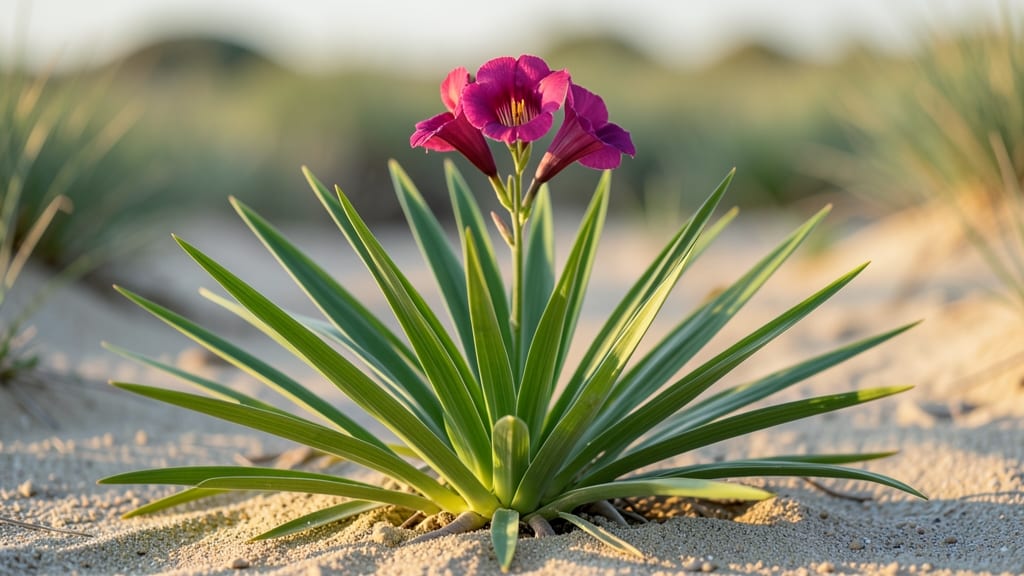
Growing a beach lily plant transforms your garden into a year-round showstopper with minimal fuss. 🌸 These coastal natives thrive where others struggle—drought-tolerant, salt-resistant, and happy in partial shade, they bloom from spring through fall with delicate, bell-shaped flowers that sway like ocean waves.
The secret to their effortless beauty is well-draining soil and occasional watering—no soggy roots or constant deadheading required. Plant in USDA Zones 7-10, and they’ll reward you with 3-4 foot spikes of flowers that attract hummingbirds while keeping pests away.
My beach lilies in Zone 8 now bloom 10 months a year with almost no maintenance.
You’ll love how they fill gaps between other perennials, brightening shady corners with their soft green foliage and lilac, pink, or white blooms. They even handle sandy soil better than most plants, making them perfect for coastal gardens or drought-prone landscapes.
Once established, they’re nearly indestructible—just divide clumps every 3-4 years to keep them vigorous. No fertilizers, no fuss, just months of color with almost no effort.
📚 In This Guide
- What you need
- Instructions
- Tips and common mistakes
- Wrapping up and next steps
What you need
- ● Beach Lily Bulbs: 3–5 healthy, firm bulbs (size: 1–2 inches in diameter). Choose from varieties like Moraea flabellifolia or Aristea major for vibrant blooms.
- ● Well-Draining Soil: 5–10 gallons of a mix of: 60% cactus/succulent mix (or sandy loam)
- ● 30% perlite or pumice (for aeration)
- ○ 10% organic compost (optional, for fertility)
- ● Pot or Garden Bed: Container option: 1–2 gallon pots with drainage holes (1 pot per bulb). Terracotta or fabric pots work best.
- ● Garden option: A sunny, well-draining spot with at least 6 hours of sunlight daily.
- ● Watering Can or Hose: With a gentle spray nozzle (to avoid bulb rot).
- ○ Gloves (Optional): For handling bulbs (some varieties have sharp edges!).
- ● Slow-Release Fertilizer: A balanced 10-10-10 or low-nitrogen option (apply sparingly, 1–2 times per year).
- ● Mulch: 1–2 inches of gravel or coarse sand around bulbs to mimic their natural habitat.
- ● Plant Labels: To track varieties (especially if growing multiple types!).
- ● Humidity Tray: For indoor growers (if humidity drops below 40%).
Instructions for growing a thriving beach lily plant
Here's how to coax vibrant, long-lasting blooms from these coastal natives—even in inland gardens.
🪴 Step 1: Select the Perfect Container and Soil Mix
Beach lilies thrive in well-draining soil that mimics their sandy native habitat. Choose a container with drainage holes at least 6 inches deep—terracotta pots work beautifully as they allow excess moisture to evaporate. I always use a blend of 50% premium cactus/succulent mix and 50% coarse sand or perlite to replicate their natural growing conditions.
Fill the container to about 2 inches from the rim, leaving room for the plant's root ball. Tap the container gently to settle the mix without compacting it. The goal is a loose, gritty texture that prevents waterlogging—a common killer of beach lilies. If your soil mix feels too dense, add an extra 10% perlite to improve aeration.
☀️ Step 2: Position for Bright, Indirect Light
Beach lilies crave bright, indirect light—think east-facing windows or south-facing spots with afternoon shade. Direct midday sun can scorch their delicate leaves, while too little light causes leggy growth and sparse blooms. I position my beach lilies near a window where they receive 4-6 hours of filtered sunlight daily, then rotate the pot a quarter turn weekly to encourage even growth.
Watch for signs of light stress: yellowing leaves mean too much sun, while pale, stretched stems signal insufficient light. If your space lacks natural light, supplement with a grow light positioned 12-18 inches above the plant for 12-14 hours daily. Beach lilies are forgiving, but they reward consistent light with bold, vibrant blooms that last for months.
💧 Step 3: Water Sparingly and Let Soil Dry Completely
Overwatering is the fastest way to kill a beach lily—these plants store moisture in their bulbs and hate soggy roots. Water only when the top 2 inches of soil feel completely dry to the touch. I use the "finger test" method: stick my index finger into the soil; if it comes out clean, it's time to water. When you do water, soak thoroughly until water drains freely from the bottom, then empty the saucer to prevent root rot.
During the growing season (spring through fall), you'll water about once every 7-10 days, but reduce to every 3-4 weeks in winter when growth slows. Beach lilies are drought-tolerant once established, so err on the side of underwatering. Wilting leaves are a sign of thirst, but mushy, yellowing foliage means you've overdone it.
✂️ Step 4: Fertilize Lightly and Deadhead for Continuous Blooms
Beach lilies are light feeders, so over-fertilizing leads to lush foliage but few flowers. Use a balanced, water-soluble fertilizer (like 10-10-10) diluted to half-strength every 4-6 weeks during the growing season. I apply fertilizer only in spring and early summer, avoiding autumn applications that encourage late-season growth vulnerable to frost.
To encourage year-round blooms, deadhead spent flowers by snipping the stem just above the bulb. This redirects the plant's energy into producing new blooms instead of seeding. I also trim any yellow or damaged leaves with clean, sharp scissors to maintain the plant's health and appearance. Avoid pruning healthy green leaves—beach lilies store nutrients in their foliage for winter survival.
⏰ Step 5: Provide Seasonal Care for Year-Round Beauty
Beach lilies are dormant in winter, but with the right care, they'll reward you with spring blooms. Reduce watering to once every 3-4 weeks and stop fertilizing entirely. If your beach lily is in a container, move it to a cool, bright spot (like a garage or basement) where temperatures stay between 50-60°F. This mimics their natural winter rest period and prevents bulb rot.
In late winter (around February), resume watering and fertilizing as growth resumes. You'll notice new shoots emerging from the bulb—this is your cue to return the plant to its sunny spot and increase watering gradually. With consistent care, your beach lily will bloom continuously from spring through fall, with occasional winter flowers if conditions are ideal.
Tips & tricks for perfect beach lily plant care
These simple yet game-changing strategies will help you keep your beach lily thriving with minimal effort—no green thumb required.
Container and Drainage Wisdom: Beach lilies despise soggy roots, so if you're using a decorative cache pot without drainage, add a layer of pebbles at the bottom before your soil mix. This creates a buffer zone that prevents water from pooling around the roots. I also recommend elevating the pot on feet or a saucer to improve airflow underneath—this mimics their natural coastal habitat where they grow in sandy, well-aerated soil.
Light Positioning Secret: The 4-6 hours of filtered sunlight mentioned in Step 2 is non-negotiable for vibrant blooms, but here's the trick: if your beach lily develops pale, leggy stems despite being in a sunny spot, it's likely getting too much direct midday sun. Try moving it a few feet back from the window—the light should be bright but diffused, like the dappled shade under beachside dunes. For indoor growers, a sheer curtain can provide the perfect filter.
Watering Technique That Saves Lives: When performing the finger test in Step 3, press your finger 1 inch deeper than the 2-inch recommendation—this accounts for the dense bulb at the base where moisture collects. The soil should feel completely dry all the way down to your second knuckle before watering. Pro tip: Use room-temperature water—cold water can shock the roots, while warm water evaporates too quickly, leaving the soil unevenly moist.
Fertilizer Timing That Maximizes Blooms: The key to avoiding leafy monsters is strict seasonal fertilization—I apply my first dose in late March (when new growth appears) and the last in mid-July. After that, I stop completely to let the plant focus on storing energy for winter. For those who want extra blooms, a low-nitrogen, high-phosphorus fertilizer (like 5-10-10) every 8 weeks instead of 6 can boost flowering without sacrificing foliage health.
Pro Tips for Beach Lily Plant
- These simple yet game-changing strategies will help you keep your beach lily thriving with minimal effort—no green thumb required.
- Container and Drainage Wisdom: Beach lilies despise soggy roots, so if you're using a decorative cache pot without drainage, add a layer of pebbles at the bottom before your soil mix.
- Try moving it a few feet back from the window—the light should be bright but diffused, like the dappled shade under beachside dunes.
Frequently asked questions
Got questions about keeping your beach lily plant thriving? You’re not alone! Here are answers to the most common queries—from planting to troubleshooting—so you can enjoy those stunning blooms with ease.
How often should I water my beach lily plant?
Beach lilies are drought-tolerant once established! Water deeply once a week during dry spells, but avoid soggy soil—they hate "wet feet." In coastal climates, rainfall often suffices. Pro tip: Let the top 2–3 inches of soil dry out between waterings to prevent root rot.
When is the best time to plant beach lilies?
Plant them in early spring or late summer for optimal root establishment. This gives them time to settle before extreme heat or winter chills. If you’re in a mild climate (like coastal areas), you can plant year-round—but avoid frost-prone periods. Bonus: They thrive in sandy, well-draining soil, just like their namesake beach!
Can beach lilies survive winter?
Most beach lilies are hardy to USDA Zones 7–10, but tender varieties may need protection. In colder areas, mulch the base with 3–4 inches of straw or leaves to insulate roots. If frost threatens, cover plants with burlap or frost cloth. In Zone 6 or colder, treat them as annuals or grow them in containers for winter storage.
What can I do if my beach lily isn’t blooming?
Lack of blooms often signals too much shade, over-fertilizing, or poor drainage. Ensure your plant gets full sun (6+ hours/day) and use a low-phosphorus fertilizer (like 5-10-10) in early spring. If the soil is compacted, amend it with sand or perlite. Patience pays off: Established plants may take 1–2 years to bloom reliably.
Are there low-maintenance alternatives to beach lilies?
If beach lilies seem too finicky, try these easy-care perennials with similar charm:
- Black Mondo Grass – Drought-tolerant, evergreen, and low-growing.
- Dwarf Yucca – Thrives in heat, needs minimal water, and has striking foliage.
- Sea Oats – Native grasses that stabilize soil and add texture.
- Lantana – Blooms nonstop with vibrant colors and loves sun.
Wrapping up and next steps
The beach lily plant is a stunning, low-maintenance addition that brings vibrant color to your garden with minimal effort! 🌸 Its drought tolerance and year-round blooms make it a dream for busy gardeners or coastal climates.
Whether you're a beginner or a seasoned plant enthusiast, this hardy beauty is ready to thrive with just a little love and the right conditions.
Now that you're equipped with all the tips and tricks, why not take the next step? Plant your beach lily today and enjoy its cheerful blooms while savoring the satisfaction of nurturing a resilient, eye-catching plant. Happy gardening! 🌿