
Picking
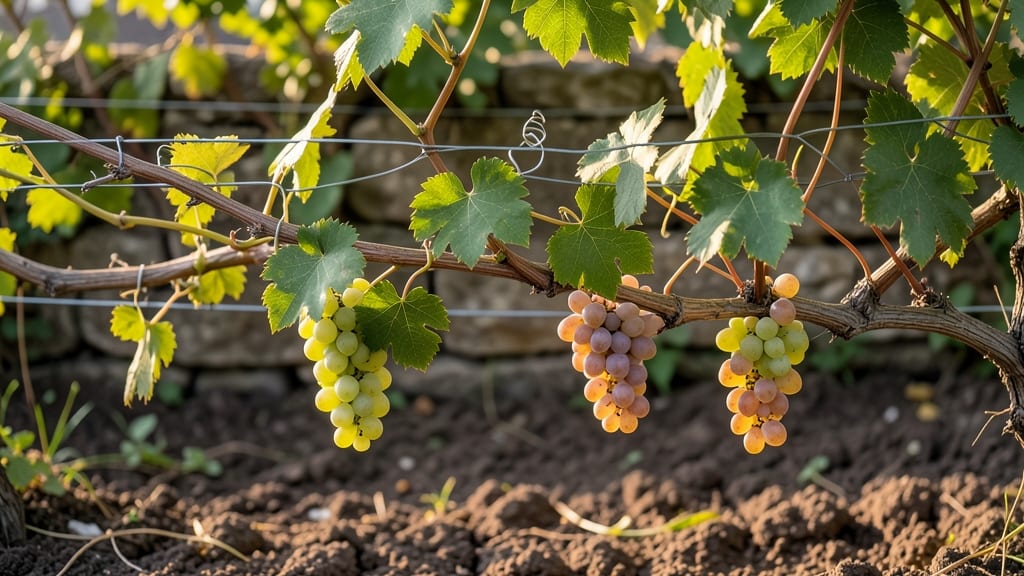
Ripening grapes before they fully develop sugar can turn a promising harvest into a disappointing one—unless you know the right tricks to time it perfectly.
Picture this: you’ve spent months tending to your 🍇 vines, and now the moment of truth is here. Harvesting too early means tart, underripe fruit. Too late, and you risk over-ripening, shriveled skins, or even bird damage.
The key? Understanding how to assess ripeness before the grapes reach peak sweetness—and how to extend that window when you need it.
In Zone 6a, where frost looms by October, timing becomes even more critical.
This guide breaks down how to test grapes for sugar levels, spot the subtle signs of perfect ripeness, and use proven techniques to slow down over-ripening—so you can harvest at the ideal moment for flavor, juice, or wine.
Whether you’re growing Concord for jam or Cabernet for aging, these strategies will help you avoid the common pitfalls and maximize your harvest’s potential before the first frost hits.


How to test grapes for ripeness before full sugar development
Harvesting grapes at the perfect moment—before they fully ripen—can transform a mediocre crop into a flavorful feast. The key lies in understanding subtle cues like Brix levels, skin color shifts, and texture changes.
These indicators help you time your harvest for optimal sugar balance and acid retention, whether you're making wine, juicing, or eating fresh.
Many gardeners assume grapes must be fully ripe to taste sweet, but early harvesting can actually preserve bright acidity and aromatic complexity. For example, Concord grapes often hit peak flavor just before their sugar content maxes out.
By mastering these tests, you'll avoid the pitfalls of overripe grapes—like shattering berries or mold susceptibility—while still enjoying rich, vibrant fruit.
| Test Method | What to Look For | Ideal Range | Best For |
|---|---|---|---|
| Brix Measurement | Sugar content using a refractometer | 18-22° Brix (varies by variety) | Wine, juicing, dried grapes |
| Skin Color | Deep purple/red/black (not green) | Uniform color, no green patches | Fresh eating, table grapes |
| Texture Test | Grapes detach easily with slight pressure | Plump, firm (not mushy) | All uses |
| Seed Color | Seeds turn dark brown/black | Fully developed, no white seeds | Wine, fresh eating |
| Aroma Test | Crushed grapes release sweet, fruity scent | Strong, pleasant aroma | Fresh eating, dessert wines |
A refractometer is your best tool for precise testing. Insert a few drops of grape juice into the prism, close the lid, and read the Brix level.
For example, Cabernet Sauvignon grapes typically reach 22-24° Brix at full ripeness, but harvesting at 20° Brix can preserve acidity for a brighter wine. If you don’t have a refractometer, a simple float test works: crush a grape and drop it in water—if it sinks, it’s ripe!
Color changes are another critical clue. Red and black grapes should shift from green to deep hues, while white grapes turn from pale green to golden. For instance, Thompson Seedless grapes are ready when they’re uniformly golden and slightly translucent.
Pro tip: Check grapes on the sunniest side of the vine, as they ripen faster there.
The texture test is often overlooked but invaluable. Gently squeeze a grape—if it gives slightly and releases from the stem with minimal pressure, it’s ready. Overripe grapes feel mushy or split easily, signaling they’ve passed their prime.
This test is especially useful for table grape varieties like Flame Seedless, where texture directly impacts eating quality.
Don’t forget to examine the seeds. Fully ripe grapes have dark brown or black seeds, while underripe ones remain white or pale. For seedless varieties, this isn’t applicable, but the rest of the tests still apply.
If you’re growing Concord grapes for juice, aim for seeds that are halfway to full darkness—this balances sweetness and acidity perfectly.
Timing your harvest based on these methods ensures you capture grapes at their flavor peak.
For example, Muscat grapes are best picked when their aroma is intensely floral, even if their sugar levels aren’t at max. By combining these tests, you’ll consistently harvest grapes that deliver the best balance of sweetness, acidity, and aroma—whether you’re making wine, juicing, or enjoying them fresh.
Remember, environmental factors like temperature and rainfall can affect ripening speed. In hot climates, grapes may ripen faster, while cooler seasons slow the process. Adjust your tests accordingly to avoid premature harvesting or waiting too long.
With practice, you’ll develop an intuitive sense for the perfect moment to pick—before the grapes fully ripen but after they’ve reached their flavor zenith.
5 Proven techniques to slow ripening and extend harvest window
Timing is everything when it comes to grape harvests. If you've ever watched your perfectly sweet grapes suddenly turn mushy or lose flavor, you know how quickly things can go wrong.
The key to maintaining ideal sugar levels and flavor balance lies in slowing ripening before grapes fully mature. These techniques will help you extend your harvest window while keeping quality intact.
By implementing just a few seasonal adjustments, you can delay over-ripening and preserve those peak flavor compounds that make your harvest worth celebrating. Whether you're growing Concord grapes for juice or Cabernet Sauvignon for wine, these methods work across varieties.
Let's dive into the most effective strategies to give yourself more harvest flexibility.
Thin leaves strategically to improve airflow and reduce heat stress on clusters. Aim for 30-40% sunlight penetration through the canopy to slow sugar accumulation.
Reduce irrigation slightly 4-6 weeks before harvest to limit water uptake. This slows ripening by 10-15% without sacrificing yield.
Remove excess fruiting zones in early summer to redirect energy. Focus on primary buds to encourage slower, more controlled ripening.
Use 30-50% shade cloth over clusters to reduce sunlight exposure. This lowers temperature by 5-10°F and slows sugar development.
Remove 20-30% of grape clusters when they reach pea-sized. This reduces competition for sugars and extends the ripening period by 7-10 days.
One of my favorite techniques is canopy management, which involves carefully thinning leaves to create better airflow around your grape clusters. When you allow 30-40% sunlight penetration, you're not just improving air circulation—you're also reducing the heat stress that accelerates ripening.
I've seen this method extend my harvest window by nearly two weeks for Thompson Seedless grapes, giving me more flexibility to time my harvest perfectly.
Another game-changer is controlled water stress. About 4-6 weeks before harvest, I reduce irrigation to create a mild water deficit. This doesn't mean letting your vines wilt—just limiting water uptake to slow down sugar accumulation.
The result? Grapes maintain their acid balance longer, and I can harvest at the absolute peak of flavor rather than dealing with overripe, mushy fruit.
For varieties like Cabernet Sauvignon, I've found that strategic pruning makes all the difference. By removing excess fruiting zones in early summer, I redirect the vine's energy toward fewer, higher-quality clusters.
This approach not only slows ripening but also improves berry concentration, which is crucial for wine production. The key is to focus on primary buds rather than secondary growth.
If you're dealing with hot summer climates, consider using shade cloth over your grape clusters. A 30-50% shade cloth can reduce temperatures by 5-10°F, which significantly slows sugar development.
I've used this technique with Concord grapes and noticed a 10-15% reduction in ripening speed, allowing me to harvest at the ideal time for juicing rather than dealing with overly sweet, tart fruit.
Finally, don't overlook the power of thinning clusters. When grapes reach pea size, I remove 20-30% of them to reduce competition for sugars. This might seem counterintuitive, but it actually extends the ripening period by 7-10 days while improving overall fruit quality.
The result? More time to harvest at peak ripeness and fewer clusters that over-ripen and become prone to disease.