
Plants
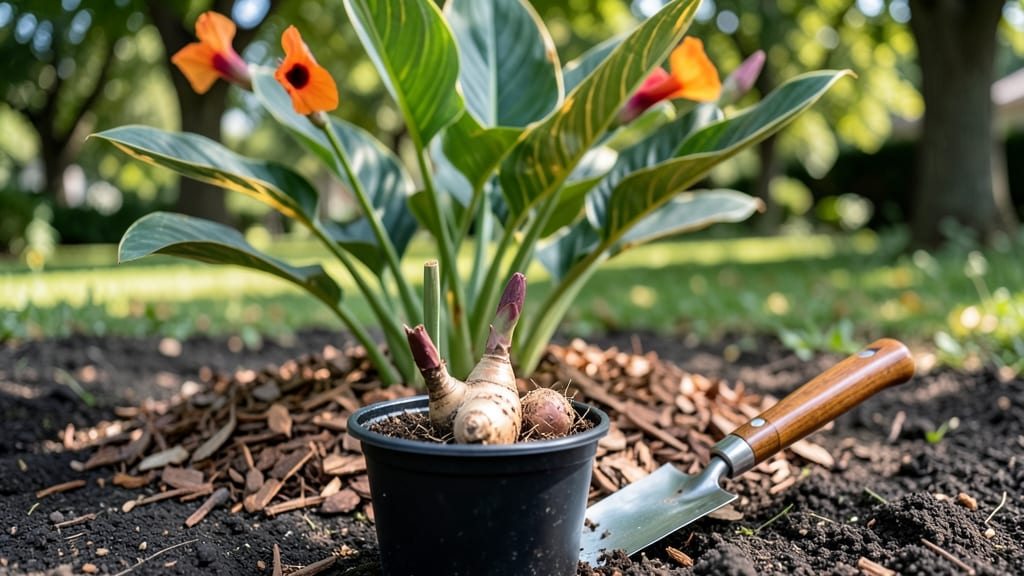
The best place to plant canna lilies is in full sun with well-draining, fertile soil rich in organic matter. These tropical perennials thrive in warm climates, tolerating heat but requiring protection from strong winds and frost. Plant in spring after the last frost for optimal growth and vibrant blooms.
Canna lilies love basking in sunlight for at least 6-8 hours daily, making southern-facing garden spots ideal. 🌞 Their tropical roots demand well-draining soil—think sandy loam mixed with compost—to prevent soggy roots that invite rot.
I've seen these bold beauties explode into color when planted in USDA zones 8-11, where summer temps stay between 70-90°F. Even in cooler zones, they'll reward you with dramatic foliage if you treat them as annuals or dig tubers before frost.
For container growing, choose pots with drainage holes and fill them with a mix of 50% potting soil and 50% perlite to mimic their native moisture-loving yet well-aerated conditions. 🌱 The key is balancing moisture retention with airflow—canna lilies hate standing water but need consistent dampness.
When planting in garden beds, space tubers 12-18 inches apart to give their broad leaves room to spread. Pro tip: Add a handful of bone meal at planting time for an extra phosphorus boost that fuels those showstopping blooms.
💡 In This Article
- Sunlight and Climate Requirements for Canna Lily Growth
- Soil Preparation and Planting Techniques for Thriving Canna Lilies
Sunlight and climate requirements for canna lily growth
Canna lilies are sun worshippers—think of them as tropical divas that demand at least 6-8 hours of direct sunlight daily to fuel their dramatic foliage and vibrant blooms.
The ideal spot mimics their native habitats in Central and South America, where they bask under intense sunlight. 🌞 What's happening here is photosynthesis on steroids: these plants convert sunlight into energy at a rapid rate, which is why you'll see their broad leaves unfurl into massive, glossy shields.
Without sufficient light, canna lilies become leggy and sparse in blooms, as their energy shifts from producing flowers to reaching for any available light source.
The temperature sweet spot for canna lilies sits between 70-90°F, with anything below 50°F triggering dormancy. This tropical nature explains why they thrive in USDA zones 8-11—areas where summer heat is consistent and winters are mild.
In cooler climates (zones 7 and below), gardeners treat them as annuals or dig up the tubers before frost to overwinter indoors. The science behind this involves their starch-rich tubers, which act like natural storage units—converting sunlight energy into stored nutrients during warm months to fuel next year's growth.
Humidity plays a surprising role too. Canna lilies love 50-70% relative humidity, which explains why they often struggle in arid regions unless given extra care.
Low humidity causes their leaf edges to brown—a classic sign of transpiration stress. 💧 In dry climates, I recommend grouping canna lilies with other moisture-loving plants or using mulch to retain soil moisture. The trade-off?
They need excellent drainage to prevent root rot, which is why sandy loam mixed with compost creates the perfect balance between moisture retention and aeration.
Wind becomes the uninvited guest that can damage these delicate tropical plants. Their large leaves act like sails, catching even gentle breezes and causing them to tear or snap. This is why I always plant canna lilies near protective barriers like fences or walls in exposed areas.
The good news? Once established, their robust root systems help stabilize them against moderate winds. For container growers, placing pots against walls or under eaves provides that same protective shelter while maximizing sunlight exposure.
What most gardeners don't realize is how canna lilies use sunlight strategically: their leaves orient themselves to capture maximum light throughout the day, a process called heliotropism.
This explains why they often face east in the morning and west in the afternoon. 🌅 In garden beds, this natural movement means you'll get even light distribution across all plants, preventing the "tall and lanky" look that comes from uneven light exposure.
For containers, rotating pots every few weeks ensures all sides receive equal sunlight, promoting bushier growth.
Seasonal considerations matter too. In their native tropical environments, canna lilies experience consistent warm temperatures year-round. When planted in temperate zones, they enter dormancy as temperatures drop below 50°F, which is why spring planting (after last frost) gives them the full growing season to establish before winter arrives.
The key is timing: planting too early in cool zones risks stunted growth, while waiting too long may not give the tubers enough time to develop before frost hits.