
Planting
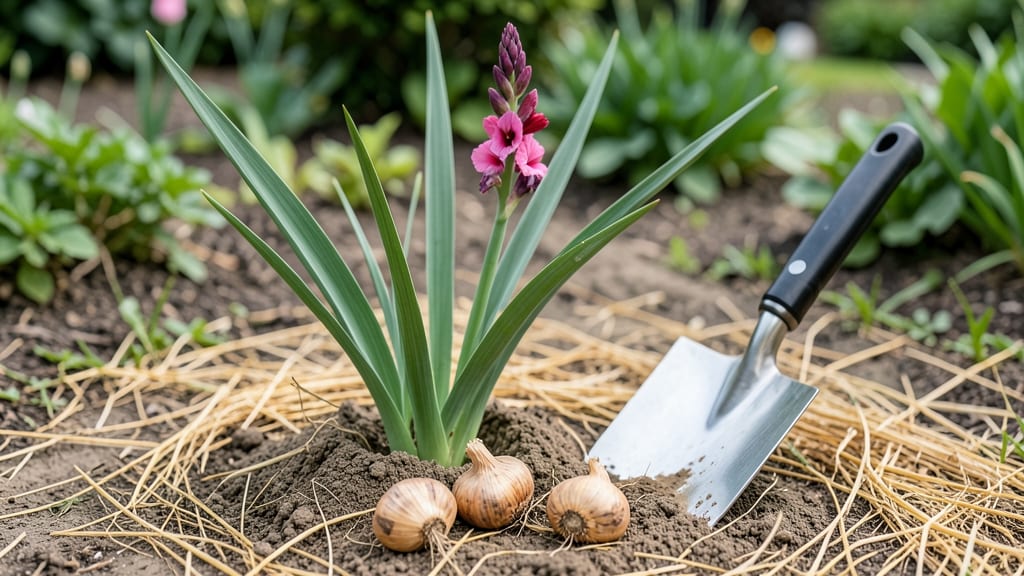
The best place to plant gladiolus 🌸 is in a full-sun spot where they can soak up at least 6 hours of direct light daily—think of it as their VIP section in the garden.
Want to grow gladiolus blooms that reach sky-high with vibrant colors? The secret starts with choosing the perfect sunny spot—because these dramatic flowers demand more than just good intentions.
Too little light, and you’ll end up with spindly stems and sad, underwhelming blooms. But give them the right conditions, and you’ll reward yourself with towering spikes that turn heads all summer long.
Below, I’ll walk you through the exact sunlight, soil, and spacing tips to turn your garden into a gladiolus paradise—no guesswork, just stunning results.

Optimal sunlight requirements for gladiolus growth
Gladiolus flowers thrive under full-sun exposure, demanding at least 6 hours of direct sunlight daily to produce their iconic towering spikes. Without sufficient light, stems grow weak, blooms shrink, and colors fade—leaving you with underwhelming gladiolus blooms instead of showstoppers.
The key isn't just any sunny spot, but one that balances intensity with heat tolerance to prevent stress during peak summer months.
In my USDA Zone 6a garden, I’ve learned that gladiolus perform best when planted in locations with morning sun and afternoon shade during extreme heatwaves. This seasonal adjustment prevents leaf scorch while maintaining the energy needed for robust growth.
Urban gardeners often face microclimate challenges—like reflective heat from pavement—that can push sunlight requirements even higher.
Microclimate matters: Rural areas with open fields provide ideal conditions, while city gardens may need protective barriers or reflective surfaces to maximize sunlight. Always observe your gladiolus’ leaf color—healthy foliage stays deep green, while yellowing signals insufficient light or overheating.
| Sunlight Requirement | Best Location | Seasonal Adjustments | Microclimate Notes |
|---|---|---|---|
| 6+ hours direct sun | South-facing beds, raised beds | Morning sun + afternoon shade in heatwaves | Urban: Use reflective mulch; Rural: Open fields ideal |
| 5-6 hours (minimum) | East/west-facing borders | Avoid midday shade; supplement with grow lights if needed | Containers need full sun; rotate weekly |
| <4 hours (avoid) | North-facing or shaded areas | Stunted growth; weak stems | Not recommended; relocate or remove |
When planting gladiolus corms, prioritize locations with unobstructed sunlight from early spring through early fall. My garden’s south-facing raised beds deliver the best results, as the elevated design reduces soil compaction and improves airflow—critical for preventing fungal issues in dense sunlight.
If your yard lacks ideal spots, consider container gardening with reflective surfaces nearby to amplify light exposure.
For heat-sensitive varieties, like the Picotee series, I’ve found that providing dappled shade during the hottest afternoon hours (2 PM–5 PM) extends the blooming season by 2–3 weeks.
This works especially well in Zone 7b+ climates, where temperatures frequently exceed 90°F. Use lightweight shade cloth (30–50% coverage) to filter sunlight without blocking airflow.
Urban gardeners often struggle with heat islands created by pavement and buildings. To mitigate this, I plant gladiolus near light-colored mulch or gravel paths, which reflect excess heat upward. Additionally, positioning them slightly away from west-facing walls prevents afternoon heat buildup, which can stress the plants before they’ve finished blooming.
Seasonal adjustments are key: In spring, gladiolus benefit from direct morning sunlight to warm the soil and encourage sprouting. By summer, I shift focus to evening watering to cool the roots while maintaining full sun exposure.
This dual approach ensures consistent blooming from July through September, regardless of local climate variations.
Pro tip: Use a sunlight tracker for 3–5 days to map your garden’s light patterns. Mark areas with 6+ hours of sun in chalk or flags—these are your gladiolus power zones.
If your yard has partial shade, opt for shorter varieties like Gladiolus nanus, which tolerate slightly less light while still delivering vibrant blooms.
Remember, gladiolus are light-hungry divas—they’ll reward you with 5-foot-tall spikes of color if you give them the right stage (sunlight) and backstage (soil, water). Start with the sunniest spot in your garden, then fine-tune based on your local microclimate.
Your gladiolus will thank you with blooms that turn heads all season long. 🌸☀️
Soil conditions and location tips for thriving gladiolus
Gladiolus corms thrive when planted in the right soil conditions—think loose, well-draining soil that mimics their natural habitat in open meadows. Heavy clay or compacted soil can suffocate roots and lead to bulb rot, so amending with compost or sand is often necessary.
The key is balancing moisture retention with aeration to keep those towering stems sturdy and blooms vibrant.
For optimal growth, aim for a neutral to slightly acidic pH between 6.0 and 7.0. Test your soil before planting—gladiolus are sensitive to extremes, and a pH outside this range can stunt flowering.
In coastal areas, where soil may be naturally salty, flush the planting area with fresh water to reduce sodium buildup that can harm corms.
⚠️ Warning: Avoid These Planting Pitfalls
Planting gladiolus in low-lying areas where water pools is a recipe for disaster—bulb rot will set in within weeks. Even in desert climates, where water is scarce, ensure the soil isn’t rock-hard or water-repellent. Raised beds or mounds are ideal for coastal gardens or areas with poor drainage, giving corms the elevated, dry environment they crave.
🌱 Pro Tip: Mix in perlite or coarse sand to improve drainage instantly.
When choosing a location, prioritize open, sunny spots with 6+ hours of direct sunlight daily. While gladiolus can tolerate partial shade in hotter climates (like the desert Southwest), their height potential suffers without full sun.
In coastal regions, where humidity is high, space plants farther apart to improve airflow and reduce fungal risks.
Raised beds offer a game-changing advantage for gladiolus, especially in urban gardens with compacted soil. The elevated soil warms faster in spring, giving you a head start on the growing season.
Fill raised beds with a mix of 50% garden soil, 30% compost, and 20% perlite for the perfect light, airy medium. This setup also makes it easier to control moisture levels.
In desert climates, where soil can be alkaline, add sulfur or peat moss to lower pH naturally. Mulch with straw or wood chips to retain moisture during scorching days, but avoid organic mulch that stays wet—it invites rot.
For coastal gardens, opt for gravel mulch to improve drainage and reduce salt buildup around corms.
Remember, gladiolus are heavy feeders—they reward the right conditions with 4-5 foot stems and bold, show-stopping blooms. Whether you’re in a humid coastal zone or a dry desert landscape, the secret to success lies in well-draining soil, proper elevation, and sun-soaked locations.
With these tips, your gladiolus will reach their full height potential while staying healthy and rot-free.