
Planting
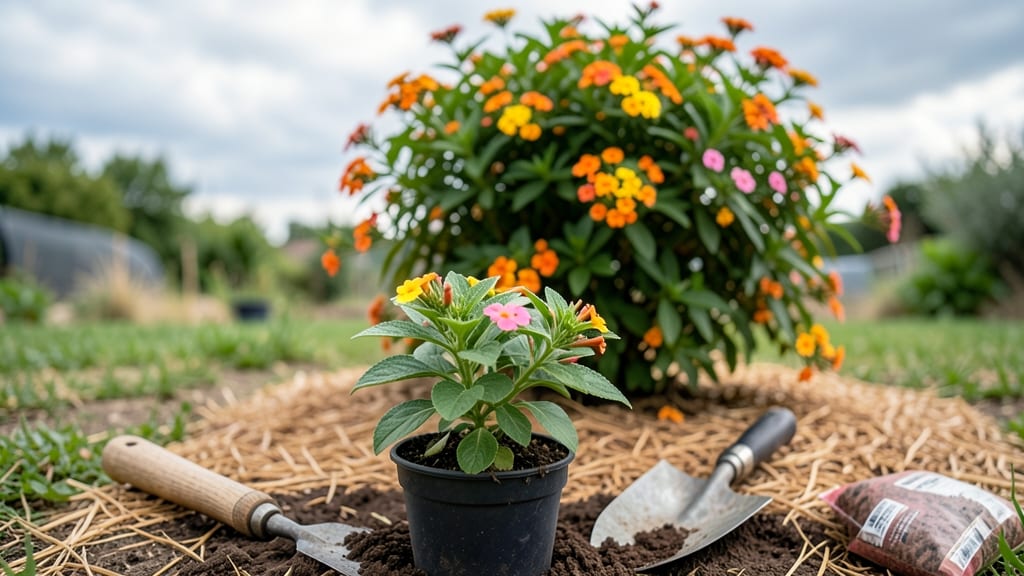
Planting lantana in the right spot turns it from a decent shrub into a showstopper that blooms nonstop from spring to frost. 🌿 The best place for lantana isn't just sunny—it’s where heat, dry soil, and good airflow meet, like a hot, breezy border or a container on your patio.
I learned this the hard way when my first lantana petered out in soggy soil, but once I moved it to a south-facing spot, it exploded with color.
This plant thrives in full sun to partial shade, but the more sun it gets, the more vibrant those purple, yellow, or orange blooms become. Well-draining soil is non-negotiable—lantana hates wet feet—and a spot with afternoon shade works in hot climates like Arizona or Texas.
For cooler areas, a sheltered, sunny spot keeps it happy without burning the leaves. By summer’s end, you’ll have a lush, fragrant shrub that hummingbirds can’t resist, plus zero fuss from pests or diseases. It’s perfect for borders, hanging baskets, or even as a drought-resistant ground cover.
The key is matching its love of heat and dryness to where your yard gets the most sun. Works in containers, garden beds, or even as a living fence—just avoid low spots where water pools. Once established, it’s nearly indestructible, making it the ultimate low-maintenance star for sunny spots.
📚 In This Guide
- What you need
- Instructions
- Tips and common mistakes
- Wrapping up and next steps
What you need
- ● Lantana plants: 1–3 healthy nursery-grown plants (depending on desired coverage). Choose Lantana camara (hardy annual) or Lantana montevidensis (perennial in warmer zones).
- ● Well-draining potting mix: 5–10 gallons (for containers) or 2–3 cubic yards (for in-ground planting). Mix with perlite or coarse sand (20–30%) to improve drainage.
- ● Organic compost: 1–2 cups per planting hole (to enrich soil fertility). Look for balanced compost (e.g., 5-5-5 NPK ratio).
- ● Mulch: 2–3 inches of wood chips or pine straw (to retain moisture and suppress weeds). Avoid fresh mulch near stems.
- ● Garden trowel or hand shovel: For digging small holes (6–8 inches deep).
- ● Garden gloves: A pair to protect hands from thorns (some varieties have them!).
- ● Watering can or hose with nozzle: For gentle watering (lantana hates soggy roots!).
- ○ Pruning shears (optional): For trimming leggy stems post-planting or shaping the plant.
- ○ Soil pH test kit (optional): To check soil acidity (lantana prefers 6.0–7.5 pH).
- ● Sunlight assessment: Confirm your chosen spot gets 6+ hours of direct sun daily (lantana’s happy place!). Use a sunlight tracker app if unsure.
- ● Drainage check: Ensure no standing water after rain (lantana hates wet feet!). Test by digging a hole and filling it with water—if it drains in <1 hour, you’re good.
- ● Local climate knowledge: Verify your USDA Hardiness Zone (lantana thrives in Zones 8–11; cooler zones need container-growing).
Step-by-Step guide to choosing the best spot for thriving lantana
Lantana loves to show off—here’s how to give it the perfect stage for maximum blooms and vigor.
☀️ Step 1: Prioritize Full Sun for Peak Blooms
Lantana thrives in 6-8 hours of direct sunlight daily, making it a star performer in sunny gardens. I plant mine where morning sun warms the soil and afternoon rays keep blooms coming—think south-facing patios, foundation beds, or open landscape areas. Watch for vibrant color shifts: plants in full sun produce bold, continuous blooms in shades of yellow, orange, and pink.
If your yard has limited sun, choose the sunniest corner available. Even 4-5 hours of sun will work, but expect fewer flowers and leggier growth. I’ve seen lantana struggle in deep shade—leaves yellow and stems stretch desperately toward any light source. The key is morning sun exposure, which dries dew quickly and prevents fungal issues.
🪴 Step 2: Select Well-Draining Soil and Sheltered Locations
Lantana hates soggy feet—well-draining soil is non-negotiable. Amend heavy clay with 3-4 inches of compost or sand to improve drainage. I test soil by squeezing a handful: if it holds shape like a brick, it’s too dense. Lantana’s roots need air, not waterlogged conditions, especially in winter.
Choose spots with shelter from strong winds—lantana’s delicate blooms can tear in gusts. Near fences or walls provides natural windbreaks while maximizing sun exposure. In containers, ensure pots have drainage holes and use a cactus/succulent mix to replicate its natural dry-loving habitat. Containers dry out faster, so I plant mine in 6-8 inch pots for better root aeration.
✂️ Step 3: Adjust for Climate Zones and Seasonal Shifts
In USDA Zones 8-11, lantana thrives year-round outdoors. I plant mine in spring after last frost (around March-April in most regions) for a head start. In cooler zones (7 and below), treat it as an annual or overwinter indoors—lantana’s roots freeze easily once temperatures drop below 20°F. Bring potted plants to a bright, cool indoor spot (like a sunroom) before frost hits.
For humid climates, space plants 18-24 inches apart to improve airflow and reduce fungal diseases. In dry climates, group lantana with drought-tolerant companions like succulents or lavender. Mulch with 2-3 inches of gravel or bark to retain moisture while preventing soil compaction. The goal is consistent moisture without waterlogging—lantana’s roots should dry slightly between waterings.
🌿 Step 4: Test and Refine for Long-Term Success
After planting, observe for 2 weeks—this is your trial period. If leaves wilt in heat, the spot lacks drainage. If blooms fade quickly, it needs more sun. I adjust by moving containers to sunnier spots or amending soil with perlite if drainage is poor. Lantana’s resilience shines once it finds the right balance: bright, dry, and breezy.
Here’s the thing—lantana adapts surprisingly well. I’ve seen it thrive in partial shade (like under high-canopy trees) if given morning sun, though blooms will be less prolific. The best spots? South-facing slopes, raised beds, or container gardens where roots stay dry and warm. Once established, lantana becomes nearly indestructible—just keep it happy with minimal water and maximum light!
Tips & tricks for perfect lantana placement
Here's what nobody tells you about making lantana absolutely thrive in your garden—these are the secrets that turn good growth into show-stopping blooms.
Sunlight Strategy: When choosing your spot, focus on the morning sun exposure mentioned in Step 1. The key is to position lantana where it gets those warm morning rays first—this helps dry dew quickly and prevents fungal issues. I've seen lantana in afternoon shade only struggle with weak stems and sparse blooms. For containers, rotate them weekly to ensure even sun exposure on all sides. This simple adjustment can double your bloom production!
Soil Test Hack: Before planting, do this quick soil test: squeeze a handful of damp soil. If it holds shape like a brick, you need to amend it with 3-4 inches of compost or sand as mentioned in Step 2. I always add a handful of perlite to the planting hole too—it creates tiny air pockets that prevent waterlogging. The goal is soil that crumbles easily when dry, not stays compacted.
Climate Zone Adjustments: For gardeners in USDA Zones 7 and below, here's my pro tip: plant lantana in containers with 6-8 inch pots and keep them near south-facing windows indoors during winter. I've successfully overwintered lantana in bright sunrooms where temperatures stay above 20°F. The trick is to keep them in their pots—they handle transplant shock better when moved back outside in spring.
Wind Protection: Don't overlook the wind protection mentioned in Step 2. I've seen lantana blooms shredded beyond recognition in just one strong windstorm. For garden beds, plant near fences or walls. For containers, group several plants together—they create their own windbreak. In exposed areas, consider using decorative trellises or lattice screens to create shelter while still allowing sunlight through.
Pro Tips for Best Place To Plant Lantana
- Here's what nobody tells you about making lantana absolutely thrive in your garden—these are the secrets that turn good growth into show-stopping blooms.
- Sunlight Strategy: When choosing your spot, focus on the morning sun exposure mentioned in Step 1.
- Soil Test Hack: Before planting, do this quick soil test: squeeze a handful of damp soil.
Frequently asked questions
Got questions about planting lantana?
You’re not alone! Whether you’re a first-time gardener or a seasoned pro, these common queries will help you grow vibrant lantana with confidence.
Can lantana grow in partial shade or only full sun?
While lantana loves full sun (6+ hours daily), it can tolerate partial shade—especially in hot climates. In shadier spots, expect fewer blooms but still lush foliage. For best results, place it in morning sun + afternoon shade to balance growth and color.
What’s the best time of year to plant lantana?
Plant lantana in spring or early fall when temperatures are mild (50–80°F). Avoid extreme heat or frost, as young plants struggle to establish roots. Pro tip: If planting in summer, water deeply daily for the first 2 weeks to prevent shock.
How close can lantana plants be planted together?
Space lantana 2–3 feet apart for optimal airflow and growth. Crowding can lead to pests, disease, or weak blooms. In containers, use one plant per 12-inch pot to prevent root competition. Bonus: Grouping plants in odd numbers (3, 5, 7) creates a fuller, more natural look!
Why aren’t my lantana flowers lasting long?
Short-lived blooms often mean overwatering, poor drainage, or lack of deadheading. Lantana thrives on drought tolerance—water only when soil is dry 2 inches deep. Snip spent flowers to encourage continuous blooming. Watch out for: Aphids or spider mites, which suck sap and stress plants.
Are there lantana alternatives for shady gardens?
If your space is too shady for lantana, try these low-light lovers:
- Coleus – Vibrant foliage, thrives in shade.
- Impatiens – Bright flowers, loves moisture.
- Ferns – Lush texture, zero sun needed.
- Caladiums – Stunning leaves, great for filtered light.
Wrapping up and next steps
Choosing the perfect spot for your lantana can transform your garden into a vibrant, low-maintenance paradise! 🌿 Whether you’re drawn to its sun-drenched borders, shade-tolerant charm, or pollinator-friendly blooms, this hardy plant thrives with just a little care.
Now that you know the ideal conditions—well-draining soil, full sun, and some shade for sensitive varieties—it’s time to roll up your sleeves and get planting!
Ready to elevate your outdoor space? Start by selecting your lantana variety, prepping the soil, and giving those roots the love they deserve. Pro tip: Snap a photo of your chosen spot and sketch a simple layout—it’ll make the process even smoother! 🎨✨ Happy planting!