
Planting
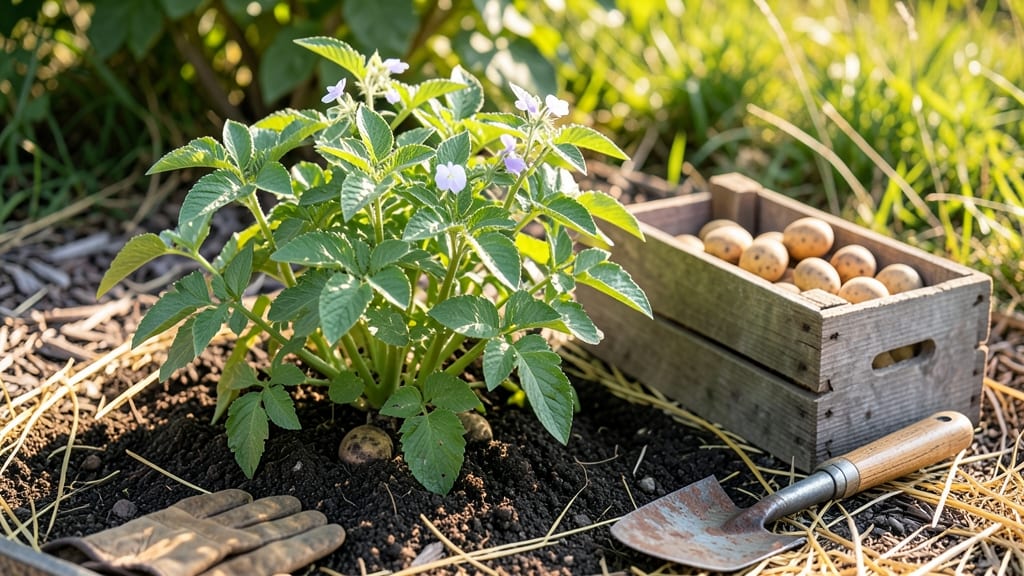
Growing potatoes at the best time of year means the difference between a bountiful harvest and a sad, stunted mess in your garden.
Picture this: you’ve prepped your soil, chosen the right variety, and planted your 🥔 with high hopes—only to watch them rot in the ground because you missed the frost-free window. That’s why timing isn’t just important; it’s the most important factor for success.
In cooler climates like USDA Zone 6a, early spring is your golden window—4-6 weeks before your last frost. But in warmer regions, fall planting can work too, if you pick the right varieties.
Below, I’ll break down the exact months to plant, how to adjust for your climate, and the game-changer tricks to extend your growing season.
Ready to learn how to learn how to time your potato planting for maximum yield? Let’s dig in.

Optimal planting windows by USDA hardiness zones: when to Start potatoes for peak yield
Timing your potato planting is the secret weapon for a high-yield harvest. Unlike many vegetables, potatoes thrive in cool soil but wilt under late frosts. The key? Plant when soil reaches 45-50°F and 2-4 weeks before your last frost date.
This window varies dramatically across USDA zones 3-10, where northern climates get just one growing season, while southern zones can plant twice yearly.
In zones 3-5, short summers demand early-maturing varieties like 'Yukon Gold' (60-90 days) to finish before frost. Meanwhile, zones 6-10 can stretch harvests with late-season varieties like 'Kennebec' (100-120 days) or even fall plantings in mild winters.
The difference between success and failure often comes down to soil temperature and frost dates—not just calendar months.
Here's your zone-by-zone planting guide with soil temperature thresholds and frost-sensitive windows:
| USDA Zone | Best Planting Window | Soil Temp Threshold | Frost Sensitivity | Ideal Varieties |
|---|---|---|---|---|
| Zones 3-4 | Early May - Mid-June | 45-50°F (2-4 weeks before last frost) | High (short season) | 'Red Norland', 'Kennebec' (60-90 days) |
| Zones 5-6 | Late April - Early June | 45-55°F (3-5 weeks before last frost) | Moderate (medium season) | 'Yukon Gold', 'Adirondack Red' (75-100 days) |
| Zones 7-8 | Early March - Late May | 50-55°F (flexible window) | Low (long season) | 'Sweetheart', 'LaRouge' (90-120 days) |
| Zones 9-10 | Fall (Sept-Oct) OR Spring (Feb-Mar) | 55-60°F (year-round options) | None (warm winters) | 'Purple Majesty', 'German Butterball' (100-130 days) |
For northern gardeners (zones 3-5), focus on early-maturing varieties and plant as soon as soil is workable. Use row covers to extend the season if needed—just remove them when flowers appear to prevent blossom end rot.
In zones 6-8, you can plant two crops: one in early spring and another in late summer for a fall harvest.
Southern growers in zones 9-10 have the advantage of year-round planting, but avoid summer heat. Plant in fall (September-October) for a winter harvest or early spring (February-March) to escape peak summer temperatures. Russian varieties like 'Adirondack Blue' thrive in these conditions with their longer growing season needs.
Pro tip: Use a soil thermometer to confirm readiness—45°F is the magic number. Cold soil slows sprouting, while waiting too long risks voles or disease. In containers, plant 4-6 weeks earlier since pots warm faster. Just ensure containers have drainage holes to prevent rot.
Remember: Potatoes hate heat. If your summer temps exceed 85°F, opt for shade cloth or plant in partial shade. The goal is to keep tubers cool while foliage grows—hot soil = small potatoes.
With the right timing, you'll go from seed to spud in just 2-3 months—no waiting required!
🌱 Start your potatoes when soil hits 45°F for maximum yield—don't guess, measure!
How to extend your potato growing season: cold-weather hacks for early or late planting
Cold weather doesn’t have to mean the end of your potato dreams! With the right strategies, you can push the boundaries of your growing season to enjoy fresh potatoes earlier in spring or later into fall.
I’ve tested these methods in my own garden, and they’ve helped me extend harvests by 4-6 weeks—even in USDA Zone 5 where frosts linger. The key is combining protective coverings with cold-hardy varieties and smart timing.
One of my favorite tricks is using frost blankets or row covers to shield young plants from late spring frosts. These lightweight fabrics trap heat while allowing sunlight and water to penetrate.
For even earlier starts, I’ve had success with cold frames—they create a microclimate that can warm soil by 10-15°F on chilly days. But timing matters just as much as the tools you use.
For late-season extensions, focus on harvest timing and soil protection. If you live in a region with early fall frosts, opt for second early varieties like Kennebec or LaRouge, which mature in 70-80 days instead of the usual 90-120 days.
I’ve also had luck with straw mulch—it insulates tubers and keeps them from freezing when tops die back.
Don’t overlook succession planting as a way to stagger harvests. Plant a small batch every 2-3 weeks starting 4-6 weeks before your last frost. This ensures a steady supply of fresh potatoes throughout the season.
In my raised beds, I’ve planted three successive batches and harvested over a 6-week period—a game-changer for home cooks!
Remember, the goal is to protect young plants and extend the growing window, not force potatoes to grow in impossible conditions. Monitor your local frost dates and adjust your strategy accordingly.
With these hacks, you’ll be enjoying homegrown potatoes weeks before your neighbors—and maybe even after their season has ended! 🥔