
Planting
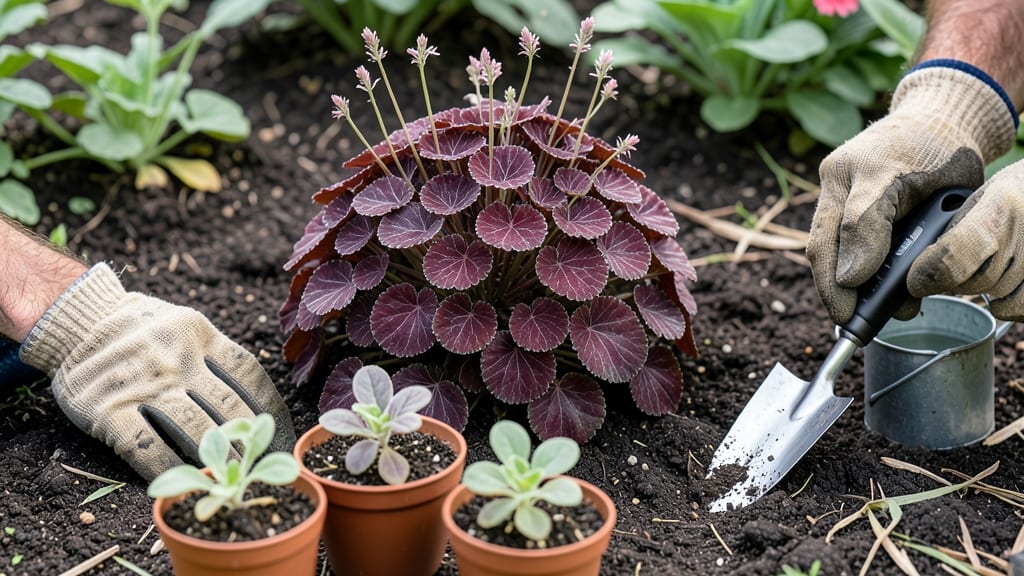
Planting coral bells at the best time ensures their stunning foliage thrives for years to come 🌸—and missing the window can leave you with weak, underperforming plants.
Picture this: You’ve picked out the perfect Coral Bells variety, but after months of waiting, their leaves stay dull and growth stalls. That’s because timing matters more than most gardeners realize—especially across USDA Zones 3-9, where spring and fall windows differ dramatically.
In this guide, I’ll break down the ideal months for your zone, how to prep soil for maximum root success, and whether containers or ground cover work better for your space. No guesswork—just actionable steps to get those vibrant leaves off to the right start.
Ready to plant with confidence? Let’s dive into the details so your Coral Bells flourish from day one.

Optimal planting months for coral bells by USDA zone (3-9)
Coral bells (Heuchera) thrive when planted during their natural dormancy windows, typically early spring or early fall. These two-season planting windows ensure robust root establishment before extreme heat or cold.
In USDA Zones 3-9, the ideal timing varies by climate region—from the Pacific Northwest's mild winters to the Deep South's long growing seasons. Let's break down the best months for each zone to maximize your coral bells' vibrant foliage potential.
For Zones 3-5, where winters are harsh, late April to early May is ideal for spring planting. These regions benefit from soil temperatures above 50°F to prevent frost damage. Meanwhile, early fall (September) offers a second chance to plant before the ground freezes.
In Zones 6-9, where winters are milder, you can extend your planting window to March-April and September-October, but avoid summer heat stress.
Here’s a quick reference for your USDA Zone and the best months to plant coral bells:
| USDA Zone | Best Planting Months | Soil Temp Threshold | Regional Adjustments |
|---|---|---|---|
| Zones 3-4 | Late April–Early May, September | Above 50°F | Avoid early spring if frost risk remains |
| Zones 5-6 | March–April, September–October | Above 45°F | Pacific Northwest: Plant in fall for winter interest |
| Zones 7-8 | February–March, September–October | Above 55°F | Deep South: Fall planting avoids summer heat stress |
| Zone 9 | January–February, September–October | Above 60°F | Avoid summer planting due to extreme heat |
In Zones 3-4, where frost lingers late, wait until after the last frost date—typically late April or early May. These regions also benefit from fall planting in September to establish roots before winter dormancy.
The soil temperature threshold of 50°F ensures roots won’t freeze, while well-draining soil prevents waterlogged roots.
Gardeners in Zones 5-6 have more flexibility, with March-April and September-October as ideal windows. The Pacific Northwest stands out here: planting in fall (September) takes advantage of mild winters and provides year-round interest.
For these zones, soil temperatures above 45°F signal it’s safe to plant, and partial shade protects foliage from harsh afternoon sun.
Southern gardeners in Zones 7-8 can start as early as February-March, but fall planting (September-October) is often better. The Deep South benefits from fall planting to avoid the oppressive summer heat, which can stress young plants.
Aim for soil temperatures above 55°F to ensure healthy root growth before winter.
For Zone 9, where winters are mild, January-February planting is possible, but September-October remains the safest bet. Avoid summer planting entirely—soil temperatures above 60°F can bake young roots, leading to stunted growth or even death.
Instead, focus on well-draining, slightly acidic soil (pH 6.0-7.0) to keep your coral bells thriving.
Regardless of your zone, always amend your soil with compost or organic matter before planting. Coral bells prefer moist but well-draining soil, and adding mulch after planting helps retain moisture and regulate soil temperature.
Whether you’re in Zone 3 or Zone 9, timing your planting to align with soil temperature thresholds and regional climate patterns sets your coral bells up for a vibrant, long-lasting display.
Pro tip: If you miss the ideal window, container planting extends your options. Use well-draining pots and move them to shaded spots during summer heat. With the right timing and care, your coral bells will reward you with stunning foliage year after year! 🌿
Signs you’re planting coral bells at the wrong time (and how to fix it)
Planting coral bells (Heuchera) outside their ideal window can turn your vibrant foliage dreams into a sad, struggling specimen. The biggest red flags? Yellowing leaves, stunted growth, or plants that look shocked after transplanting.
These signs often mean you planted too early (frost damage) or too late (weak root establishment).
Another common mistake is ignoring your local microclimate. A sunny spot in your yard might actually be cooler than the general zone suggests, delaying growth. Even experienced gardeners overlook these subtle clues—until their coral bells start struggling. Let’s troubleshoot the most frequent timing mistakes.
⚠️ WARNING: Planting Coral Bells at the Wrong Time
Planting coral bells outside their ideal 6-8 week window before first frost (early spring or early fall) risks transplant shock, frost damage, or poor root growth. Signs of trouble: Yellowing leaves, wilting, or stunted growth. Fix it: Replant in the correct season or use mulch to protect roots.
If your coral bells show yellowing leaves, it’s often a sign of overwatering or root stress from planting too late in the season. Late plantings force roots to establish in cooler soil, slowing growth.
Check your soil—it should stay 60-70°F for optimal root development. If it’s cooler, delay planting until conditions improve.
Stunted growth is another clear warning. Coral bells planted in early summer (when temperatures soar) struggle to establish before winter. Their roots need cooler soil to grow steadily. If you missed the spring window, wait until early fall (6-8 weeks before frost) to give them time to root before dormancy.
Transplant shock is a silent killer for coral bells. If your plants wilt or drop leaves after moving, you may have disturbed roots too early or planted in hot, dry conditions.
Always water deeply before and after transplanting, and avoid planting in full sun during heatwaves. A shade cloth can help during recovery.
Don’t forget microclimates! A north-facing slope might be 2 zones colder than your yard’s general zone. Use these clues to adjust timing: Frost-sensitive varieties need extra protection, while hardy types can handle earlier plantings. Test your soil temperature with a soil thermometer—aim for 55-65°F for best results.
Fixing timing mistakes is easier than you think. For early plantings, add mulch to insulate roots. For late plantings, use container growing to control soil warmth. With the right adjustments, your coral bells will bounce back with bold, healthy foliage in no time. 🌿