
Planting
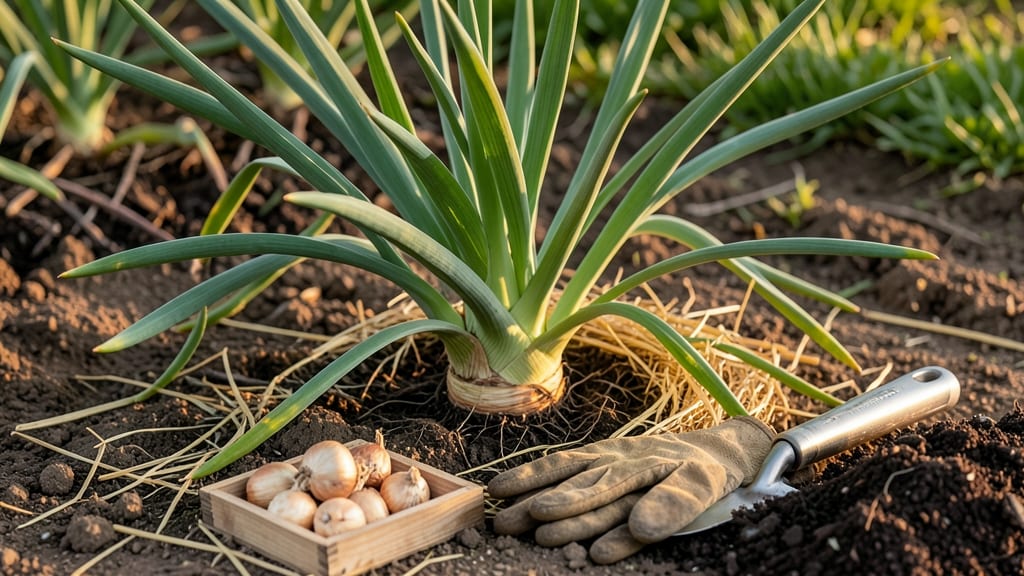
Planting onions in Texas at the right time means the difference between sweet, plump bulbs and bitter, bolted greens—so timing is everything.
Texas gardeners know the stakes: miss the cool-season window, and your 🧅 onions either shrivel in summer heat or bolt before forming bulbs.
The best time to plant onions in Texas hinges on two critical windows—fall for overwintering varieties and early spring for a summer harvest—each with its own frost and heat challenges.
Whether you’re growing from sets or seeds, the key is beating the heat while giving roots time to establish before the Texas sun peaks. Below, I’ll break down the exact months for your region, soil prep secrets to prevent bolting, and the heat-tolerant varieties that actually thrive here.
Skip the guesswork and learn how to time your planting for maximum yield, whether you’re in North Texas’s chilly winters or South Texas’s mild climate. Your next harvest starts with these steps.

Texas onion planting calendar: exact months for bulb vs green onions
Texas gardeners know timing is everything—plant onions too early, and they bolt; too late, and they struggle with heat. Mastering the cool-season window is the key to harvesting sweet, plump bulbs that rival store-bought (and taste better!).
The best time to plant onions in Texas depends on whether you're growing bulb onions (for storage) or green onions (for fresh harvest), plus your region's frost dates.
Texas spans USDA zones 8a-10a, creating distinct planting windows. North Texas faces earlier frosts, while South Texas enjoys longer growing seasons. Bulb onions need 120-150 days to mature, while green onions can be harvested in just 60-90 days.
Let's break down the exact months for each region and onion type.
🌱 Comparison Table: Texas Onion Planting Windows by Region
Feb 15-Mar 15
Feb-Apr
First frost: Jan 15
Feb 1-Mar 30
Jan-Apr
First frost: Dec 15
Jan 15-Mar 15
Dec-Apr
First frost: Oct 30
For bulb onions, timing is critical to avoid bolting (premature flowering). Plant sets (small bulbs) 4-6 weeks before your region's average last frost date. In North Texas, this means September 15-October 15 for fall planting, while Central and South Texas can extend until late October.
Spring planting should occur February-March to ensure harvest before summer heat sets in.
Green onions, also called scallions, are more flexible. They tolerate warmer temperatures than bulb onions and can be planted every 2-3 weeks for continuous harvest. In North Texas, start in September and continue through April, while South Texas gardeners can plant as late as July for fall harvests.
Their quick growth makes them perfect for succession planting.
Texas' heat tolerance thresholds are crucial. Bulb onions struggle when soil temperatures exceed 85°F, while green onions can handle up to 90°F with afternoon shade. If planting in late summer, use shade cloth or focus on heat-tolerant varieties like 'Texas Early White' or 'Yellow Granex'.
Always plant in well-draining soil to prevent rot during our hot, humid summers.
Frost is another key factor. North Texas gardeners must protect fall-planted onions with row covers or mulch when nighttime temps drop below 30°F. Central Texas sees milder winters, allowing for overwintering of hardy varieties like 'Texas Early White'.
In South Texas, frost is rare, but a light frost can still damage tender green onions. Always check your local frost date averages and adjust planting accordingly.
Pro tip: Plant onion sets (pre-grown bulbs) in fall for an early spring harvest, or start seeds indoors 8-10 weeks before your last frost date. For green onions, direct sow seeds ½ inch deep and thin seedlings to 2-3 inches apart.
Both methods work well in Texas, but sets give you a head start in our short cool seasons.
Remember, Texas onion growing isn't just about months—it's about microclimates. A north-facing garden bed stays cooler than a south-facing one, while raised beds warm up faster in spring. Pay attention to your specific garden conditions and adjust planting dates accordingly. With
How to prepare Texas soil for onion success: pH, drainage, and fertilizer secrets
Texas soil can be a double-edged sword for onions—too alkaline, and bulbs won't form properly; too sandy, and nutrients wash away. The secret to sweet, plump onions lies in amending your soil before planting.
Whether you're growing yellow onions for storage or green onions for quick harvests, proper prep ensures robust growth and prevents bolting. Let's break down the essential steps tailored to Texas conditions.
Onions thrive in well-draining soil with a pH between 6.0 and 7.0. Unfortunately, many Texas soils are naturally alkaline, which can stunt bulb development. Start by testing your soil's pH using a home test kit or send a sample to your local agricultural extension office.
If your pH reads above 7.0, you'll need to lower it with sulfur or peat moss—both work well in our clay-heavy soils.
- Test Soil pH
- Amend with Sulfur (for pH > 7.0): Apply 1 lb of sulfur per 100 sq ft and water thoroughly. Re-test in 4-6 weeks.
- Improve Drainage: Mix in compost (2-3 inches) or aged manure to loosen clay soils. Sandy soils? Add peat moss or coco coir to retain moisture.
- Fertilize Smartly: Use a balanced 10-10-10 fertilizer at planting (1 tbsp per plant) and again when tops reach 6 inches. Avoid high-nitrogen fertilizers late in the season—they encourage leafy growth over bulb formation.
- Mulch to Retain Moisture: Apply 2-3 inches of straw mulch to keep soil cool and reduce evaporation, especially in our hot springs.
Texas' sandy soils in regions like the High Plains or Gulf Coast pose unique challenges—they drain too quickly and lack organic matter. To fix this, work in composted leaves or well-rotted manure to improve water retention.
For clay-heavy soils in Central Texas, focus on breaking up compaction with a broadfork before amending. Aim for a soil texture that feels like a moist sponge—not gritty or sticky.
Fertilizer timing is critical to prevent bolting, where onions flower prematurely. Start with a low-phosphorus fertilizer (like 5-5-5) at planting to encourage root growth. Once your onions are established, switch to a balanced 10-10-10 every 4-6 weeks.
In late winter or early spring, reduce nitrogen to shift energy toward bulb development. Pro tip: Side-dress with fish emulsion or kelp meal for a gentle nutrient boost without overstimulating growth.
Don't overlook the power of organic matter. My go-to amendment is a mix of compost, worm castings, and a handful of greensand (for potassium). This combo improves soil structure, holds moisture, and provides slow-release nutrients.
Spread a 2-inch layer over your planting area, then till it in lightly—just enough to mix it into the top 6 inches of soil. This prep work pays off when your onions start forming plump, sweet bulbs instead of skinny, pithy ones.
Finally, water consistently but avoid soggy soil—onions hate wet feet. In Texas' dry spells, water deeply 1-2 times per week to encourage deep root growth. Use drip irrigation to keep foliage dry, reducing the risk of fungal diseases like downy mildew.
With the right soil prep, your onions will thrive even in our hot, variable climate.