
Planting
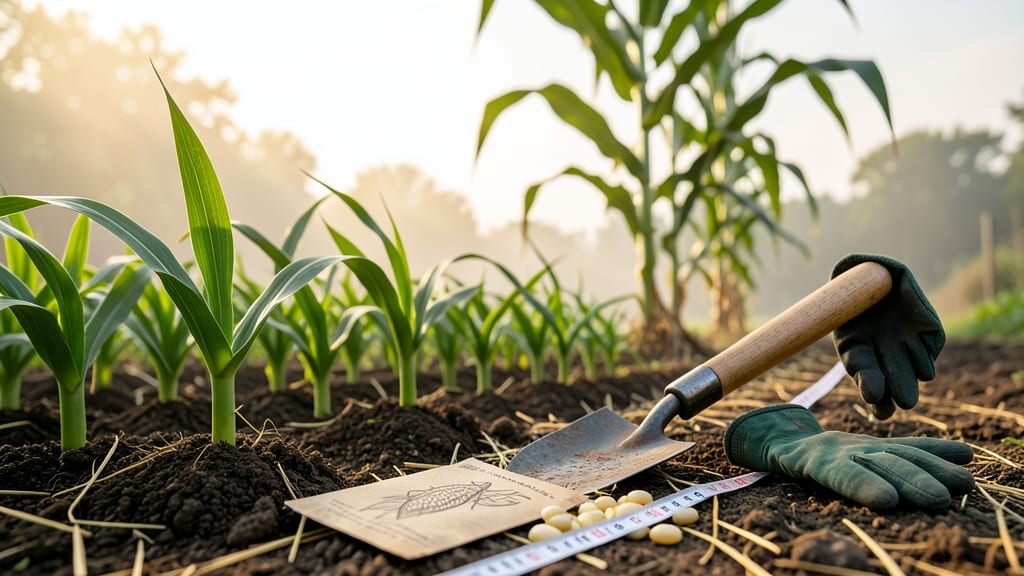
Planting corn seeds deep and warm is the best way to guarantee those towering stalks you dream of. 🌽 I’ve learned the hard way that shallow planting leads to leggy, weak plants—and nobody wants a cornfield that looks like it’s bowing under a hurricane.
The secret lies in soil temperature, spacing, and a few other tricks that turn flimsy seedlings into sturdy, productive plants.
Start with soil that’s at least 60°F—corn seeds need warmth to germinate, and cold soil will leave you waiting weeks for sprouts. Plant seeds 1-1.5 inches deep and 4-6 inches apart in rows that are 24-36 inches apart.
This spacing gives roots room to spread and prevents overcrowding, which leads to disease and poor yields. If your soil drains poorly, mix in compost to improve aeration and moisture retention.
Once planted, keep the soil consistently moist but not soggy—corn roots need steady hydration, especially during tasseling. Within 7-14 days, you’ll see those first green shoots pushing through, and with proper care, you’ll be harvesting ears in 70-100 days, depending on the variety.
The payoff? Sweet, juicy corn that’s worth every bit of effort.
This method works for most climates, but adjust planting times based on your last frost date—corn is sensitive to cold snaps, so get it in the ground when the soil is warm but the air isn’t scorching.
Whether you’re growing sweet corn, dent corn, or popcorn, these steps ensure a foolproof harvest. Let’s get those seeds in the ground!
📚 In This Guide
- What you need
- Instructions
- Tips and common mistakes
- Wrapping up and next steps
What you need
- ● Corn seeds: Choose heirloom or hybrid varieties (e.g., 'Golden Bantam' or 'Silver Queen'). Buy 1–2 lbs per 100 ft² for optimal spacing.
- ● Garden soil: Well-draining, loamy soil with a pH of 6.0–7.0. Test your soil or amend with compost if needed.
- ● Fertilizer: Balanced (10-10-10) or high-phosphorus (5-10-10) fertilizer—apply 1–2 lbs per 100 ft² at planting.
- ● Organic options: Compost, aged manure, or bone meal for phosphorus.
- ● Watering supplies: Hose with a soaker nozzle or drip irrigation system (corn needs 1–1.5 inches of water per week).
- ● Planting tools: Hand trowel or corn planter (for precision).
- ● Garden rake (to loosen soil).
- ● Mulch: Straw or grass clippings to retain moisture and suppress weeds.
- ● Row covers: Lightweight fabric to protect seedlings from pests or frost.
- ● Trellis or stakes: For varieties like sweet corn that may need support.
- ● Seedling heat mat: If starting indoors in cool climates (keep soil 70–85°F).
- ● Plant markers: Labels or sticks to track varieties and planting dates.
Step-by-step guide to planting corn seeds for maximum yield
Here's how I plant corn every season—warm soil, deep placement, and proper spacing guarantee strong stalks and plentiful ears.
🌱 Step 1: Prepare the Soil for Warmth and Drainage
Corn thrives when soil temperatures reach 60°F or warmer. Use a soil thermometer to check—wait until the ground consistently hits this mark before planting. I always loosen the top 6-8 inches of soil with a broadfork or tiller to improve drainage and root penetration. Corn roots need room to spread.
Incorporate 2-3 inches of well-rotted compost into the top 6 inches of soil. This boosts organic matter without compacting the bed. Avoid fresh manure—it can burn tender corn roots and attract pests. A soil pH between 6.0-6.8 is ideal, so test your bed if you're unsure.
🌱 Step 2: Plant Seeds Deep and Spaced for Strong Stalks
Plant corn seeds 1-1½ inches deep—deeper than most vegetables. This ensures the seedling emerges with enough energy reserves to support its heavy stalk. I use a hand trowel to make holes 12 inches apart in rows that are 30-36 inches apart for proper air circulation and sunlight penetration.
Drop 2-3 seeds per hole—corn has low germination rates, and you'll thin later. Cover seeds with soil and gently firm the surface with your hand. Water immediately after planting to settle the soil around the seeds. Avoid walking on the bed until seedlings emerge to prevent soil compaction.
☀️ Step 3: Provide Consistent Moisture and Full Sun
Corn needs 1-1½ inches of water per week once established, but keep soil evenly moist during germination. I water deeply 2-3 times per week until the first true leaves appear. After that, maintain 1 inch of moisture per week, letting the top inch dry between waterings to prevent fungal diseases.
Corn requires full sun (6-8 hours daily). If your garden has partial shade, plant varieties like 'Golden Bantam' that tolerate lighter conditions. You'll see the first true leaves (not the initial seed leaves) emerge in 7-10 days at 60°F soil temps. Thinner seedlings to 1 plant per hill when they reach 4 inches tall, using scissors to avoid disturbing roots.
✂️ Step 4: Fertilize and Support for Tall Growth
Side-dress with 1 cup of 10-10-10 fertilizer per 10 feet of row when plants reach 12 inches tall. Work the fertilizer into the soil 2-3 inches away from the stalk to avoid burning roots. Corn is a heavy feeder, so repeat this every 3-4 weeks until tasseling begins.
Stalks may need staking if they reach 6 feet or taller, especially in windy areas. I use 3-foot bamboo stakes tied to the main stalk with soft garden twine at the base and mid-height. Watch for earworms—cover ears with silicone earworm bags when silks first appear to protect developing kernels.
🌽 Step 5: Harvest at Peak Ripeness
Corn is ready to harvest 18-22 days after silk appears. Press a kernel with your thumbnail—it should give slightly and release a milky liquid. If it's hard and dry, the ear is past its prime. I harvest in the morning when sugars are highest, using a sharp knife to cut stalks 6 inches above the ear to preserve flavor.
For storage, keep ears in the husk and refrigerate for up to 1 week. Or blanch and freeze for long-term use. The key to great corn is patience—wait until kernels are fully plump and sweet, and you'll have the best harvest of the season.
Tips & tricks for perfect corn planting
These game-changing strategies will help you grow corn that rivals the best farm stands—without the guesswork.
Soil Temperature Secret: That 60°F soil temperature threshold is non-negotiable. I've planted in 55°F soil before and watched seeds rot underground. Use a soil thermometer for 3 consecutive days at 60°F before planting—this ensures consistent germination. For faster warming, cover your beds with black plastic mulch 1-2 weeks before planting. The plastic also suppresses weeds and retains moisture.
Planting Depth Technique: The 1-1½ inches depth recommendation isn't arbitrary—it's about striking the perfect balance. Too shallow and seedlings struggle to emerge; too deep and they'll exhaust their energy reserves. I use a ruler to verify depth after planting, then press the soil gently around seeds to create good seed-to-soil contact. This prevents air pockets that can cause uneven germination.
Watering Wisdom: Those 2-3 waterings per week during germination are critical, but timing matters just as much. Water deeply in the morning so the soil has all day to absorb moisture before evening. Avoid overhead watering—it can spread fungal spores. Instead, use soaker hoses or drip irrigation placed 2 inches away from seedling bases to deliver water directly to roots.
Fertilizer Timing: The 1 cup of 10-10-10 fertilizer per 10 feet recommendation should be applied when plants reach 12 inches tall, but here's the pro move: split that application into two doses. Give half at the 12-inch stage and the remaining half when plants reach 24 inches tall. This staggered approach prevents nutrient burn while supporting continuous growth during corn's rapid development phase.
Pro Tips for Best Way To Plant Corn Seeds
- These game-changing strategies will help you grow corn that rivals the best farm stands—without the guesswork.
- Soil Temperature Secret: That 60°F soil temperature threshold is non-negotiable.
- Planting Depth Technique: The 1-1½ inches depth recommendation isn't arbitrary—it's about striking the perfect balance.
Frequently asked questions
Got questions about planting corn seeds? You’re not alone—growing corn can feel tricky at first! Here are answers to the most common concerns to help you get started with confidence.
When is the best time to plant corn seeds?
The ideal time to plant corn is after the last frost when soil temperatures reach at least 60°F (15°C). Corn thrives in warm soil, so aim for late spring or early summer. If you’re in a cooler climate, opt for early-maturing varieties to avoid fall frost.
How deep should I plant corn seeds?
Plant corn seeds 1 to 1.5 inches deep—deeper in dry soil and shallower in moist conditions. Use your finger to create a small furrow, drop in 2-3 seeds per hole (about 6-12 inches apart), then cover gently. Proper depth ensures strong roots and better germination.
What if my soil is too cold or wet?
Cold, wet soil can delay germination. If your soil isn’t warm enough, try black plastic mulch or a cold frame to heat it up. For soggy conditions, improve drainage by amending soil with compost or planting on raised beds. Patience is key—wait until soil warms naturally!
Can I plant corn seeds indoors first?
Corn is not ideal for indoor starting because it has a long taproot that transplants poorly. Instead, sow seeds directly outdoors in warm soil. If you’re in a short growing season, choose fast-maturing varieties (like 60-70 days) to maximize your harvest.
How do I protect corn seeds from pests?
Corn is vulnerable to cutworms, raccoons, and birds. Use row covers or chicken wire for young plants, and plant near marigolds or beans to deter pests. Avoid over-fertilizing with nitrogen, which attracts insects. A light mulch also helps deter burrowing pests.
How far apart should corn plants be spaced?
Space corn plants 12-18 inches apart in rows 30-36 inches apart for optimal airflow and sunlight. Taller varieties may need wider spacing (up to 24 inches) to prevent disease. Thinning seedlings ensures stronger stalks and better yields—don’t overcrowd!
Wrapping up and next steps
Planting corn seeds the right way—deep, warm, and with proper spacing—sets the stage for a bountiful harvest 🌽✨. Remember to prep your soil, choose the best seeds, and give them the love they need for strong roots and lush growth.
With these steps, you’re well on your way to growing healthy, productive corn plants!
Now that you’re equipped with the knowledge, roll up your sleeves and get planting! Keep an eye on your seedlings, and soon you’ll be enjoying the fruits of your labor—whether it’s fresh corn on the cob or a thriving garden. Happy growing! 🌱💚