
Planting
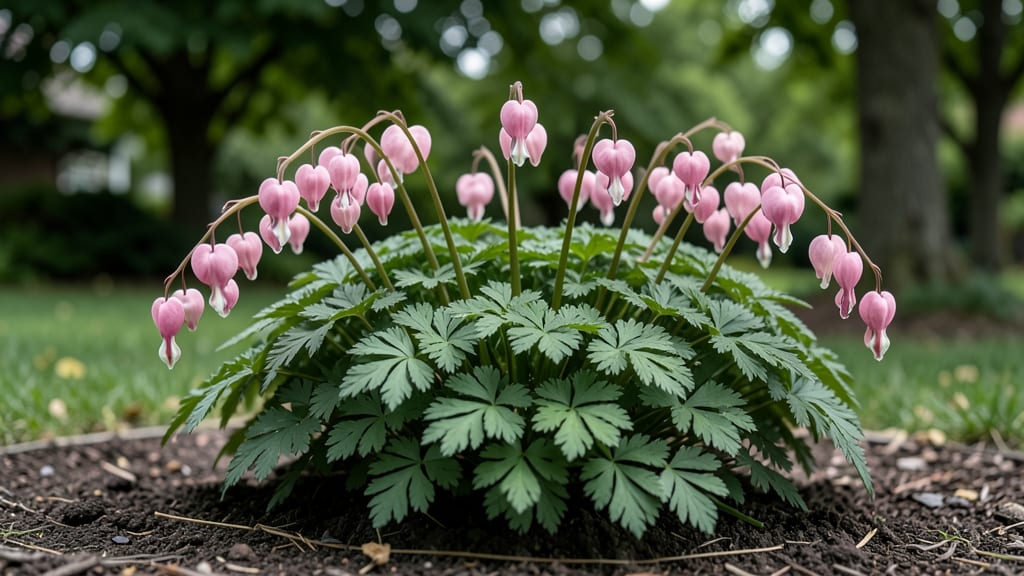
Your shade garden just got a showstopper—bleeding heart plants bring delicate, heart-shaped blooms that dance in dappled light. 🌿 I’ve grown them for years, and they’ve never failed to add drama to my woodland-edge garden, where sunlight barely touches the forest floor. The secret to their success?
Rich, moist soil that stays cool—think of them as the divas of the shade world. They’ll reward you with 3-4 weeks of pink or white blooms in spring, followed by lacy foliage that lasts all season. No fuss, just beauty.
Once established, they’re practically maintenance-free, though a light trim after flowering keeps them tidy. Pair them with ferns, hostas, or astilbes for a dreamy understory combo that feels like a secret garden. Perfect for beginners and shade lovers alike—these plants thrive where others struggle.
Here’s how to give them the perfect home.
📚 In This Guide
- What you need
- Instructions
- Tips and common mistakes
- Wrapping up and next steps
What you need
- ● Bleeding heart plant: 1-3 nursery-grown plants (preferred for faster blooms) OR
- ● Seeds (sown indoors 8-10 weeks before last frost, or directly outdoors in fall)
- ● Well-draining potting mix or garden soil: 10-15 gallons (for containers) or amended garden bed (for in-ground planting). Mix in: 50% high-quality potting soil
- ● 30% peat moss or coco coir
- ● 20% perlite or coarse sand (for aeration)
- ○ Container (optional but helpful): 1-2 ceramic or fabric pots (12-18 inches deep, with drainage holes)
- ● OR a raised garden bed (if planting multiple plants)
- ● Mulch: 2-3 inches of organic mulch (shredded bark or wood chips) to retain moisture.
- ● Trowel or garden spade (for transplanting)
- ● Gloves (to protect hands from soil and thorns)
- ● Watering can or hose with a gentle spray nozzle
- ● Pruners (for trimming dead foliage or shaping plants)
- ○ pH tester (optional, ideal soil pH: 6.0-7.0)
- ● Location: Partial to full shade (2-4 hours of dappled sunlight max). Avoid harsh afternoon sun.
- ● Watering schedule: Keep soil consistently moist but not soggy (water 1-2 times per week, more in heat).
- ○ Fertilizer (optional): Balanced, slow-release fertilizer (10-10-10) applied in early spring.
- ● Patience: Seeds may take 2 years to bloom; nursery plants reward you with flowers in the first year!
Step-by-Step guide to planting and caring for bleeding heart
Here's how to create a thriving display of these graceful, shade-loving beauties.
🌱 Step 1: Choose the Perfect Planting Location
Bleeding hearts love partial to full shade, thriving where other plants struggle. Look for a spot that gets morning sun and afternoon shade—this protects the delicate blooms from harsh afternoon rays while giving them enough light to flourish. A location with dappled sunlight (like under tall trees) is ideal.
Test your spot by observing how much light it receives throughout the day. If the area stays too dark, your bleeding hearts may produce fewer blooms. The key is filtered light—think of it as a gentle, diffused glow rather than direct sunlight. Avoid areas where the ground stays bone-dry or waterlogged for long periods.
🪴 Step 2: Prepare the Soil for Healthy Growth
Bleeding hearts prefer rich, well-draining, slightly acidic soil with a pH between 6.0 and 7.0. Before planting, loosen the soil to a depth of 12 inches to encourage root spread. Mix in 2-3 inches of organic compost or well-rotted leaf mold to improve fertility and drainage.
If your soil is heavy clay, amend it with pearlite or coarse sand to prevent waterlogging, which can rot the roots. A simple soil test kit will tell you if your soil needs adjustments—bleeding hearts won’t tolerate alkaline soil, so lime isn’t their friend. Work the amendments into the soil until it’s light and crumbly, like cake batter.
☀️ Step 3: Plant at the Right Depth and Spacing
Dig a hole twice as wide as the root ball but no deeper—bleeding hearts hate having their crowns buried too deeply. Gently remove the plant from its container and tease the roots outward if they’re circling. Place it in the hole so the top of the root ball sits just below soil level—this prevents rot while encouraging strong growth.
Space plants 18-24 inches apart to give them room to spread. If you’re planting multiple bleeding hearts, arrange them in odd-numbered groupings (like threes or fives) for a natural, balanced look. Water the hole deeply before backfilling with soil, then firm it gently around the roots to eliminate air pockets.
💧 Step 4: Water and Mulch for Long-Term Success
Water thoroughly after planting to settle the soil, then maintain consistent moisture—bleeding hearts dislike drying out but can’t handle soggy roots. Aim for 1 inch of water per week, adjusting for rain. You’ll know you’re nailing it when the soil feels damp but not soggy down to 2 inches deep. Mulch the area with 2-3 inches of shredded bark or leaves to retain moisture and regulate soil temperature.
Keep mulch 2-3 inches away from the stem to prevent rot. Over time, the mulch will break down, enriching the soil naturally. In the first year, your bleeding hearts may focus more on root growth than blooms—that’s normal. Once established, they’ll reward you with lush foliage and heart-shaped flowers for years.
✂️ Step 5: Prune and Maintain for Next Season’s Blooms
After the first flush of blooms fades, cut back the stems to just above the first set of leaves to encourage a second, often lighter bloom cycle. In late fall or early winter, trim back dead or yellowing foliage but leave any remaining stems—this protects the plant over winter and gives it a head start in spring.
Bleeding hearts are hardy perennials, meaning they’ll return year after year with proper care. Divide clumps every 3-4 years in early spring or fall to prevent overcrowding. Simply dig up the plant, separate the roots, and replant the healthiest sections. With the right spot and a little attention, your bleeding hearts will become a shade garden staple for decades.
Tips & tricks for perfect bleeding heart plant care
Between us, these delicate beauties thrive when you pay attention to a few key details that make all the difference.
Lighting Secret: The morning sun and afternoon shade combo is non-negotiable for those signature blooms. I've learned this the hard way—direct afternoon sun scorches the leaves and fades the flowers. If your garden only offers full shade, don't worry! These plants will still grow, though you might get slightly fewer blooms. The key is that filtered light we mentioned—think of it like wearing a sun hat but still getting enough light to read a book.
Soil Science: That 12-inch soil loosening in Step 2 isn't just about roots—it's about creating a sponge-like environment. I always test my soil's moisture after loosening by pressing my finger 2 inches down. It should feel like a well-wrung sponge: damp but not dripping. If your soil is heavy clay, mix in that pearlite or sand right up to the 12-inch mark—don't skimp! I've seen bleeding hearts struggle in unamended clay for years before finally getting it right.
Planting Precision: The "just below soil level" rule in Step 3 is crucial for preventing crown rot. Here's what I do: After placing the plant, I use my knuckle as a guide—it should sit about an inch below the surrounding soil line. This small detail prevents the classic "waterlogged crown" problem that kills so many shade plants. And remember, those 18-24 inches between plants? That's not just for looks—it gives roots room to breathe and prevents fungal diseases from spreading.
Watering Wisdom: The 1-inch weekly watering guideline is perfect, but timing matters too. I water in the morning so the foliage dries before evening—this prevents fungal issues. For that 2-inch deep dampness check, I use a screwdriver. If it comes out clean, you're good. If it's dry, it's time to water. And that mulch? Keep it 2-3 inches away from stems like the instructions say—it's easy to forget this small detail, but it's what keeps your plants healthy for years.
Pro Tips for Bleeding Heart Shade Plant
- Between us, these delicate beauties thrive when you pay attention to a few key details that make all the difference.
- Lighting Secret: The morning sun and afternoon shade combo is non-negotiable for those signature blooms.
- Soil Science: That 12-inch soil loosening in Step 2 isn't just about roots—it's about creating a sponge-like environment.
Frequently asked questions
Got questions about growing and caring for your bleeding heart shade plant? You’re not alone! Here are some of the most common concerns—plus quick, practical answers to keep your plant thriving.
How much shade does a bleeding heart plant really need?
A bleeding heart (Lamprocapnos spectabilis) thrives in partial to full shade, especially in hotter climates. Aim for 4–6 hours of dappled sunlight daily—think dappled forest light. Too much direct sun can scorch its delicate foliage, while too little may reduce blooms. Morning sun with afternoon shade is ideal!
When is the best time to plant bleeding heart?
The best planting window is in early spring or early fall, when soil temps are cool (50–60°F). This gives roots time to establish before summer heat or winter frost. Avoid planting in peak summer—the stress can stunt growth. Pro tip: If planting in fall, do it at least 6 weeks before frost to ensure root development.
Why aren’t my bleeding heart blooms as big or frequent as they should be?
If your plant is underperforming, check these common culprits:
- Too much sun (burns foliage, reduces blooms).
- Poor soil drainage (roots rot in soggy soil).
- Over-fertilizing (rich soil isn’t needed—these plants prefer moderate nutrients).
- Lack of winter dormancy (they need a cool season to rebloom).
Try moving to shadier spot, amending soil with compost, and avoiding fertilizer after mid-summer.
Can I grow bleeding heart in containers? What’s the best pot size?
Yes! Bleeding hearts adapt well to containers, but they need depth and drainage. Choose a pot at least 12–18 inches deep with drainage holes. Use a well-draining potting mix (add perlite or orchid bark for aeration). Note: Potted plants may bloom less than in-ground ones but can still thrive with regular watering and seasonal pruning.
How do I revive a bleeding heart that’s looking sad or leggy?
Leggy or floppy bleeding hearts often need pruning and care adjustments. Here’s how to revive it:
- Prune back overgrown stems by 1/3 in early spring to encourage bushier growth.
- Check watering—soil should stay moist but not soggy.
- Feed lightly with a balanced fertilizer (10-10-10) in early spring.
- Move to a shadier spot if leaves show sunburn (yellow/brown edges).
With TLC, many bleeding hearts bounce back—just give it time!
Wrapping up and next steps
The bleeding heart shade plant is a stunning, low-maintenance addition to any garden or indoor space, bringing delicate blooms and lush foliage to shady corners. With the right care—like proper soil, watering, and a bit of patience—you’ll enjoy its heart-shaped flowers year after year. 💖
Ready to give this beauty a try? Start by gathering your supplies and choose a spot that mimics its natural, dappled-light habitat. Whether you’re a seasoned gardener or a beginner, this plant’s charm makes it a rewarding project—so roll up your sleeves and let your green thumb shine!