
How To
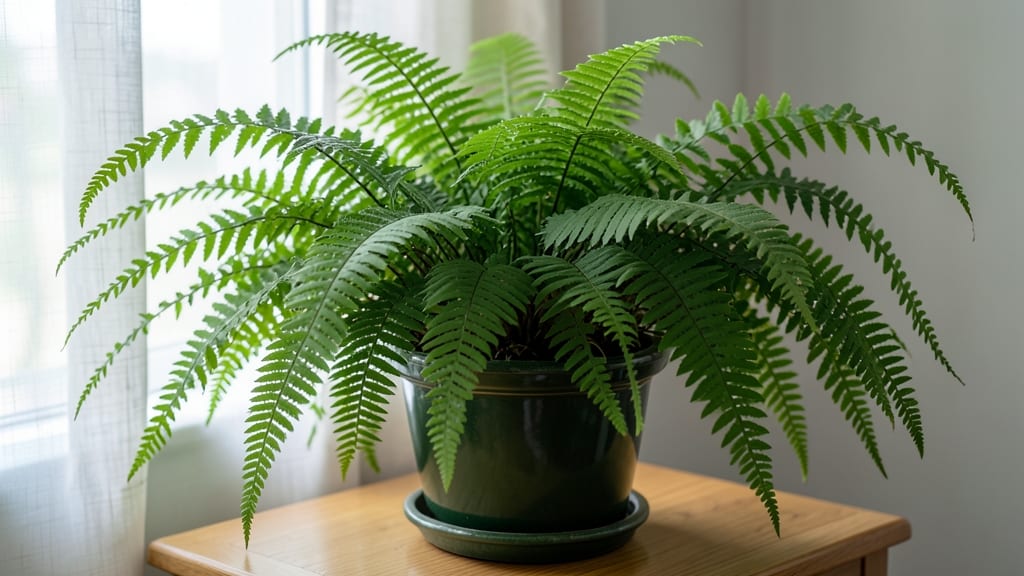
Boston ferns thrive in USDA hardiness zones 7 through 11, requiring winter protection in colder climates to prevent frost damage. Their delicate fronds need consistent moisture and shade to survive outside these zones.
Understanding your Boston fern hardiness zone is key to keeping these lush plants alive year-round. 🌿 These ferns can't handle freezing temperatures—below 20°F will damage their fronds permanently.
In zones 5 or 6, I've seen gardeners use thick mulch or move potted plants to unheated garages, which creates a buffer against sudden cold snaps. The good news? With the right winter prep, you can grow them successfully even in marginal zones.
What makes these ferns so picky is their tropical heritage—they originated in wooded areas where temperatures rarely drop below 30°F. That's why I always recommend checking your microclimate (like a sheltered garden corner) rather than relying solely on your ZIP code zone.
Even a small difference in exposure can mean the difference between thriving foliage and crispy brown fronds by spring.
💡 In This Article
- USDA Zone Breakdown for Boston Fern Growth
- Winter Care Strategies for Boston Ferns in Cold Climates
USDA zone breakdown for Boston fern growth
Boston ferns originated in the moist, shaded forests of the southeastern United States, where temperatures rarely drop below 30°F—this explains why USDA zones 7 through 11 provide their ideal growing conditions.
The key factor is the average annual minimum temperature: in zone 7, winters typically dip to 0°F, while zone 11 stays above 40°F year-round. These ferns can tolerate brief exposures to 25°F, but sustained freezing (20°F or lower) causes irreversible cell damage to their delicate fronds.
Their cold sensitivity becomes clear when comparing zones: a zone 7 garden might see 50-100 frost-free days per year, while zone 11 has 300+ days. This extended growing season in warmer zones allows Boston ferns to establish deeper root systems, making them more resilient.
In my experience, the 'Congressman Moore' cultivar—one of the hardiest varieties—can handle 28°F for short periods, but even this threshold varies based on humidity levels. High humidity (like in zone 9's coastal areas) helps protect cells from freezing damage by slowing water crystallization.
What most gardeners overlook is how microclimates within your zone can create ideal conditions. A north-facing wall or dense shrubbery can raise temperatures by 5-10°F compared to open areas.
I've successfully grown Boston ferns in zone 6 by planting them against brick walls where winter temps rarely drop below 22°F.
Tools like the USDA Plant Hardiness Zone Map (now interactive) let you pinpoint your exact conditions—just zoom in to see how elevation and urban heat islands affect your specific spot.
Another critical factor is humidity—Boston ferns thrive in environments with 50-70% relative humidity. In drier zones (like parts of zone 8), you'll need to supplement with morning watering or humidity domes to mimic their native forest conditions.
The fronds' waxy coating helps retain moisture, but it's not enough to compensate for prolonged dry air. This is why I recommend grouping Boston ferns with hostas or astilbes—their overlapping canopies create a natural humidity microclimate.
For those in zone 6 or colder, the challenge shifts to seasonal temperature fluctuations. A sudden cold snap from 50°F to 15°F in 24 hours can be fatal, even if the average winter low is technically within the fern's tolerance.
This is why I always suggest monitoring local weather forecasts and having a frost cloth ready—it can raise protected temperatures by 5-8°F during critical periods.
Understanding these zone-specific details helps explain why Boston ferns often struggle in zone 5 gardens: the combination of colder winters (-10°F averages) and shorter growing seasons limits their ability to establish strong root systems. The solution?
Start with container-grown plants** in large pots (18+ inches deep) that you can move to sheltered locations or indoors during winter. This flexibility gives you control over the growing conditions their delicate fronds demand. 🌿