
Planting
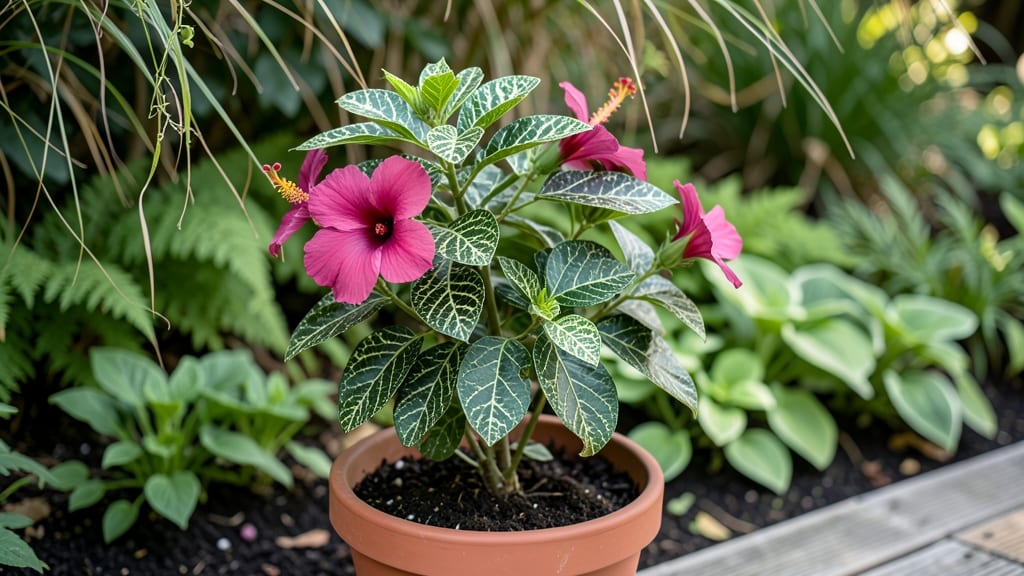
Transform your space with the braided hibiscus plant care secrets that turn your home into a lush, fragrant paradise. 🌿 The key to keeping those fragrant blooms and signature twisted trunks thriving lies in just a few essential habits—most people overlook the soil and light balance that makes all the difference.
You’ll need bright, indirect light (think east or south-facing windows) and a well-draining potting mix that mimics its natural habitat. The braided trunk is a trained feature, not a natural one, so gentle handling during pruning keeps it intact while encouraging bushier growth.
I’ve seen these plants go from struggling to showstopping in just 3 months with consistent care. The payoff is worth it: glossy, deep-green leaves, clusters of vibrant blooms, and that intoxicating scent that lingers in the air.
Even experienced gardeners admit this plant’s unique charm makes it worth the extra attention. Let’s tackle the basics first—soil, light, and water—before diving into pruning and troubleshooting. You’ll have a thriving braided hibiscus in no time.
📚 In This Guide
- What you need
- Instructions
- Tips and common mistakes
- Wrapping up and next steps
What you need
- ● Braided hibiscus plant: 1 healthy, mature plant (3–5 years old for best braiding results). Look for one with flexible stems (1/4"–1/2" thick).
- ● Well-draining potting mix: 5 gallons of a blend of: 60% peat moss or coconut coir
- ● 30% perlite or pumice
- ● 10% compost or worm castings
- ● Container: 1 large pot (18"–24" diameter) with drainage holes. Terra cotta or ceramic works best.
- ● Pruning shears: Sharp, sterilized shears (for trimming and shaping).
- ● Soft plant ties: 3–5 yards of stretchy fabric or rubber ties (to secure braids without cutting into stems).
- ● Balanced fertilizer: 10–10–10 or 20–20–20 (water-soluble, for feeding during growth).
- ● Mulch: 1–2 inches of bark or pine needles (to retain moisture and regulate soil temp).
- ● Slow-release fertilizer pellets (for convenience).
- ● Moisture meter (to monitor soil hydration).
- ● Plant support stakes (if braiding outdoors in windy areas).
- ● Neem oil or insecticidal soap (for pest prevention).
- ● Gloves (to protect hands from thorns or rough stems).
Step-by-step instructions for braided hibiscus plant care
Here's how I keep my braided hibiscus thriving with vibrant blooms and that signature tropical fragrance.
🌿 Step 1: Provide the Right Light and Temperature Balance
Braided hibiscus needs bright, indirect light—think 6-8 hours of morning sun followed by afternoon shade. A spot near an east-facing window works perfectly, or use sheer curtains to diffuse harsh afternoon rays. I've seen these plants wilt when exposed to direct midday sun for too long, so watch for leaf scorch along the edges.
Keep temperatures between 65-75°F during the day and no lower than 55°F at night. A heat lamp or space heater near the plant during winter helps prevent bud drop. If your home runs cooler, place it near an interior wall where heat naturally collects—you'll notice new growth slow down if it gets chilly.
💧 Step 2: Water with Precision to Avoid Root Stress
Water when the top 1-2 inches of soil feel dry to the touch. Stick your finger in—if it comes out clean, it's time to water. I use room-temperature water to avoid shocking the roots, and I always water until it drains freely from the bottom. Empty the saucer after 15 minutes to prevent soggy roots, which lead to yellowing leaves.
During summer, you might water every 2-3 days, but cut back to once a week in winter when growth slows. Overwatering is the fastest way to kill a braided hibiscus—drooping leaves that don't perk up after a drink are your first warning sign.
✂️ Step 3: Prune for Shape and Encourage Blooms
Prune right after flowering to maintain that iconic braided shape. Use clean, sharp pruners to trim back leggy stems by one-third—this prompts bushier growth and more blooms. I always cut just above a leaf node where new growth can sprout. Avoid heavy pruning in late summer, as the plant needs time to harden off before winter.
Remove spent blooms regularly—this is called deadheading—to redirect the plant's energy into new flowers. You'll see buds forming within 4-6 weeks if you keep up with this. If your plant looks too woody, a renewal prune in early spring (cutting back by half) can rejuvenate it completely.
🪴 Step 4: Fertilize for Vibrant Growth and Fragrance
Feed every 4-6 weeks during spring and summer with a balanced, water-soluble fertilizer (10-10-10 or similar). I mix it at half-strength to avoid burning the roots—over-fertilizing causes salt buildup that turns leaves crispy at the edges. During winter, skip fertilizing entirely since the plant rests.
For extra fragrance, add a low-nitrogen, high-phosphorus fertilizer (like 5-10-5) when buds form. You'll notice the scent intensify within 2-3 weeks of application. Always water before and after fertilizing to help the roots absorb nutrients evenly.
Tips & tricks for perfect braided hibiscus care
These simple strategies will help you keep your braided hibiscus thriving with vibrant blooms and that intoxicating fragrance all year.
Light Positioning: If you notice leaf scorch along the edges after those 6-8 hours of morning sun, it's a sign the afternoon rays are too harsh. Move your plant slightly farther from the window or add a sheer curtain to diffuse the light. I've found that rotating the plant every few weeks ensures even growth and prevents it from leaning toward the light source.
Temperature Adjustments: During winter, if your home dips below 55°F at night, consider moving the plant closer to an interior wall where heat naturally collects. A small space heater set to low can also help maintain that crucial temperature range without overheating the plant. I keep mine near a south-facing wall where the afternoon sun lingers, creating a naturally warmer microclimate.
Pruning Precision: When you're trimming back those leggy stems by one-third in Step 3, always cut just above a leaf node—this is where new growth will emerge. I use clean, sharp pruners and make the cut at a 45-degree angle to help water run off. For a more dramatic shape change, you can do a renewal prune in early spring, but be prepared for a period of recovery where the plant focuses on regrowing rather than blooming.
Fertilizer Timing: The 4-6 week feeding schedule works best when you fertilize right after watering—this helps prevent root burn from the concentrated nutrients. I've found that mixing my fertilizer at half-strength gives the plant exactly what it needs without overwhelming it. For extra fragrance, I switch to a low-nitrogen, high-phosphorus blend when I see buds forming, and I notice the scent becomes much more intense within those 2-3 weeks.
Pro Tips for Braided Hibiscus Plant Care
- These simple strategies will help you keep your braided hibiscus thriving with vibrant blooms and that intoxicating fragrance all year.
- Light Positioning: If you notice leaf scorch along the edges after those 6-8 hours of morning sun, it's a sign the afternoon rays are too harsh.
- Temperature Adjustments: During winter, if your home dips below 55°F at night, consider moving the plant closer to an interior wall where heat naturally collects.
Frequently asked questions
Got questions about keeping your braided hibiscus happy? You’re not alone!
Here are answers to the most common concerns—from pruning puzzles to pest problems—so you can enjoy that fragrant, lush beauty all year.
How often should I water my braided hibiscus?
Water your braided hibiscus when the top 1–2 inches of soil feel dry. Aim for deep watering 2–3 times per week during hot summers, but reduce to once a week in cooler months. Overwatering is a common killer—ensure pots have drainage holes to prevent soggy roots.
Can braided hibiscus survive winter indoors?
Yes! Move potted braided hibiscus indoors before temperatures drop below 50°F (10°C). Place it near a bright window (south or west-facing is ideal) and reduce watering. Avoid drafts or heating vents, which can dry out the air. A humidity tray or occasional misting helps too!
When and how should I prune my braided hibiscus?
Prune in early spring (before new growth) to shape the braids and encourage bushiness. Use clean, sharp shears to trim back overgrown stems by 1/3 of their length. Avoid heavy pruning in fall—this can stunt winter growth. Pro tip: Wipe shears with rubbing alcohol between cuts to prevent disease.
Why are the leaves yellowing or dropping?
Yellow leaves often signal overwatering or nutrient deficiency. Check the soil—if it’s soggy, reduce watering. Brown edges or crispy leaves? It’s likely underwatering or low humidity. Yellowing with black spots could mean pests (like spider mites) or fungal issues. Treat with neem oil or insecticidal soap if needed.
Are there low-maintenance alternatives to braided hibiscus?
If braided hibiscus feels too fussy, try these fragrant, hardy alternatives:
- Jasmine (Trachelospermum jasminoides): Thrives in shade, drought-tolerant.
- Gardenia (Gardenia jasminoides): Loves humidity, blooms white flowers.
- Plumeria (Frangipani): Drought-resistant, tropical vibes.
- Sweet Olive (Osmanthus): Cold-hardy, evergreen, and fragrant.
Wrapping up and next steps
Caring for your braided hibiscus is all about patience, consistency, and a little love—just like nurturing any treasured plant! 🌿 With the right balance of sunlight, water, and occasional pruning, you’ll be rewarded with stunning blooms and fragrant foliage that brighten up any space.
Don’t let setbacks discourage you; even veteran gardeners face challenges, and every leaf is a step toward success.
Now that you’re armed with these braided hibiscus plant care tips, why not share your progress with fellow plant enthusiasts? Snap a photo of your thriving plant, tag us, and let’s celebrate your green thumb together! 🌸