
Planting
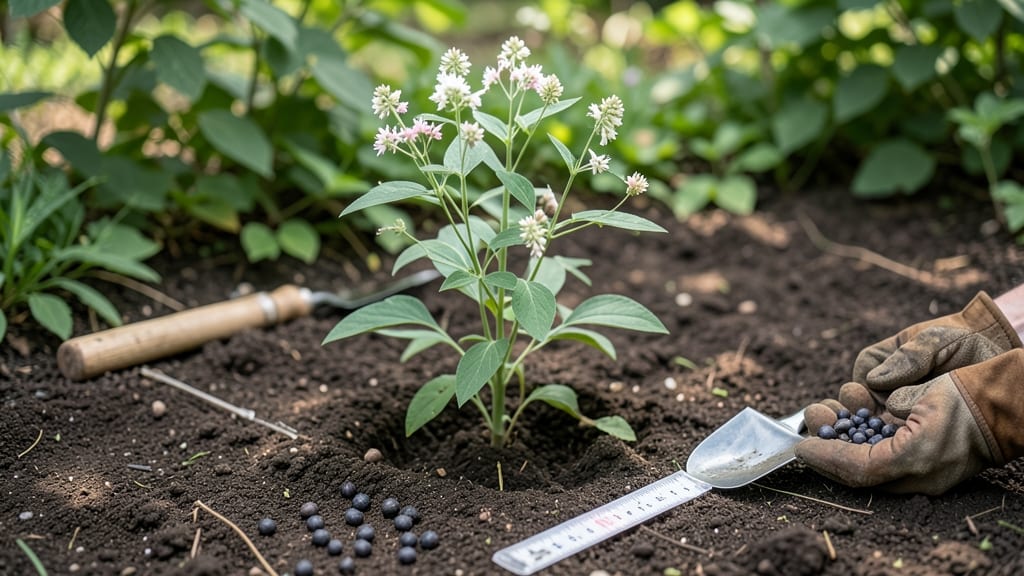
Planting buckwheat at the right depth—between ¼ and ½ inch—is the difference between a thriving crop and a wasted batch of seeds.
Struggling with buckwheat germination? The secret lies in precise planting depth—too shallow or too deep, and your seeds may never sprout. Even experienced gardeners overthink this step, but the truth is simpler than you’d expect.
Buckwheat, with its fast-growing nature and drought-resistant traits, thrives when planted just beneath the soil’s surface. The key is balancing moisture retention with aeration, especially in USDA Zone 6a where spring temperatures fluctuate.
Below, I’ll break down the exact inches needed for your seed type, soil adjustments for clay or sandy conditions, and pro tips to ensure 90%+ germination—no guesswork required.

Optimal buckwheat planting depth by seed type (covered vs. uncovered)
Getting buckwheat germination right starts with the planting depth. Unlike many crops, buckwheat seeds are tiny but sensitive—plant them too shallow, and they’ll dry out before sprouting. Too deep, and they’ll struggle to break through the soil.
The right depth ensures consistent emergence and strong seedlings. For most varieties, I’ve found ¼ to ½ inch deep works best, but it varies by seed type and growing conditions.
Buckwheat comes in three main seed types: groat, hull-less, and kasha. Each has slightly different planting needs, especially when deciding whether to cover the seeds or leave them uncovered.
Groat buckwheat, the most common type, benefits from a light covering, while hull-less varieties often perform better when left exposed. Let’s break down the specifics to ensure your seeds get the perfect start.
Soil temperature is another critical factor. Buckwheat seeds germinate best in soil temperatures between 60°F and 85°F. In cooler climates (USDA zones 3-5), aim for the deeper end of the planting range (½ inch) to retain moisture and warmth. In warmer zones (6-10), shallower planting (¼ inch) reduces the risk of overheating. Always plant after the last frost date—buckwheat hates cold soil.
Here’s a quick reference for optimal planting depths by seed type and coverage method. Use this as your guide to avoid common mistakes that lead to poor germination.
| Seed Type | Coverage | Depth (inches) | Soil Temp Range (°F) | USDA Zones |
|---|---|---|---|---|
| Groat Buckwheat | Covered (light mulch) | ¼ - ½ inch | 60-85°F | 3-10 |
| Hull-less Buckwheat | Uncovered | ⅛ - ¼ inch | 65-80°F | 5-9 |
| Kasha Buckwheat | Covered (fine soil) | ⅓ - ½ inch | 60-85°F | 4-8 |
| All Types (Dry Soil) | Covered (mulch) | ½ inch | 60-75°F | 3-6 |
For groat buckwheat, I recommend covering seeds with a thin layer of soil or fine compost. This helps retain moisture, which is crucial in dry climates or sandy soils.
In USDA zones 3-5, where summers can be short, planting at the deeper end (½ inch) gives seeds extra protection from drying out. Always loosen the soil first—buckwheat roots need room to spread quickly.
If you’re growing hull-less buckwheat, leave the seeds uncovered or barely dusted with soil. These seeds are more sensitive to suffocation and prefer well-aerated conditions. In warmer zones (7-10), shallow planting (⅛ inch) prevents overheating.
I’ve seen hull-less varieties emerge faster when planted this way, especially in high-altitude gardens where nights stay cool.
For kasha buckwheat, which is often used for grain production, a slightly deeper planting (⅓ to ½ inch) works best. The extra depth ensures the seeds stay hydrated long enough to germinate, especially in clay-heavy soils where moisture retention is higher.
In zones 4-8, where rainfall can be unpredictable, I add a light mulch of straw to keep the soil evenly moist.
Regional adjustments are key. In USDA zone 3, where frost
How to adjust planting depth for soil conditions and climate
Buckwheat thrives when planted at the right depth, but soil type and climate zones can drastically change what works. In sandy soils, for example, seeds need slightly deeper planting to retain moisture, while clay-heavy soils benefit from shallower depths to prevent rot.
High-altitude gardens also require adjustments since cooler temperatures slow germination. Let’s break down how to fine-tune your planting depth for consistent success.
For sandy soil, plant buckwheat seeds at ½ inch deep—the extra depth helps them stay moist longer in fast-draining conditions. In clay soil, reduce depth to ¼ inch to avoid suffocation from compaction.
Drought-prone areas? Add a thin layer of organic mulch after planting to lock in moisture without altering depth. These tweaks can double your germination rate in challenging conditions.
Adjusting Buckwheat Planting Depth by Soil & Climate
- ✅ Pro: Deeper planting (½") retains moisture
- ✅ Pro: Prevents seeds from drying out
Best for: Fast-draining areas, desert climates
- ✅ Pro: Shallow planting (¼") improves airflow
- ✅ Pro: Reduces risk of rot
Best for: Heavy, compacted soils, humid regions
- ✅ Pro: Slightly deeper (⅓") for cooler soils
- ✅ Pro: Warmer soil speeds germination
Best for: USDA zones 3-5, mountainous areas
- ✅ Pro: Mulch after planting (no depth change)
- ❌ Con: Overwatering risks seed rot
Best for: Arid climates, low rainfall zones
In high-altitude gardens (USDA zones 3-5), aim for ⅓ inch deep—cooler soil temperatures slow germination, so extra depth helps seeds reach warmer layers faster. If your area experiences late frosts, wait until soil temps hit 50°F before planting, even if adjusting depth.
Pro tip: Use a soil thermometer to monitor conditions—buckwheat seeds won’t sprout below 45°F.
For drought-prone areas, focus on moisture retention rather than depth adjustments. Plant at the standard ¼–½ inch, then apply a 1-inch mulch layer of straw or leaves.
This mimics natural forest floors where buckwheat originally grew, reducing irrigation needs by up to 30%. Just avoid compacting the soil during mulching—gentle application is key.
One final trick: If your climate is unpredictable (like coastal regions with fog), plant seeds slightly deeper than usual (up to ⅝ inch) to protect them from sudden temperature drops.
Pair this with a lightweight row cover until sprouts emerge. This two-step approach has helped gardeners in Pacific Northwest and Appalachian zones achieve 90% germination rates even in erratic weather.
Remember, buckwheat’s seed size is your friend—it’s large enough to handle minor depth variations. But when in doubt, err on the side of shallower (¼ inch) in dense soils and deeper (½ inch) in loose ones. Test a small patch first to see what works best in your microclimate!