
Planting
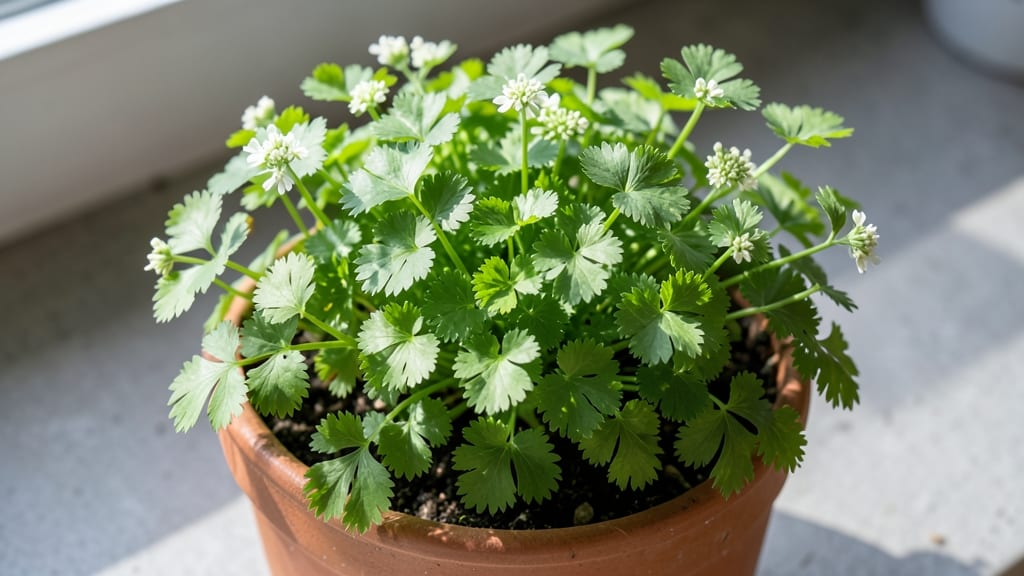
Cold-stressed cilantro seedlings transform into vibrant, healthy plants when you follow this one simple trick. 🌱 I’ve grown cilantro for years, and the difference between wimpy, bolting plants and lush, flavorful harvests comes down to light management—not just soil or water.
Most gardeners overlook how cilantro reacts to heat, but a few adjustments keep it thriving all season.
The secret lies in partial shade during hot afternoons and consistent moisture—never let the soil dry out completely. Cilantro hates stress, so mulch lightly to retain dampness and prevent bolting.
I’ve seen seedlings that looked doomed recover within 3-5 days of these tweaks, producing fresh leaves for weeks instead of bolting prematurely.
You’ll end up with bold, dark-green leaves that stay tender and flavorful, perfect for garnishes or cooking. The plants grow steadily, resisting common pests like aphids when healthy. This method works for both container gardens and in-ground beds, making it adaptable to any space.
Even in Zone 7 heat, cilantro thrives with these adjustments—no fancy equipment needed. The key is patience and observation. Start with a small batch to test your conditions, then scale up as confidence grows. Your kitchen will never lack fresh cilantro again.
📚 In This Guide
- What you need
- Instructions
- Tips and common mistakes
- Wrapping up and next steps
What you need
- ● Cilantro seeds: 1 packet (about 1,000 seeds) – choose organic, non-GMO seeds for best results.
- ● Seed-starting mix: 1 bag (1.5–2 cubic feet) – opt for a lightweight, sterile potting mix with good drainage.
- ● Containers: 2–4 small pots (4–6 inches deep) or a seed tray with cells – ensure they have drainage holes.
- ● Watering can or spray bottle: with a fine mist nozzle for gentle hydration.
- ● Plastic wrap or humidity dome: to retain moisture during germination.
- ● Garden trowel or small shovel: for transplanting seedlings.
- ○ Grow lights or sunny windowsill: 6–8 hours of light daily (optional but helpful for indoor growth).
- ● Fertilizer (balanced, 10-10-10 or organic): a small bottle for post-germination feeding.
- ● Cold frame or frost cloth: to protect seedlings from unexpected chills (especially for outdoor planting).
- ● Pruning shears: for harvesting leaves without damaging the plant.
Step-by-Step guide to growing a thriving cilantro plant
Here's how to coax robust, bolt-resistant cilantro that stays lush from seed to harvest.
🌱 Step 1: Start Seeds Indoors With Cold Treatment
Cilantro seeds need a 10-14 day cold stratification to break dormancy—this mimics winter conditions and prevents early bolting. Fill a 4-inch pot with moistened seed-starting mix (not garden soil) and press it down until firm. Plant seeds ¼ inch deep, spacing them ½ inch apart in rows.
Cover the pot with plastic wrap and refrigerate for 10 days. Check daily—seeds should sprout within 7-10 days after cold treatment. The key here is patience: rushing germination leads to weak, leggy seedlings that bolt faster. Keep the soil consistently moist but never soggy during this period.
☀️ Step 2: Move to Warm Light After Germination
Once seedlings emerge, transfer the pot to a warm, sunny windowsill (65-75°F). Cilantro hates temperature swings—if your home runs cooler, supplement with a grow light kept 4 inches above the plants for 12-14 hours daily. You'll know your setup is right when seedlings develop bold, dark green cotyledons within 5-7 days.
Thin to the strongest seedling per 1-inch spacing once true leaves appear. Use scissors to snip weak stems at soil level—this prevents disturbing roots. Water at the base only (never overhead) to avoid fungal diseases like damping-off, which turns stems black and mushy.
🪴 Step 3: Transplant to Larger Containers for Airflow
After 4-6 weeks, move seedlings to 6-inch pots filled with well-draining potting mix. Cilantro roots need space—crowding stresses plants and triggers bolting. Gently loosen roots before transplanting to encourage outward growth. Place pots in partial shade (3-4 hours of morning sun) for the first week to reduce transplant shock.
Here's the trick: bury stems deeper than they were in the seedling pot. The extra soil encourages stronger root development at the base. Water thoroughly after transplanting, then let the top ½ inch of soil dry between waterings. Overwatering causes root rot, which turns leaves yellow and stunted.
✂️ Step 4: Prune and Harvest Regularly
Cilantro bolts when stressed—harvest leaves every 2-3 weeks to encourage bushier growth. Pinch back flowering stems immediately if they appear (they look like tiny white umbrellas). Use clean scissors to snip just above a leaf node—this redirects energy to leaf production instead of seed formation.
For maximum yield, harvest outer leaves first, leaving the inner growth intact. You'll see new leaves fill in within 7-10 days. If plants start flowering despite precautions, pull them immediately—once cilantro bolts, leaves turn bitter and inedible. This aggressive pruning keeps your cilantro productive for 8-10 weeks before needing replanting.
🌿 Step 5: Extend Season With Successive Plantings
Cilantro thrives in cool weather—sow new seeds every 2-3 weeks from early spring to late summer for continuous harvests. Use the same cold treatment for each batch. In warm climates, grow cilantro in fall or winter when temperatures drop below 75°F. Mulch pots with ½ inch of straw to retain moisture and regulate soil temperature.
Watch for pests like aphids (tiny green bugs on stems) or spider mites (yellow speckling on leaves). Spray affected plants with neem oil weekly until pests disappear. With this method, you'll have 4-6 weeks of harvestable cilantro per planting cycle—far longer than the 3-week window most gardeners get.
Tips & tricks for perfect cilantro growth
Between us, growing cilantro that stays fresh and flavorful for weeks instead of days is all about understanding its quirks—and I've learned them the hard way after watching batches bolt within weeks. Here's what actually works.
Cold Treatment Precision: That 10-14 day cold stratification in Step 1 isn't just a suggestion—it's non-negotiable for breaking dormancy. I've found that using a small refrigerator drawer with a humidifier tray (covered with damp paper towels) creates ideal conditions without overwatering. The goal is consistent moisture, not soggy soil. Check seeds daily after day 7—if they haven't sprouted, give them 3 more days before considering replanting.
Lighting Strategy: The 65-75°F range in Step 2 is crucial, but don't assume your windowsill qualifies. Test your setup first: hold a thermometer near the plants for 24 hours. If it drops below 65°F, supplement immediately with a grow light on a timer. I use a simple LED clip light on 12-hour cycles—it's the difference between lush growth and sad, etiolated seedlings that bolt within weeks.
Transplanting Technique: When moving to 6-inch pots in Step 3, I've discovered that burying stems deeper than their original height isn't just about root development—it's about stability. Use your finger to create a small trench around each stem before pressing soil gently. This prevents the plant from toppling over when you water, which stresses cilantro enough to trigger bolting. Water thoroughly after transplanting, then let the top ½ inch dry before watering again—this mimics natural rainfall patterns.
Harvesting Hack: That 2-3 week harvest window in Step 4 is flexible, but timing matters. Harvest in the morning after dew has dried but before the sun peaks—this is when leaves contain the most volatile oils (the compounds that make cilantro taste fresh). Use sharp scissors to cut stems at a 45-degree angle just above a leaf node. This encourages branching and gives you more harvests over the 8-10 week window.
Pro Tips for Healthy Cilantro Plant
- Between us, growing cilantro that stays fresh and flavorful for weeks instead of days is all about understanding its quirks—and I've learned them the hard way after watching batches bolt within weeks.
- Cold Treatment Precision: That 10-14 day cold stratification in Step 1 isn't just a suggestion—it's non-negotiable for breaking dormancy.
- Lighting Strategy: The 65-75°F range in Step 2 is crucial, but don't assume your windowsill qualifies.
Frequently asked questions
Got questions about growing a healthy cilantro plant?
Here are answers to the most common ones—so you can avoid common pitfalls and keep your cilantro thriving!
Why does my cilantro bolt so quickly?
Cilantro bolts (goes to seed) fast due to heat or long daylight. To delay bolting, plant in cool weather (spring/fall) or use shade cloth. Choose slow-bolting varieties like 'Calypso' or 'Santo' for extra time. Water consistently—drought stress speeds up bolting too!
How long does it take for cilantro to grow from seed?
Cilantro sprouts in 5–10 days and reaches harvest size (3–6 inches) in 4–6 weeks. For faster growth, keep soil temps 60–70°F and thin seedlings to 6–8 inches apart. If nights stay warm, it may bolt before you harvest—watch closely!
Can I grow cilantro indoors without sunlight?
Yes! Use a grow light (12–16 hrs/day) 6–12 inches above seedlings. A sunny windowsill works too, but rotate pots weekly for even growth. Avoid drafts (like AC vents) and keep humidity moderate. Dwarf varieties like 'Slow Bolt' are ideal for containers.
What’s eating my cilantro leaves?
Common culprits: aphids, spider mites, or deer. Spray leaves with neem oil or insecticidal soap for pests. For deer, use fencing or repellents. If leaves look chewed but no pests are visible, rabbits might be the culprit—check at dusk!
What can I substitute if cilantro wilted or bolted?
Try flat-leaf parsley (milder taste), coriander seeds (toasted for flavor), or basil in small amounts. For a cilantro-like zing, blend 1 tsp lime zest + 1 tbsp mint into dressings. If you’re desperate, dried cilantro (less potent) works in spice blends!
Wrapping up and next steps
Growing a healthy cilantro plant is simpler than you think—especially with the cold-stress trick to boost resilience! By following these steps, you’ll enjoy fresh, vibrant cilantro packed with flavor and nutrients. The key? Patience and consistency—whether you’re a beginner or a seasoned gardener.
Ready to take the next step? Start your seeds today and watch your garden thrive! Share your progress with fellow plant lovers or experiment with other cold-hardy herbs like parsley or dill. Happy growing! 🌱✨