
Planting
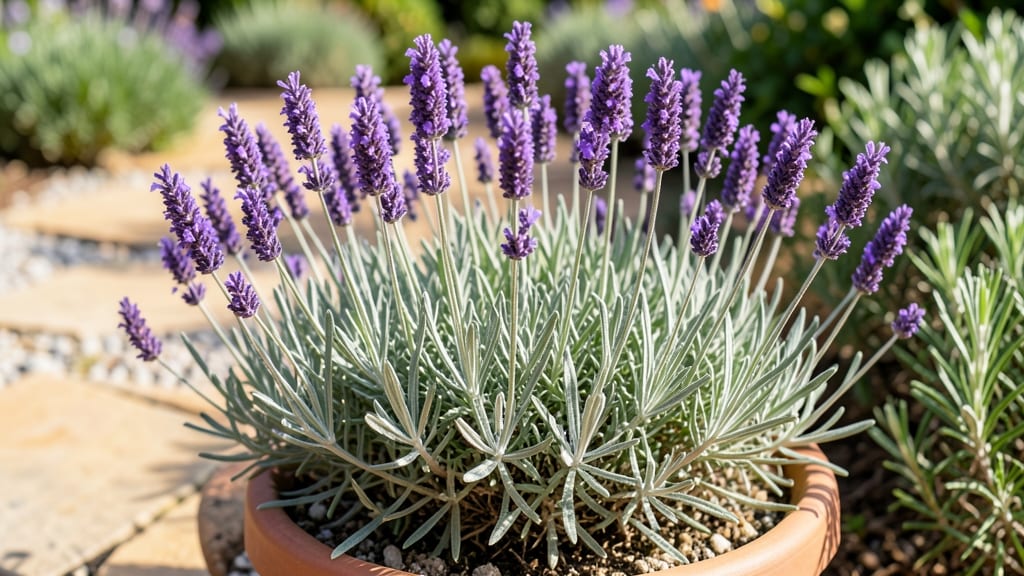
Growing a healthy lavender plant starts with the right spot and soil—think full sun and fast-draining earth, not soggy roots. 🌞 I’ve turned my sunniest corner into a purple-perfume haven by mimicking lavender’s Mediterranean home, and the difference is night-and-day compared to my first overwatered attempts.
The secret lies in three simple habits: watering only when the soil is bone-dry, pruning after flowering to keep the shape tight, and using well-draining soil with gritty sand or gravel.
Most people drown lavender, but once you let the roots breathe, the plant rewards you with that signature fragrance and silvery foliage. By summer’s end, your lavender will be lush, fragrant, and thriving—perfect for cutting, sachets, or just admiring.
The key is patience; lavender grows slowly but lives for decades if cared for right. Works in containers or garden beds, even in hot climates where other plants wilt. Here’s how to keep yours happy all season long.
📚 In This Guide
- What you need
- Instructions
- Tips and common mistakes
- Wrapping up and next steps
What you need
- ● Lavender plants: 1-3 English lavender (Lavandula angustifolia) or French lavender (L. dentata) (hardy, fragrant varieties).
- ○ Optional: Spanish lavender (L. stoechas) for unique blooms (needs slightly more care).
- ● Well-draining soil: 5-10 gallons of cactus/succulent mix or garden soil amended with 30-50% perlite/pumice (critical for root health!).
- ● Pot or garden bed: Containers: 12-18" diameter pots with drainage holes (terracotta or fabric).
- ● In-ground: Full-sun spot with 6+ hours of direct sunlight daily (lavender hates soggy roots!).
- ● Sunlight: Minimum 6 hours of full sun (south-facing windows or outdoor exposure).
- ● Watering can or hose: With a gentle spray nozzle (lavender despises wet foliage!).
- ● Pruning shears: Sharp, clean pair (sterilize with rubbing alcohol between cuts).
- ● Mulch: Gravel or coarse sand (1-2" layer around plants to improve drainage).
- ● Fertilizer: Low-nitrogen, balanced formula (e.g., 5-5-5) or compost tea (use sparingly—lavender thrives on neglect!).
- ● pH test kit: Ideal soil pH: 6.5–7.5 (adjust with lime or sulfur if needed).
- ● Support stakes: For tall varieties (e.g., Lavandula x intermedia) to prevent flopping.
- ● Harvesting scissors: For snipping stems (leave at least ⅓ of the plant intact).
Step-by-Step guide to cultivating a thriving lavender garden
Sun-loving lavender thrives with the right balance of light, soil, and care—here's how to coax out that signature fragrance and vibrant purple.
🌱 Step 1: Select the Perfect Sunny Spot and Prepare the Soil
Lavender demands full sun—at least 6-8 hours daily—so choose a south or west-facing location with well-draining soil. I always test drainage by digging a hole, filling it with water, and watching it drain within 1 hour. If water pools, amend the soil with sand or gravel to improve aeration.
Lavender hates soggy roots, so avoid low-lying areas where moisture lingers. The ideal soil mix is 60% garden soil, 30% coarse sand, and 10% perlite. Spread a 2-inch layer of gravel at the bottom of planting holes to create extra drainage. This prevents root rot, which is lavender's biggest enemy.
☀️ Step 2: Plant at the Right Depth and Spacing
Dig holes twice as wide as the root ball but only as deep as the container—lavender roots are shallow and sensitive to burial. Gently remove plants from their nursery pots and tease apart any circling roots. Place each plant so the top of the root ball sits just below soil level—burying the crown too deep suffocates the plant.
Space plants 18-24 inches apart for dwarf varieties and 3-4 feet apart for larger types like English lavender. Crowding leads to poor airflow and fungal issues. After planting, water deeply to settle the soil, but avoid creating mud—lavender dislikes wet feet. You'll know the roots are happy when new growth appears within 4-6 weeks.
💧 Step 3: Water Deeply but Infrequently
Lavender thrives on neglect—overwatering is the fastest way to kill it. Water only when the top 2 inches of soil feel dry, which might mean once every 1-2 weeks in hot climates or every 3-4 weeks in cooler regions. I use a soaker hose to deliver water slowly at the base, avoiding wetting the foliage.
Once established, lavender stores moisture in its woody stems, so it rarely needs supplemental water. Yellowing leaves usually signal overwatering, while crispy edges mean it's thirsty. Mulch lightly with gravel or small rocks to retain moisture without smothering the plant—organic mulch like wood chips holds too much moisture and invites rot.
✂️ Step 4: Prune for Shape and Health
Prune lavender right after flowering to encourage bushier growth. Use clean, sharp shears to trim back one-third of the current year's growth, cutting just above a set of leaves. Avoid cutting into old wood—the plant won't regenerate from there. I prune in early summer to allow time for new growth before winter.
Never prune lavender in fall or winter—it needs its foliage to insulate against cold. Deadheading spent blooms in spring keeps the plant tidy and redirects energy to new growth. If your lavender looks leggy, it's likely not getting enough light—move it to a sunnier spot immediately. Proper pruning rewards you with denser foliage and more abundant blooms the following year.
⏰ Step 5: Protect and Maintain Through Seasons
Lavender is hardy but benefits from winter protection in cold climates. After the first frost, trim back any dead foliage and cover the base with 2-3 inches of mulch or burlap to shield roots from freezing temperatures. In spring, remove the protection once new growth appears—usually by late March or April, depending on your zone.
Fertilize lightly in early spring with a low-nitrogen, balanced fertilizer (like 5-10-5). Too much nitrogen produces leafy growth at the expense of flowers. Watch for pests like spider mites or aphids—spray with neem oil if you spot webbing or sticky residue. A healthy lavender plant should have silvery-green foliage, sturdy stems, and fragrant blooms that last for weeks.
Tips & tricks for perfect lavender cultivation
Here's what nobody tells you about growing lavender that'll make all the difference between a struggling plant and a thriving garden centerpiece.
Soil Test First: That drainage test in Step 1 is non-negotiable. I've seen lavender plants die within weeks of planting because the soil wasn't properly amended. Dig that hole, fill it with water, and wait for complete drainage—if it takes longer than 1 hour, you absolutely need to add more sand or gravel. The 60-30-10 soil mix ratio is ideal, but if you're working with heavy clay, consider raising beds to ensure proper aeration at the roots.
Planting Depth Secret: The instructions mention placing the root ball just below soil level, but here's the thing: if your container has drainage holes, the root ball might already be slightly elevated. In this case, plant so the top of the root ball sits exactly at soil level—any deeper and you'll suffocate the plant, any higher and it'll dry out. I use a level to check this, especially with larger varieties.
Watering Confidence: The "top 2 inches dry" rule is perfect, but I've found a better way to check: stick your finger about 2 inches deep. If it feels completely dry, water thoroughly. If it's still slightly moist, wait another day. This method accounts for different soil types better than just feeling the surface. And remember, in Step 3, that soaker hose should deliver water slowly—lavender hates soggy soil as much as it loves sun.
Pruning Precision: When you're trimming back one-third of the growth in Step 4, look for the woody stems—those are your guides. Cut just above a set of leaves where the stem starts to thicken. I always make my cuts at a slight angle to prevent water from pooling on the stem. For established plants, you can actually prune twice a year: once right after flowering and again in early spring to shape before the growing season.
Pro Tips for Healthy Lavender Plant
- Here's what nobody tells you about growing lavender that'll make all the difference between a struggling plant and a ...
- Soil Test First: That drainage test in Step 1 is non-negotiable. I've seen lavender plants die within weeks of planti...
- Planting Depth Secret: The instructions mention placing the root ball just below soil level, but here's the thing: if...
Frequently asked questions
Got questions about keeping your lavender plant thriving?
Here are some of the most common concerns—plus quick fixes to keep your purple beauty blooming beautifully.
How often should I water my lavender plant?
Lavender is drought-tolerant, so overwatering is the #1 killer. Water deeply only when the top 2-3 inches of soil are bone-dry—usually every 1-2 weeks (less in winter). Use well-draining soil and a pot with drainage holes to prevent root rot.
When is the best time to prune lavender?
Prune right after flowering (late spring to early summer) to encourage bushier growth. Avoid heavy cuts—stick to 1/3 of the plant’s height max. Never prune in fall or winter, as new growth won’t harden off before cold weather.
Can lavender grow indoors? What’s the trick?
Yes, but it’s tricky! Place it in a sunny south-facing window (6+ hours of light daily) or under a grow light. Use a small pot (lavender hates being root-bound) and keep humidity low. If leaves yellow, it’s likely overwatering or poor drainage.
Why are my lavender leaves turning yellow or brown?
Yellow leaves = overwatering or poor drainage; brown tips = underwatering or fluoride in tap water (use rainwater or distilled water if needed). Check soil moisture and ensure your pot has drainage holes.
What can I plant near lavender for a fragrant garden?
Lavender loves companions like rosemary, thyme, sage, and catmint—all drought-tolerant and pest-repelling. Avoid heavy feeders like tomatoes or peppers, which compete for nutrients. For a low-maintenance bed, stick to Mediterranean herbs!
Wrapping up and next steps
Growing a healthy lavender plant is all about embracing its natural love for sun, well-draining soil, and minimal fuss! 🌞 With the right care—like pruning, proper spacing, and avoiding overwatering—you’ll soon enjoy fragrant blooms and a thriving garden centerpiece.
Whether you’re a beginner or a seasoned gardener, lavender rewards patience with stunning purple hues and soothing aromas.
Ready to take the next step? Start small:
- Pick a sunny spot in your yard or balcony.
- Grab a few lavender plants (or seeds) and the essentials from our materials list.
- Roll up your sleeves and plant—your future purple paradise awaits! 🌿