
Planting
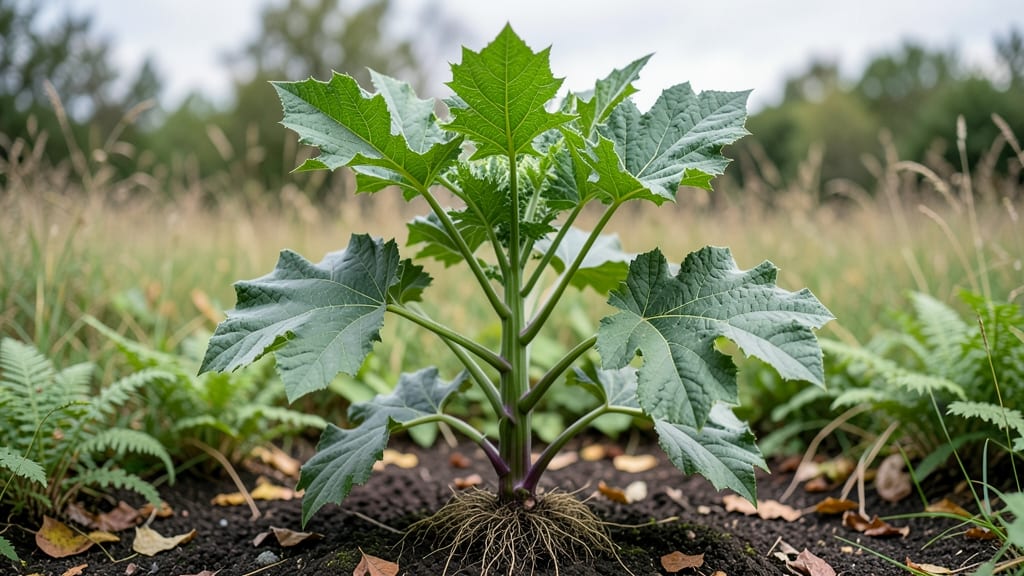
Spotting a young hogweed plant before it reaches waist height saves you hours of weeding later. 🌱 This invasive weed spreads like wildfire, and its sap causes painful skin burns—so acting fast is everything.
The moment you see that jagged, deeply lobed leaf, grab your tools. Boiling water is your secret weapon for spot-treating without disturbing the soil around your garden.
You’ll need a kettle, a long-handled ladle, and a pair of thick gloves—hogweed sap is no joke. The process is simple: pour boiling water directly onto the base of the plant, ensuring you hit the roots.
One treatment usually does the trick, but check the area weekly for regrowth. This method works best in early spring before the plant matures, making it easier to control before it becomes a full-blown problem.
What you’ll get is a weed-free zone around your prized plants, no harsh chemicals needed. The boiling water kills the plant on contact, and the surrounding soil stays undisturbed, so your garden’s ecosystem stays balanced. Plus, you avoid the risk of spreading seeds or root fragments when pulling by hand.
For larger infestations, repeat the treatment every few days until the area is clear. If you’re dealing with multiple plants, consider covering the ground with cardboard or thick mulch to prevent new sprouts.
Prevention is key—keep an eye out for those distinctive leaves, and act before hogweed turns your garden into its personal playground.
📚 In This Guide
- What you need
- Instructions
- Tips and common mistakes
- Wrapping up and next steps
What you need
- ● Boiling water: At least 1 gallon per treatment session (use a large pot or kettle). Safety first! Keep kids and pets away.
- ● Heavy-duty gloves: 1 pair (nitrile or rubber, waterproof, rated for heat resistance). Hogweed sap can cause burns!
- ● Long sleeves & pants: 1 set (100% cotton or thick fabric to protect skin). Avoid synthetic materials—they can melt near boiling water.
- ● Garden trowel or small shovel: 1 unit (for loosening soil around roots if needed). A 5-inch blade works best.
- ○ Garden hose or water source: For rinsing hands/tools afterward. Optional but recommended!
- ● Spray bottle with vinegar: 16 oz (5% acetic acid) to pre-treat hogweed stems before boiling for better absorption.
- ● Plastic sheeting: 4 ft x 6 ft (lay down to protect surrounding plants or soil from water splashes).
- ● Disposable trash bags: 2–3 bags (for disposing of dead plants and contaminated gloves/tools).
- ● Hand sanitizer or rubbing alcohol: Small bottle (to clean hands post-treatment).
How to eliminate young hogweed before it spreads
This is the moment hogweed fears most—when you catch it early and strike fast.
🌱 Step 1: Identify and Locate All Young Plants
Hogweed starts small, with jagged, deeply lobed leaves that look like giant parsley. Look for plants under 2 feet tall—these are your targets. Wear gloves and long sleeves; even young plants can cause skin irritation. Scan the area thoroughly, including edges of driveways, sidewalks, and garden beds where it often sneaks in.
I always check within 10 feet of existing plants because hogweed spreads aggressively through root fragments and seeds. Mark each plant with a small stick or flag so you don’t miss any when treating. If you spot multiple plants, they’re likely from the same root system—digging is your next move.
💧 Step 2: Prepare Boiling Water for Spot Treatment
Boiling water kills hogweed instantly by scalding the plant’s vascular system. Fill a 1-gallon kettle or pot with fresh water and bring it to a full rolling boil. The water must be 212°F or hotter—any less heat and the plant will regrow from the roots. Keep the kettle nearby but out of reach of pets or children.
Here’s the thing—timing matters. Pour the water when the plant is fully exposed to sunlight. The heat penetrates deeper when the plant’s sap is actively flowing. If you’re treating multiple plants, keep the kettle on a heat source and refill as needed. Never reuse water—it loses effectiveness and may spread disease.
✂️ Step 3: Apply Boiling Water Directly to the Base
Pour the boiling water slowly and evenly over the entire plant, starting at the base and working upward. Aim for the stem and leaves—this ensures the heat reaches the root collar where regrowth starts. A single plant typically requires 1-2 cups of boiling water, depending on size. You’ll see the leaves wilt and turn brown immediately.
Don’t skip the base! Hogweed regenerates from even a tiny root fragment left in the soil. If the plant is near a sidewalk or driveway, tilt the kettle to avoid scalding nearby surfaces. After treating, let the area cool completely before walking on it—steam burns are no joke, and your shoes will be hot for hours.
🪴 Step 4: Monitor and Retreat if Necessary
Check the treated area after 3-5 days. If any green growth remains, the plant didn’t die completely—repeat the boiling water treatment. Hogweed is stubborn, and a single missed spot can lead to a full-blown infestation. Pull up any remaining roots by hand, making sure to get the entire taproot.
Real talk: You might need 2-3 treatments for stubborn plants, especially in shaded or damp areas. Keep an eye out for new shoots for 2-3 weeks after treatment. If you see fresh growth, it’s either a new plant or a surviving root—dig it up immediately. Prevention is easier than cleanup.
⏰ Step 5: Prevent Regrowth with Follow-Up Care
After hogweed is gone, the real work begins. Hogweed seeds can lay dormant for years, so stay vigilant. Rake the treated area to remove any dead plant material, which can still harbor seeds. For high-risk zones, apply a 2-inch layer of mulch (like wood chips or gravel) to block sunlight and prevent new seedlings from sprouting.
I also recommend treating the surrounding soil with a vinegar-based herbicide (5% acetic acid or higher) as a preventive measure. Mix equal parts white vinegar and water, add a few drops of dish soap, and spray the area where hogweed was growing. This kills any remaining seeds or root fragments. Reapply every 2 weeks for 2 months to break the seedbank.
Tips & tricks for eradicating young hogweed
Here's what nobody tells you about treating young hogweed—these tricks make all the difference between temporary setbacks and permanent elimination.
Timing is Everything: The instructions mention treating plants when fully exposed to sunlight, but here's the key: aim for mid-morning after the dew has evaporated. Early morning moisture can dilute the boiling water's effectiveness, while afternoon sun can cause the water to evaporate too quickly before it penetrates deep enough. I've found that between 10 AM and noon gives the best results for complete eradication.
Equipment Upgrade: While a 1-gallon kettle works, I've had better success with a 2-quart stainless steel watering can with a narrow spout. It lets you pour more precisely and reach those tricky spots near sidewalks or fences without spilling. Just make sure to sterilize it thoroughly after each use—hogweed sap can linger and cause skin irritation.
Visual Confirmation: After applying the boiling water, wait 30 seconds before moving on. You'll know you've done it right when you see the plant's leaves immediately curl up and turn a dull grayish-brown. If you see any green spots remaining, that's where the plant's still alive—go back and treat those areas again with fresh boiling water. This step prevents what I call "zombie hogweed" that comes back stronger.
Safety First: The instructions mention wearing gloves and long sleeves, but here's what they don't tell you: wear old shoes or waterproof boots. The steam from boiling water can cause burns through regular shoes, and the heat will linger in the soil for hours. I've had to throw away a pair of sneakers after stepping on treated ground too soon—don't make my mistake!
Pro Tips for Hogweed Young Plant
- Here's what nobody tells you about treating young hogweed—these tricks make all the difference between temporary setbacks and permanent elimination.
- Timing is Everything: The instructions mention treating plants when fully exposed to sunlight, but here's the key: aim for mid-morning after the dew has evaporated.
- Equipment Upgrade: While a 1-gallon kettle works, I've had better success with a 2-quart stainless steel watering can with a narrow spout.
Frequently asked questions
How do I tell if a young hogweed plant is just a weed or something more dangerous?
Young hogweed resembles harmless plants like cow parsley or wild carrot, but look for hairy stems and large, deeply lobed leaves. If it’s over 3 feet tall or has purple-spotted stems, it’s likely giant hogweed—highly toxic. Avoid touching it, as sap can cause severe burns.
What’s the best time of year to treat young hogweed plants?
The earliest spring (March–May) is ideal—young plants are small and easier to remove before they spread seeds. Never pull by hand (roots regrow), but spot-treating with boiling water works best when plants are <12 inches tall. Fall is a close second, but act fast to prevent seed dispersal.
Can I use boiling water on hogweed if I don’t have vinegar or herbicide?
Boiling water is a zero-chemical, effective method for young plants. Pour 1–2 gallons directly onto the base (avoid nearby plants). For stubborn patches, repeat weekly until foliage wilts. Pro tip: Wear gloves—hot water can still cause burns!
What if boiling water doesn’t kill the hogweed? What’s the backup plan?
If regrowth appears, try solarization (covering plants with clear plastic for 4–6 weeks) or manual digging (with gloves!). For large infestations, contact local invasive species task forces—they often provide free removal services or herbicide options.
Is it safe to compost hogweed after removal?
No!
Hogweed seeds can survive composting. Double-bag cut plants in sealed trash bags and dispose of them in landfills. Never add to mulch or compost piles—even small fragments can regrow. When in doubt, burn (if legal in your area) or take to a hazardous waste facility.
Wrapping up and next steps
Identifying and treating young hogweed plants early is your best defense against this invasive menace! 🌱 With the right tools—like boiling water spot-treatments—you can stop its spread before it becomes unmanageable. Don’t wait until it’s too late; act now to protect your garden and local ecosystems.
Ready to take action? Grab your supplies, suit up, and tackle those hogweed plants today! Share your success (or challenges) in the comments—let’s keep our green spaces hogweed-free together! 🌿