
Planting
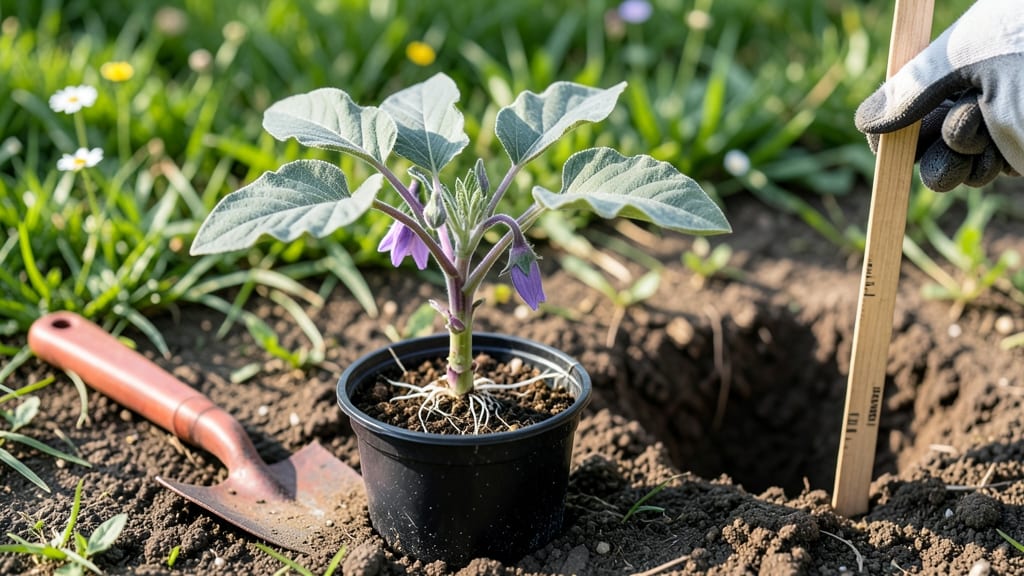
Planting eggplant seeds at the right depth is the key to strong, healthy starts that translate into a bountiful summer harvest 🍆 — and most gardeners either bury them too deep or leave them too close to the surface.
Struggling with weak eggplant seedlings? The depth at which you plant your seeds can make the difference between a thriving harvest and wasted effort—and most gardeners get it wrong.
Here’s the science-backed trick: eggplant seeds need to be planted ¼ to ½ inch deep in warm, well-drained soil to germinate reliably. Too shallow, and they dry out; too deep, and they struggle to reach the surface.
Below, I break down the exact planting depth for your climate, how to prep soil for faster germination, and the 3 critical care steps to keep those seedlings thriving once they sprout.

Optimal eggplant seed planting depth for maximum germination success
Struggling with weak eggplant seedlings? The depth at which you plant your seeds can make the difference between a thriving harvest and wasted effort—and most gardeners get it wrong. Eggplant seeds are delicate and require precise planting depth to germinate consistently.
Planting too deep can suffocate young sprouts, while planting too shallow exposes seeds to drying out. The sweet spot for eggplant seeds is between ¼ to ½ inch, but several other factors—like soil temperature and moisture—play critical roles in success.
Eggplant seeds need warm soil to germinate, ideally between 70°F and 90°F. If your soil is cooler than 60°F, germination slows dramatically or fails entirely. This is why many gardeners start seeds indoors 4-6 weeks before the last frost date.
Even in warm climates, waiting until soil temperatures stabilize above 70°F ensures stronger seedlings. A soil thermometer is your best friend here—don’t guess!
Moisture retention is another game-changer for eggplant seed germination. Seeds planted at the correct depth need consistent moisture but avoid waterlogging, which can cause rot. After planting, keep the soil evenly moist (not soggy) until germination occurs, typically within 7-14 days.
A light layer of mulch helps retain moisture and regulate soil temperature, creating the perfect environment for those tiny sprouts to push through.
| Factor | Ideal Condition | Why It Matters |
|---|---|---|
| Planting Depth | ¼ to ½ inch | Balances light exposure and moisture retention for sprouts. |
| Soil Temperature | 70°F–90°F | Cooler soil delays or prevents germination entirely. |
| Moisture Level | Evenly moist (not soggy) | Dry soil = failed germination; waterlogged soil = rot. |
| Soil Type | Well-draining, loamy | Sandy or clay-heavy soil disrupts moisture and nutrient availability. |
| Light Exposure | Bright, indirect light | Direct sun can overheat seeds; seedlings need gradual acclimation. |
One of the most common mistakes I see is planting eggplant seeds too deep. Many gardeners assume deeper planting means better moisture retention, but eggplant seeds need light to trigger germination. Planting deeper than ½ inch can lead to weak, leggy seedlings that struggle to reach the surface.
Conversely, planting too shallow (less than ¼ inch) exposes seeds to rapid drying, especially in hot or windy conditions. Always use a seed spacing tool or ruler to ensure precision—your future harvest depends on it!
Another critical factor is seedling strength after germination. Eggplants are sensitive to temperature fluctuations, so avoid planting them outdoors until nighttime temperatures stay above 60°F. If you’re in a cooler climate, consider using a seedling heat mat ($15–$25) to maintain optimal soil warmth.
These mats plug into outlets and keep soil temperatures steady, accelerating germination by 30–50% compared to unheated soil.
Let’s talk about moisture retention for a moment. Eggplant seeds need consistent hydration but hate soggy conditions. After planting, water gently to settle the soil, then maintain moisture by watering at the base of seedlings (not overhead).
Overhead watering can dislodge seeds or wash them away, while bottom watering ensures roots stay hydrated without disturbing the soil. A light mulch layer (like straw or shredded leaves) helps lock in moisture and insulate the soil, creating the ideal environment for strong, healthy sprouts.
If you’re growing eggplants in containers or raised beds, adjust your planting depth slightly. Container soil dries out faster, so planting ¼ inch deep and monitoring moisture closely is key. Use a well-draining potting mix with added compost to retain moisture while preventing waterlogging.
In raised beds, you can plant up to ½ inch deep, but ensure the bed has good drainage to avoid rot. Always test your soil’s moisture by sticking your finger 1 inch deep—if it feels dry, it’s time to water.
Finally, be patient and watch for signs of germination. Eggplant seeds typically sprout within 7–14 days, but some varieties (like Black Beauty) can take up to 21 days in cooler conditions.
If you don’t see sprouts after 3 weeks, the seeds may have failed due to improper depth, temperature, or moisture. Don’t give up—try again with adjusted conditions,
Step-by-step eggplant seedling care after planting for faster growth
Now that your eggplant seeds are in the ground at the perfect ¼ to ½ inch depth, the real work begins! Proper post-planting care determines whether your seedlings will grow into strong, productive plants or struggle from the start.
I’ve learned through trial and error that consistent moisture, warm soil, and bright light are non-negotiable for eggplant success.
Your seedlings need a gentle but consistent watering schedule to prevent drying out, but overwatering can drown their delicate roots. I recommend keeping the soil evenly moist—not soggy—while avoiding dry spells.
A simple trick I use is placing a moisture meter near the seedlings to track soil conditions without guesswork.
Here’s your essential post-planting checklist to maximize growth and troubleshoot common issues:
If your seedlings germinate unevenly, check for inconsistent soil moisture or temperature fluctuations. I’ve found that covering seeds with a clear plastic dome creates a mini greenhouse effect, speeding up germination by 3-5 days in cooler climates.
Watch for damping-off fungus (black stems at soil level)—a sign of overwatering or poor airflow. To prevent this, space seedlings properly and avoid watering leaves. If you spot affected plants, remove them immediately to protect the rest.
With these steps, your eggplant seedlings will grow 2-3 inches per week once they’ve established strong roots. The key is patience and consistency—just like nurturing any delicate baby plant! 🌱