
Planting
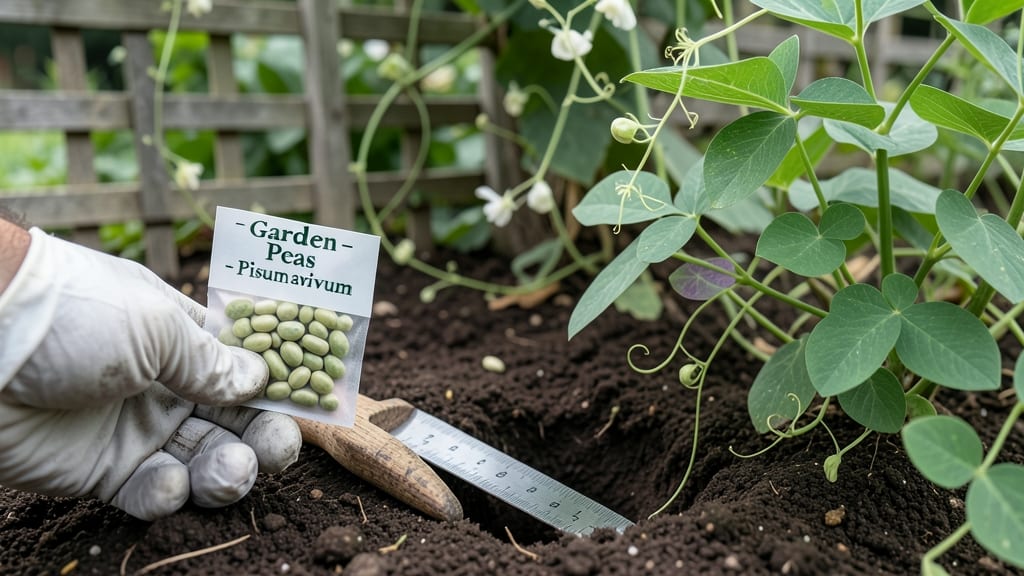
Planting pea seeds at the right depth is the secret to strong vines and a bountiful harvest—too shallow, and they’ll dry out; too deep, and they’ll struggle to break through.
Peas are one of the easiest and most rewarding vegetables to grow, but getting the depth wrong can mean the difference between lush, productive plants and wasted effort. Whether you're a beginner or a seasoned gardener, nailing the planting depth ensures your peas thrive from the start.
Most gardeners swear by planting pea seeds about 1 inch deep, but the ideal depth depends on your soil type and pea variety. Dwarf peas might need slightly less, while climbing varieties benefit from a touch more room to establish roots.
In this guide, you’ll learn the exact depth for your peas, how to space them for maximum yield, and the common mistakes that can kill your seedlings before they even sprout. Let’s get those seeds in the ground the right way!

The ideal pea seed planting depth: science-backed guidelines for germination & growth
Getting the pea seed planting depth right is the foundation for strong, productive vines. Unlike many vegetables, peas thrive when planted just ½ to 1 inch deep—any deeper, and they’ll struggle to break through the soil, while shallower planting risks drying out the seed.
The key lies in balancing moisture retention, oxygen exposure, and temperature stability for optimal germination.
Most gardeners overthink pea planting depth, but the science is straightforward: peas need consistent soil contact to absorb moisture while staying close enough to the surface for quick sprouting.
In cooler climates, a slightly deeper planting (up to 1 inch) helps protect seeds from rapid drying, while warmer regions benefit from shallower depths (½ inch) to prevent overheating. Let’s break down the exact guidelines based on your growing conditions.
Why depth matters: Planting too deep forces seedlings to expend energy breaking through compacted soil, delaying emergence by 3–7 days and increasing disease risk. Too shallow, and seeds dry out before sprouting. The ideal depth ensures 90% germination rates within 7–14 days, depending on temperature.
Soil type also plays a role: Sandy soils dry out faster, so aim for the upper limit (1 inch) to retain moisture. Clay-heavy soils should use the shallow end (½ inch) to prevent waterlogging. Amend your soil with compost or perlite to improve drainage and aeration before planting.
Variety matters: Dwarf peas (like 'Little Marvel') can tolerate slightly shallower planting (¼ inch in loose soil), while vining varieties (such as 'Wando') need the full ½–1 inch range for robust root development. Always check your seed packet for specific recommendations—some heirloom varieties have unique needs.
Environmental factors: If planting in early spring when soil is still cold, deeper planting (up to 1 inch) helps maintain consistent temperatures. In late summer plantings, stick to ½ inch to avoid overheating. Mulching with straw after planting helps regulate soil temperature and moisture for all conditions.
| Factor | Recommended Depth | Notes |
|---|---|---|
| Soil Type | ½ inch (sandy) to 1 inch (clay) | Sandy soils dry faster; clay retains moisture longer |
| Pea Variety | ¼ inch (dwarf) to 1 inch (vining) | Dwarf types need less depth; vining types benefit from deeper planting |
| Season | 1 inch (spring) to ½ inch (summer) | Deeper in cool weather; shallower in heat |
| Container Gardening | ½ inch (well-draining mix) | Use lightweight potting soil to prevent compaction |
| Germination Goal | ½–1 inch (optimal range) | Balances moisture and oxygen for fastest emergence |
After planting, gently press the soil around seeds to ensure good contact—this prevents air pockets that can delay germination. Avoid walking on freshly planted rows, as compaction can suffocate emerging seedlings. For container gardening, use a well-draining potting mix and plant seeds ½ inch deep to prevent waterlogging.
Post-planting care: Keep soil consistently moist (not soggy) until seeds sprout, which typically takes 7–14 days depending on temperature. Once seedlings emerge, thin to 2–3 inches apart for dwarf varieties or 4–6 inches apart for vining types. This prevents overcrowding and ensures each plant gets enough sunlight and nutrients.
If you’re planting in cool-season windows (early spring or fall), consider using a row cover to maintain soil warmth and speed up germination. For hot climates, plant in partial shade during peak afternoon heat to protect seeds from drying out before they sprout.
Remember: the ideal pea seed depth is always a balance. Start with ½ inch as your baseline, then adjust based on soil, variety, and weather. With the right depth, you’ll see stronger vines, earlier harvests, and fewer failed seedlings—making your pea-growing efforts even more rewarding! 🌱
Pea seed spacing secrets: how row placement affects yield & vine strength
Getting your pea seed spacing right is the secret to stronger vines and bigger harvests. Too close, and your plants compete for nutrients; too far apart, and you waste garden space. The ideal spacing balances airflow, sunlight exposure, and root development—critical for those sweet, tender pods we all love.
Most gardeners swear by 2–4 inches apart in rows with 12–18 inches between rows. This setup works for both dwarf varieties (like 'Little Marvel') and vining types (like 'Sugar Snap'). But here’s the twist: trellising or container gardening changes the game entirely.
| Spacing Method | In-Row Spacing | Between Rows | Best For |
|---|---|---|---|
| Traditional Ground Planting | 2–3 inches | 12–18 inches | Dwarf varieties, large gardens |
| Trellis-Supported Vining | 3–4 inches | 18–24 inches | Tall varieties, small spaces |
| Container Gardening | 1–2 inches | N/A (1 plant per 5-gallon pot) | Balconies, patios, small pots |
| Square Foot Gardening | 4 seeds per square foot | 12 inches between squares | High-density yields |
For traditional in-ground planting, stick to 12–18 inches between rows to give roots room to spread. This spacing prevents fungal diseases by improving airflow and makes harvesting easier. If you’re growing vining peas, widen the row spacing to 18–24 inches to accommodate their sprawling habits.
In containers or small spaces, you can get creative. Plant 1–2 seeds per 5-gallon pot and use a small trellis to save space. Just ensure the container has drainage holes—waterlogged roots are peas’ worst enemy.
For square foot gardening, place 4 seeds per square foot in a grid pattern for maximum yield.
Pro tip: If your garden soil is heavy or compacted, loosen it before planting and mix in compost. This helps roots establish faster, giving your peas a head start. And always plant seeds 1 inch deep—too shallow, and they dry out; too deep, and they struggle to emerge.
With the right spacing, your peas will thrive, producing bushy vines and heavy yields all season. Happy gardening! 🌱