
Planting
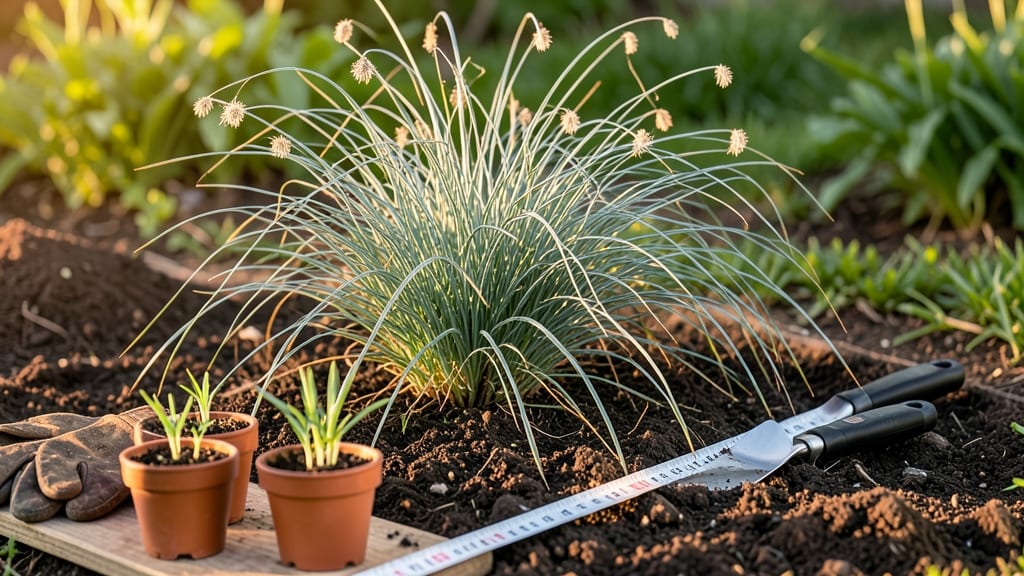
Planting Karl Foerster grass 18–24 inches apart is the key to those striking, bold clumps that define a modern garden.
You’ve picked a plant that’s year-round eye candy, but cram it too close, and you’ll end up with stunted growth and a messy tangle instead of the architectural statement you’re after.
This sun-loving grass thrives when given room to spread, and the right spacing isn’t just about looks—it’s about airflow, which keeps diseases at bay and ensures your plants stay healthy for decades.
Below, I’ll break down the exact spacing you need for borders, mass plantings, and even containers, plus how to adjust for rocky soil or shade edges that might change the game.

Optimal planting spacing for Karl Foerster grass: clump size guide by mature height
When planting Karl Foerster grass, your spacing choices directly impact its dramatic clump formation and overall visual appeal.
This grass thrives when given room to spread its architectural blades—too close, and you’ll end up with stunted growth and disease risks; too far, and your garden loses its textural impact.
The key is matching your spacing to the mature clump size you want, whether that’s compact 12–18-inch clusters or bold 24+ inch statements.
For most gardeners, 18–24 inches apart is the sweet spot for Karl Foerster grass in open borders or mass plantings. This spacing lets each clump reach its full mature height of 2–4 feet without competing for nutrients.
However, if you’re aiming for a tight, hedgelike look, reduce spacing to 12–18 inches. Conversely, for wild, naturalistic drifts, stretch it to 30+ inches apart.
Here’s the spacing cheat sheet based on your garden layout and soil conditions:
| Garden Layout | Desired Clump Size | Spacing (inches) | Soil Adjustments |
|---|---|---|---|
| Borders/Edges | Compact (12–18") | 12–15" | Tight spacing works best in well-drained soil. |
| Mass Plantings | Standard (18–24") | 18–24" | Add compost to improve root spread. |
| Containers/Pots | Dwarf (12–18") | 8–12" | Use fast-draining mix to prevent root rot. |
| Naturalistic Drifts | Bold (24+") | 24–36" | Rocky soil? Space 30–36" for better airflow. |
| Ground Cover | Tight (12–18") | 10–12" | Mulch heavily to suppress weeds. |
Your soil type plays a critical role in spacing decisions. Well-drained soil allows roots to spread more aggressively, so you can plant closer together (e.g., 12–18 inches) without crowding. In contrast, rocky or clay-heavy soil restricts root growth, so increase spacing to 24–36 inches to avoid competition.
Always amend poor soil with sand or compost before planting to encourage healthier clumps.
For container growing, Karl Foerster grass thrives in 12–18-inch pots with 3–5 plants per container. Use a fast-draining mix to prevent root rot, and space plants 8–12 inches apart at the edges. Containers dry out faster, so monitor moisture levels closely during the first growing season.
If you’re planting along a border or pathway, aim for 15–18 inches between clumps to create a neat, linear effect. For mass plantings in sunny meadows or perennial beds, stretch spacing to 24 inches to let each clump fluff out naturally.
Pro tip: Use a string and stakes to mark spacing before digging—this ensures even distribution and avoids overcrowding.
One common mistake is planting too close in shady spots. While Karl Foerster grass tolerates partial shade, it won’t reach its full height or width. In these cases, reduce spacing to 12–15 inches and pair it with shade-tolerant perennials like heuchera or astilbe to fill gaps.
After planting, give your Karl Foerster grass a light watering to settle the soil, then water deeply once a week for the first month. Once established, it’s drought-tolerant, but consistent moisture in the first year ensures vigorous clump growth.
Mulch around the base with gravel or bark to suppress weeds and retain moisture.
Even experienced gardeners sometimes struggle with Karl Foerster grass spacing. Planting too close leads to stunted growth and disease risk, while spacing too far apart wastes space and invites weeds. The key is understanding how this clumping grass behaves as it matures to 3-4 feet tall and 2-3 feet wide. Let’s troubleshoot the most common spacing mistakes and how to correct them. One telltale sign of overcrowded Karl Foerster grass is when stems lean toward each other, creating a thin, weak structure. This happens because plants compete for nutrients and sunlight. Another red flag is yellowing foliage or fungal spots—clear indicators that airflow is restricted. If you notice these, your spacing is likely too tight. ⚠️ callout-warning
How far apart to plant Karl Foerster grass? For full clump potential, space plants 18–24 inches apart in well-drained soil. In rocky or poor soil, increase to 24–30 inches to reduce competition. Containers? Use one plant per 12-inch pot—any closer, and roots will circle. Fix it now: If stems lean or foliage yellows, thin plants immediately by removing 1/3 of the clump. Space remaining plants 24 inches apart.Common mistakes in Karl Foerster grass spacing (and how to Fix them)
On the flip side, under-spaced Karl Foerster grass creates gaps that weeds love to fill. If your grass looks sparse and scattered, it’s likely too far apart. This mistake is common in mass plantings where gardeners assume more space equals better airflow.
However, Karl Foerster thrives in clusters, so 3–5 plants grouped 18 inches apart create a dense, natural look.
For container growing, another frequent mistake is using pots that are too small. Karl Foerster grass needs deep roots, so a 12-inch pot is the minimum for one plant.
If you’re growing multiple plants in a container, space them 12–18 inches apart and use a well-draining mix to prevent root rot. Drainage holes are non-negotiable—this grass hates soggy feet!
To diagnose spacing issues, use this quick visual checklist: - Stems lean or bend → Too close - Weeds fill gaps → Too far apart - Yellowing or spots → Poor airflow - Slow growth → Competition for nutrients Fix the issue by thinning or replanting in the early spring when the grass is actively growing.
Remember, Karl Foerster grass is all about structure and texture. With the right spacing, it becomes a year-round garden anchor that needs minimal care. Start with 18–24 inches apart, monitor growth, and adjust as needed. Your garden’s bold statement piece will thank you! 🌱