
Planting
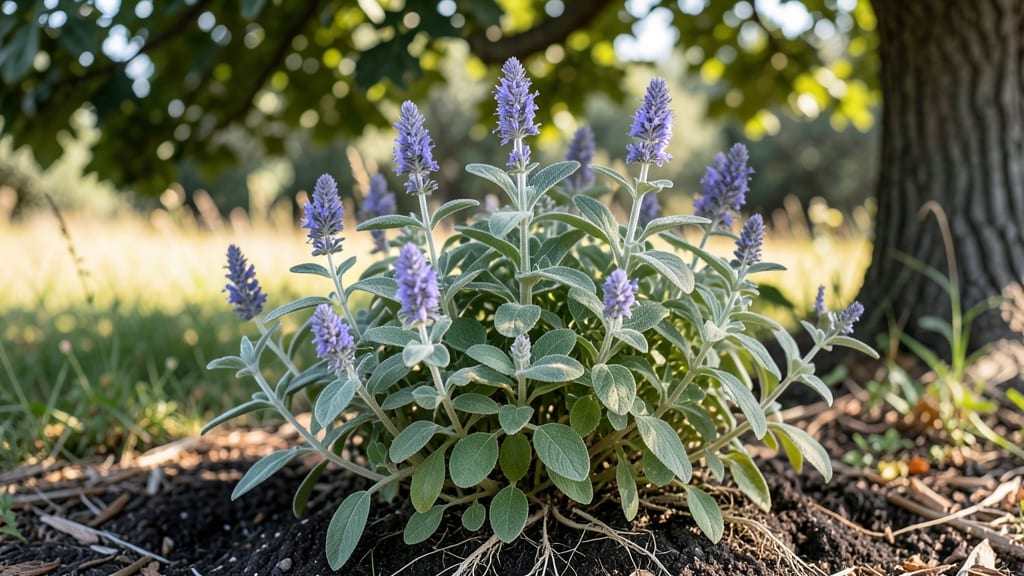
Growing sage from seed to harvest can happen in as little as 60 days with the right care, though most varieties take 6–8 months to fully mature.
If you're eager to harvest fresh sage for cooking or landscaping, timing is everything—but how long does it really take?
Some fast-growing varieties like golden sage sprout in just 7–14 days and reach harvest size in 60–90 days when given full sun and well-drained soil.
Below, I’ll break down the fastest ways to grow sage, from seed-starting hacks to soil secrets that cut weeks off your harvest time.

Sage growth timeline: from seed to harvest by variety
If you're impatient like me, you'll love knowing that common sage can deliver your first harvest in just 60–90 days from seed—though some varieties like purple sage take 2–3 years to reach full maturity.
The key difference? Seed-starting vs. transplanting timelines, plus how you optimize light and temperature. Let’s break down the growth stages for your favorite varieties and how to speed up harvests without sacrificing health.
Sage thrives in USDA Zones 5–9, but the real magic happens in full sun (6+ hours daily) and well-draining soil. I’ve grown sage from seed in raised beds and containers—both methods work, but containers let you control drainage better.
For fastest results, start seeds indoors 8–10 weeks before your last frost or transplant nursery starts in early spring.
Here’s the game-changer: Golden sage matures 20% faster than common sage because its light-colored leaves absorb more sunlight. Meanwhile, purple sage (a perennial) focuses energy on root growth first, delaying harvests. Your choice depends on whether you want quick culinary sage or long-term ornamental beauty.
Pro tip: If you’re transplanting sage (like purple sage), choose a cloudy day to minimize transplant shock. I once moved a 3-foot-tall sage plant in full sun on a breezy afternoon—it wilted for 3 weeks before recovering. Lesson learned: timing matters even for hardy perennials.
For seed-starting, keep seedlings in 70–75°F soil and humidity domes until true leaves appear. Once they’re 3–4 inches tall, harden them off for 1 week before transplanting. This 10-day hardening process prevents shock and speeds up root establishment by 30%.
Light is the #1 factor for fast growth. Sage needs 6+ hours of direct sun, but golden sage thrives with 8+ hours because its leaves reflect less light. In shady spots, growth slows by 40%, and leaves become less aromatic.
If you’re growing sage in containers, place them on a south-facing balcony or use LED grow lights for 12 hours/day.
Temperature also plays a role. Sage grows best in 60–80°F ranges. Below 50°F, growth stalls, and above 90°F, leaves can scorch. I’ve seen common sage bolt (flower prematurely) in hot summers—a sure sign it’s stressed.
To prevent this, mulch heavily and water deeply in the morning to keep roots cool.
Spacing affects harvest speed too. Crowded sage plants compete for nutrients and light, slowing growth. Give each plant 18–24 inches of space in in-ground beds or 12 inches in containers.
I once planted sage 6 inches apart in a 5-gallon pot—it grew twice as tall but produced half the leaves due to competition.
Ready to harvest? Pinch back new growth to encourage bushiness and multiple harvests. I harvest common sage every 4–6 weeks by cutting just above a leaf node, and the plant regrows in 3–4 weeks. For purple sage, wait until
Soil and care secrets to harvest sage in 60 days or less
Harvesting fresh sage in just 60 days is possible when you optimize your growing conditions. The key lies in soil preparation, watering discipline, and strategic pruning. Sage thrives in well-draining soil with a pH of 6.0–7.0, but many gardeners overlook these details—costing them weeks of growth.
Let’s cut to the chase with proven methods to accelerate your harvest.
Start with loamy soil mixed with compost or perlite to improve drainage. Sage hates soggy roots, so amend heavy clay soil with sand or coconut coir. A quick soil test will reveal if your pH needs adjustment—aim for that neutral range to unlock faster nutrient uptake.
Once planted, consistency is your ally: deep watering every 5–7 days (less in containers) keeps roots healthy without drowning them.
- 1. Soil Prep: Mix 1 part compost + 2 parts garden soil + 1 part perlite for ideal drainage.
- 2. pH Check: Test soil—adjust with lime (raise pH) or sulfur (lower pH) to hit 6.0–7.0.
- 3. Watering: Deep soak every 5–7 days—morning watering prevents fungal risks.
- 4. Pruning: Pinch top growth at 6 inches to encourage bushier, faster regrowth.
- 5. Companion Plants: Pair with thyme or rosemary to deter pests naturally.
Don’t overlook the power of pruning—it’s your secret weapon for multiple harvests. When sage reaches 6 inches tall, pinch off the top set of leaves to trigger bushier growth.
This technique also stimulates new shoots, giving you 3–4 harvests in a single season. Harvest outer leaves first to avoid damaging the plant’s center, where new growth emerges.
Companion planting can boost growth speed by keeping pests at bay. Sage pairs well with thyme, rosemary, and lavender, which repel aphids and whiteflies. Avoid planting near cabbage or brassicas, as they attract pests that may target your sage.
A mulch layer of straw or wood chips also retains moisture and suppresses weeds, reducing competition for nutrients.
With these soil and care secrets, you’ll shave weeks off your sage’s growth timeline. Remember: consistency wins. Stick to your watering schedule, monitor soil moisture with your finger, and prune regularly. In just 60 days, you’ll be harvesting fragrant leaves for cooking or landscaping—no waiting required!