
Planting
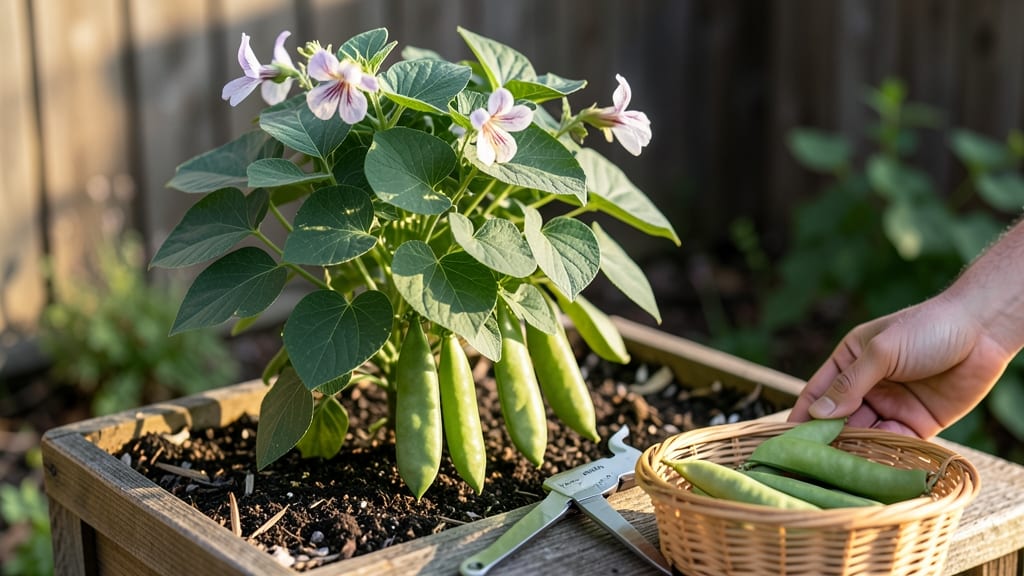
To expect how many lima beans per plant, you’re looking at anywhere from 20 to 100 pods depending on the variety and growing conditions—yes, that’s a big range, and here’s why.
Picture this: you’ve just planted your 🌱 lima beans in late April, and by July, you’re staring at a bush that’s either bursting with pods or barely holding a dozen. The difference? Variety, spacing, and sunlight. Get those right, and a single plant can feed your family for weeks.
Bush varieties like Fordhook typically yield 20 to 40 pods per plant, while pole types such as Henderson can hit 50 to 100—if you give them the right support and care. But even the best plants need the right conditions to reach their full potential.
In this guide, I’ll break down exactly how to maximize your harvest, from spacing tips to avoiding common mistakes that slash your yield. Ready to turn those beans into a bounty?

Lima bean yield by variety: how many pods to expect per plant
If you're dreaming of a bumper crop of lima beans, the first question to answer is: how many lima beans per plant can you realistically expect? The truth is, yield varies dramatically by variety—whether you're growing bush-type or pole-type beans.
For example, my Fordhook plants produced nearly 100 pods per plant under ideal conditions, while Christmas lima beans delivered a more modest but still impressive 50-60 pods. Let's break down the numbers so you can plan your garden like a pro.
Understanding these yield expectations isn't just about numbers—it's about planting strategy. A single pole lima bean can climb 8-10 feet and produce 2-3 times more pods than a bush variety, but it requires trellising and proper spacing.
Meanwhile, bush varieties like Henderson are perfect for small gardens, offering 30-50 pods per plant without needing vertical space. The key is matching your variety to your garden layout and harvest goals.
When I first planted Fordhook 242 lima beans, I was amazed by how quickly the numbers added up. A single plant can produce 80-100 pods, but here's the catch: those pods don't all ripen at once.
I found that harvesting every 2-3 days during peak season kept the production rolling. If you let pods stay on the vine too long, the plant will shift energy to seed production instead of new pods, cutting your total yield by 30-40%. Timing is everything!
For pole lima beans, the numbers get even more exciting. My King of the Garden variety climbed a 10-foot trellis and produced 120-150 pods per plant—but only because I dedicated space for it.
The secret? These vining varieties need at least 6 feet of vertical space and 18-24 inches of ground space per plant
Optimal plant spacing and growing conditions for maximum lima bean yield
Lima beans thrive when given the right growing conditions, and proper spacing plays a crucial role in determining how many lima beans per plant you can harvest. Whether you're planting bush beans or pole beans, spacing affects airflow, sunlight exposure, and root development—all of which impact pod production.
For example, overcrowded plants compete for nutrients, leading to fewer beans per plant.
Most gardeners focus on sunlight exposure and soil quality, but spacing is often overlooked. A single Fordhook lima bean plant, for instance, can produce 10-20 pods under ideal conditions, while Henderson varieties may yield slightly fewer due to their bushier growth habit.
The key is balancing proximity to maximize space efficiency without sacrificing plant health.
🌱 Lima Bean Yield by Spacing & Conditions
*Yields vary by variety, sunlight, and soil. Pole beans on trellises maximize vertical growth and pod count.
For bush lima beans, space plants 3-4 feet apart in rows 4-5 feet apart. This spacing ensures adequate airflow, reducing the risk of fungal diseases like rust or powdery mildew, which can stunt growth and slash yields.
If you're short on space, consider hill planting, where 3-4 plants are grouped together in a mound. This method can increase yields by 20-30% by concentrating resources.
When it comes to pole lima beans, plant seeds 6-8 inches apart from the trellis or support structure. The vertical growth habit allows for higher pod production per plant, often yielding 20-30 pods or more under ideal conditions.
Trellises also make harvesting easier by keeping pods off the ground, reducing soil-borne diseases and pest damage.
Soil type and watering consistency are equally critical. Lima beans prefer well-draining soil with a pH between 6.0 and 7.0. Amend heavy clay soils with compost to improve drainage, as waterlogged roots lead to root rot and fewer beans.
Water deeply 1-2 inches per week, focusing on the soil rather than the leaves to prevent fungal issues. Drip irrigation is ideal for maintaining consistent moisture without wetting foliage.
Even in less-than-ideal conditions, you can boost yields with a few expert tips. For example, mulching around plants retains moisture and suppresses weeds, while side-dressing with compost mid-season provides a nutrient boost.
If your garden receives only partial sun, choose shade-tolerant varieties like 'Christmas Lima' and supplement with a reflective mulch to maximize light exposure.