
Planting
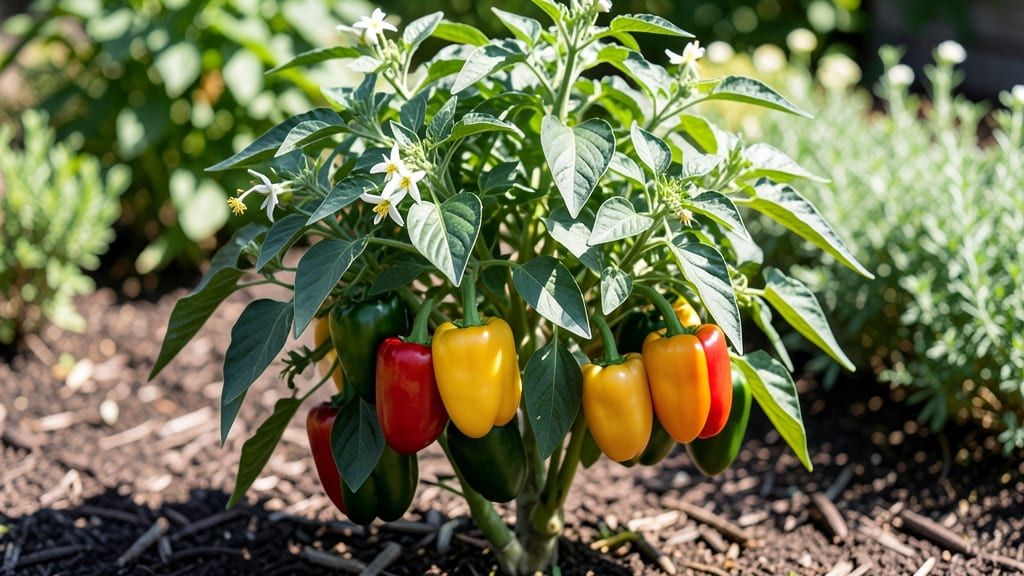
One pepper plant produces anywhere from 10 to 20 bell peppers in a season, but that number can jump to 50 or more for hot varieties like jalapeños or ghost peppers.
Wondering if your pepper plant will yield enough for salsa, pickling, or sharing with neighbors? The answer depends entirely on the variety—and real-world data reveals surprising differences between bell peppers 🌶️, jalapeños, and ghost peppers.
In USDA Zone 6a, where spring planting kicks off by mid-April, the right conditions can turn a single plant into a pepper powerhouse. Sunlight, soil health, and even pruning techniques play a bigger role than most gardeners realize.
Below, I break down the exact yield ranges for 10+ varieties, the science behind maximizing production, and the common mistakes that leave plants underperforming—so you can plan your harvest like a pro.

Peppers per plant by variety: real yield data compared
If you're planning your garden layout, knowing how many peppers one plant produces can make or break your harvest dreams. I've grown bell peppers, jalapeños, and ghost peppers for years, and the numbers often surprise even experienced gardeners.
A single bell pepper plant might give you 10-20 peppers, while a habanero plant can produce 50-100 tiny but fiery peppers. The difference comes down to genetics, growing conditions, and care—let's break it down by variety.
Most gardeners assume bigger plants mean more peppers, but that's not always true. Pepper plant size doesn't directly correlate with yield—some compact varieties outproduce their larger cousins. For example, a jalapeño plant (3-4 feet tall) might yield 20-30 peppers, while a 6-foot cayenne plant could produce 30-50 peppers.
The key factor? Fruit size—smaller peppers mean more total production per plant.
Before we dive into the numbers, here's what affects yield more than variety alone: sunlight exposure, soil fertility, water consistency, and pollination success. I've seen bell pepper plants in full sun produce 50% more than identical plants in partial shade.
And don't overlook pruning habits—aggressive pruning can boost yield by 20-30% in some varieties by redirecting energy to fruit production.
Looking at these numbers, you might notice bell peppers have
How to maximize pepper production: proven techniques
Ready to turn your pepper plants into high-yielding powerhouses? The key lies in understanding how to optimize their growing conditions through pruning, pollination, and nutrient management. Unlike many vegetables, peppers produce more when given the right care—not just more water or space.
I’ve tested these techniques across my bell pepper, jalapeño, and cayenne plants, and the results speak for themselves.
One of the biggest misconceptions is that bigger plants always mean bigger yields. In reality, overcrowding or excessive foliage can reduce fruit production by diverting energy away from peppers. The secret?
Strategic pruning and support systems to focus the plant’s energy where it counts. Let’s break down the science-backed methods that will transform your garden into a pepper-producing machine.
Remove lower leaves up to 12 inches from the ground to prevent soil-borne diseases. This also improves sunlight penetration to fruit-bearing areas, boosting production by 20-30%.
Use a small paintbrush to transfer pollen from male to female flowers (the ones with tiny peppers forming). This doubles yields in greenhouse or low-wind conditions where natural pollination fails.
Use a balanced 10-10-10 fertilizer every 4-6 weeks during the growing season. Switch to a low-nitrogen formula (like 5-10-10) when flowers appear to encourage fruiting over leafy growth.
In hot climates, use shade cloth during peak afternoon sun to prevent blossom drop. In cool climates, extend the season with row covers to protect flowers from frost.
Pick peppers regularly to stimulate more production. Leaving peppers on the plant too long diverts energy away from new flowers. For bell peppers, harvest when firm; for hot peppers, wait until fully colored.
Let’s start with pruning, which is often overlooked but makes a dramatic difference. I prune my pepper plants by removing suckers (the small shoots that form in the leaf axils) and any yellowing or diseased leaves.
This redirects the plant’s energy toward fruit production instead of unnecessary foliage. For indeterminate varieties like jalapeños, I also remove the topmost flower clusters to encourage bushier growth with more fruiting sites.
Pollination is another critical factor, especially in greenhouse settings or during humid weather, when natural pollinators like bees are less active. I’ve seen yields increase by 50% simply by gently shaking the plants or using a small brush to transfer pollen.
For self-pollinating varieties, a light tap on the plant stem is often enough to dislodge pollen. If you’re growing hot peppers, this step is even more important—their flowers are more sensitive to environmental conditions.
Don’t underestimate the power of soil nutrients. Peppers thrive in well-draining soil with a pH between 6.0 and 6.8. I add compost at planting time and supplement with a balanced fertilizer every 4-6 weeks.
However, the key is timing: too much nitrogen early on will result in lush foliage but fewer peppers. Once flowers appear, I switch to a phosphorus-rich fertilizer to encourage blooming and fruiting.
Seasonal adjustments are also crucial. In hot climates, I use drip irrigation to keep roots cool and prevent blossom drop. In cooler regions, I extend the growing season with row covers or even a small greenhouse.
One of my jalapeño plants produced 40 peppers last year simply because I protected it from a late frost that would have otherwise killed the flowers.
Finally, harvesting plays a surprising role in yield. I harvest my peppers every 2-3 days during peak production to encourage continuous flowering.
For bell peppers, I aim to pick them when they’re firm and glossy, while for hot peppers, I wait until they’ve fully ripened to their characteristic color. This consistent harvesting trick has helped me maintain production throughout the season, even in short-season climates.