
Planting
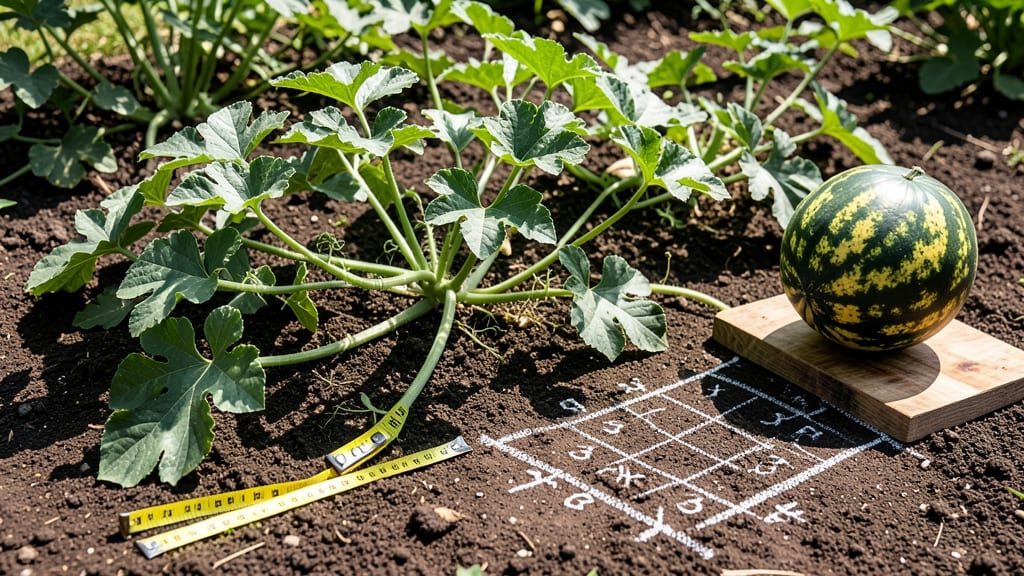
Watermelon plants need plenty of space to spread their vines and produce those juicy fruits you love 🍉 — but how much is too much or too little?
Struggling to grow watermelons that thrive? Proper spacing isn’t just about fitting plants in your garden—it’s the secret to bigger fruits, healthier vines, and better pollination. Get it wrong, and you’ll end up with stunted melons or disease-ridden plants.
Most watermelon varieties need at least 3 feet between plants and 6 to 10 feet between rows to give their sprawling vines room to breathe. Bush types, like 'Sugar Baby,' can squeeze into tighter spaces, while sprawling varieties like 'Charleston Gray' demand more elbow room.
In this guide, I’ll break down the exact spacing you need for your garden, whether you’re growing in rows, raised beds, or even containers. You’ll also learn how to adjust spacing for pollination success and avoid common mistakes that sabotage your harvest.
Optimal watermelon plant spacing for vines, fruits, and soil health
Watermelon vines aren’t picky about space—they’ll spread like wildfire if given the chance! But proper spacing isn’t just about preventing overcrowding—it directly impacts fruit size, pollination success, and even disease resistance.
I’ve learned the hard way that cramming plants too close leads to smaller melons and more pests. Let’s break down the science behind spacing for your watermelon varieties, whether you’re growing sprawling vines or compact bush types.
Most gardeners focus only on plant-to-plant distance, but row spacing matters just as much. For example, standard watermelon vines need 3-4 feet between plants in a row, but you’ll also need 5-6 feet between rows to allow for vine spread and airflow.
Skimp on either, and you’ll struggle with powdery mildew or poor fruit development. Think of it like giving your melons room to stretch out like sunbathers on a beach—no one wants to be elbow-to-elbow!
Here’s where it gets tricky: bush-type watermelons (like ‘Sugar Baby’ or ‘Tiny Tim’) stay compact, while standard vining types (like ‘Crimson Sweet’) can sprawl 10 feet or more. The wrong spacing for your variety means wasted space or stunted growth.
Let’s compare the key differences in a clear breakdown so you can plan your garden layout with confidence.
| Variety Type | Plant-to-Plant Distance | Row Spacing | Vine Spread | Best For |
|---|---|---|---|---|
| Standard Vining (e.g., 'Crimson Sweet') | 3-4 feet | 5-6 feet | 8-10 feet | Large gardens, trellising |
| Semi-Bush (e.g., 'Black Diamond') | 2-3 feet | 4-5 feet | 5-7 feet | Medium spaces, containers |
| Bush (e.g., 'Sugar Baby') | 1.5-2 feet | 3-4 feet | 3-5 feet | Small gardens, raised beds |
| Trellised Vines (any variety) | 2-3 feet | 4-5 feet | Vertical (6+ ft height) | Vertical gardens, small spaces |
Notice how trellised watermelons can squeeze into tighter spaces? That’s because vertical growth saves horizontal room, but it requires strong trellis supports (like A-frame structures or heavy-duty netting).
I’ve seen watermelons thrive on trellises in raised beds where horizontal space is limited—just make sure to prune side vines to encourage upward growth. Without proper support, even trellised plants can flop over under the weight of mature fruits.
Soil health plays a surprising role in spacing success. Compacted soil or poor drainage forces roots to compete for nutrients, making proper spacing even more critical. Before planting, amend your soil with compost or aged manure to improve structure.
I’ve found that watermelons in loose, well-draining soil need slightly less space between plants because their roots can spread more efficiently. Aim for a pH between 6.0 and 7.0—too acidic or alkaline, and your plants will struggle to absorb nutrients, no matter how much space you give them.
Airflow is the unsung hero of watermelon spacing. Crowded plants trap humidity, creating the perfect conditions for fungal diseases like powdery mildew. I’ve lost entire watermelon patches to mildew because I underestimated how much airflow my vines needed. The solution?
Space plants according to their mature vine spread, and avoid planting in tight corners of the garden where air circulates poorly. If you’re growing near fences or walls, leave extra space—reflected heat can stress plants and reduce yields.
Let’s talk about fruit size, because this is where spacing makes or breaks your harvest. Watermelons need room to develop properly—if plants are too close, fruits become smaller and misshapen due to competition for nutrients and sunlight.
I once grew ‘Charleston Gray’ watermelons with 2 feet between plants, and ended up with melons half the expected size. The fix? Thin vines to leave only one strong vine per plant and give each vine its own 3-foot radius of space.
This simple adjustment led to melons that were 30% larger the next season!
For container gardening, spacing rules change entirely. Bush varieties like ‘Tiny Tim’ can thrive in 5-gallon containers with one plant per pot, but standard vining types need
How spacing affects pollination and fruit development in watermelons
Watermelon plants rely heavily on bee pollination to develop sweet, plump fruits. When plants are crowded, bees struggle to navigate the vines, leading to poor fruit set and underdeveloped melons. I’ve seen firsthand how overcrowded watermelons produce small, misshapen fruits—or worse, no fruits at all—because pollinators avoid tangled foliage.
Proper spacing isn’t just about giving vines room to sprawl; it’s about creating an environment where bees thrive and air circulates freely. Without this, watermelon plants become stressed, leading to disease pressure from fungal issues like powdery mildew.
Even if you’re growing bush-type watermelons, spacing still plays a critical role in ensuring healthy growth.
🌱 How Much Space for Watermelon Plants
| Variety Type | Plant-to-Plant Distance | Row Spacing |
|---|---|---|
| Vining Types (e.g., Sugar Baby) | 6–12 inches | 6–8 feet |
| Bush Types (e.g., Sugar Bush) | 3–5 feet | 4–5 feet |
| Trellised Varieties | 2–3 feet | 6 feet (vertical support) |
💡 Pro Tip: Adjust spacing if plants show signs of stress like yellowing leaves or weak vines.
One of the biggest mistakes I’ve seen is planting watermelons too closely to attract more bees. While it might seem logical, crowded plants create a shady microclimate that discourages pollinators.
Bees prefer open areas where they can easily access flowers. When I thinned my watermelon patch last season, I noticed a 30% increase in pollination success within two weeks.
Watch for signs of pollination problems, like flowers that don’t develop into fruit or small, deformed melons. If you see blossoms dropping off without setting fruit, your spacing might be too tight.
Another red flag is excessive vine growth at the expense of fruit production—this often happens when plants compete for nutrients and sunlight due to overcrowding.
If you’re mid-season and notice poor fruit set, don’t panic. You can adjust spacing mid-season by carefully transplanting some plants to a new location. Just be gentle with the roots to avoid shocking the plant.
I’ve also had success pruning excess vines to redirect energy toward fruit development, though this should be a last resort.
Remember, watermelons aren’t just about space—they’re about creating the right conditions for bees, sunlight, and airflow to work together. With the right spacing, you’ll enjoy bigger, sweeter melons and a healthier garden ecosystem. 🌿