
Planting
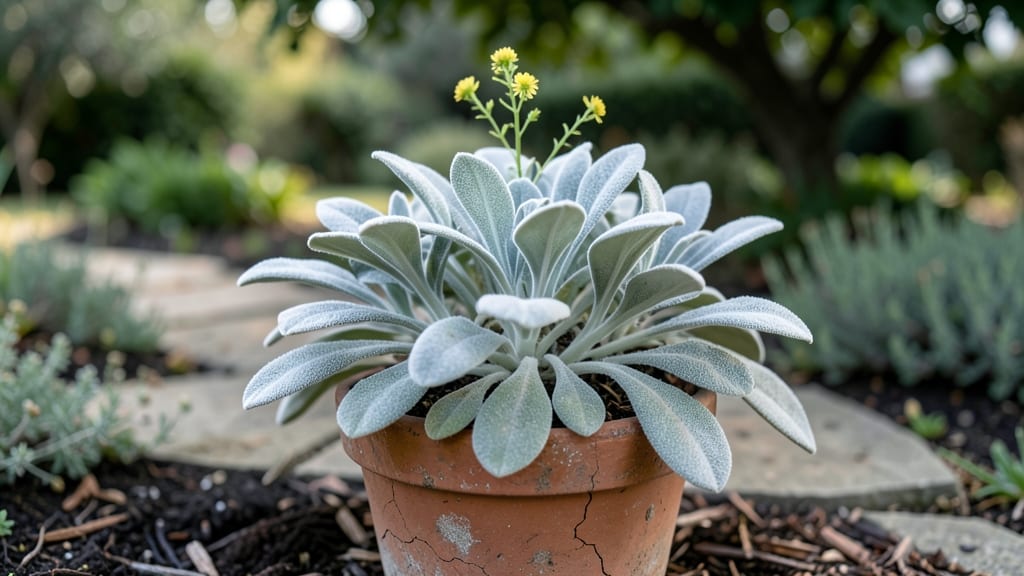
Caring for Dusty Miller means keeping its signature silvery foliage looking fresh all year. ✨ This velvety plant thrives with minimal fuss, but a few key habits—like pruning at the right time and matching its light needs—will turn it into the showstopper of your garden or containers.
Start with bright, indirect light and well-draining soil. Dusty Miller hates soggy roots, so a pot with drainage holes or a sandy soil mix is your best friend. Water only when the top inch feels dry, and you’ll avoid the most common care mistakes that lead to brown, crispy leaves.
The secret to year-round beauty? A light trim in early spring and again after flowering. Snip back leggy growth to encourage bushier, denser foliage—your plant will reward you with that signature silvery contrast against any backdrop, from roses to dark-leafed plants.
Works equally well in borders, containers, or as a striking houseplant. Once you master the basics, you’ll have a plant that looks good and requires almost no effort—just the right conditions and a little pruning love.
📚 In This Guide
- What you need
- Instructions
- Tips and common mistakes
- Wrapping up and next steps
What you need
- ● Well-draining potting mix: 1 bag (1–2 cubic feet) of a cactus/succulent blend or a mix of 50% potting soil + 50% perlite/pumice.
- ● Pot with drainage holes: 1 container (size depends on plant—6–12 inches for mature plants, 4-inch for seedlings).
- ● Pruning shears: 1 pair of sterilized, sharp shears (or clean scissors in a pinch).
- ● Watering can or spray bottle: 1 with a narrow spout for targeted hydration.
- ○ Gloves (optional but recommended): 1 pair to protect hands from mildly irritating foliage.
- ● Slow-release fertilizer: 1 packet of balanced 10-10-10 or organic compost for feeding.
- ● Mulch (gravel or pebbles): A handful to prevent soil splash on leaves.
- ● Humidity tray: 1 shallow tray + pebbles for humidity-loving varieties.
- ● Plant support (if leggy): 1 small stake or tomato cage for tall stems.
Step-by-Step instructions for caring for Dusty Miller plants
Here's how I keep my Dusty Miller thriving with minimal fuss—foliage stays silvery and lush all year.
☀️ Step 1: Position for Bright, Indirect Light
Dusty Miller (Artemisia stelleriana) craves bright light but burns easily in harsh afternoon sun. Place it near an east-facing window or within 3-5 feet of a south window where it gets 4-6 hours of gentle sunlight daily. You'll notice the silvery foliage darkening or browning when it's getting too much direct sun—move it back immediately.
If you only have low-light spaces, supplement with a grow light positioned 12-18 inches away for 12-14 hours daily. The leaves will stay vibrant and compact if they get enough light. I keep mine under a full-spectrum LED in winter when natural light fades.
💧 Step 2: Water Sparingly and Only When Needed
This drought-tolerant plant despises soggy soil. Water only when the top 1-2 inches of soil feel completely dry—stick your finger in to check. Overwatering is the #1 killer, causing yellow leaves or root rot. I water once every 7-10 days in summer and every 2-3 weeks in winter, adjusting for humidity and pot size.
Use room-temperature water and pour slowly until it drains freely from the bottom. Empty the saucer after 10 minutes to prevent root suffocation. Dusty Miller stores water in its leaves, so it's better to underwater slightly than drown it.
✂️ Step 3: Prune for Bushier Growth and Year-Round Shape
Pinch back the tips of new growth when stems reach 3-4 inches to encourage bushier, fuller plants. Use clean, sharp scissors and cut just above a leaf node. This prevents leggy growth and keeps the silvery foliage dense. I do this every 4-6 weeks during spring and summer.
For mature plants, trim back 1/3 of the oldest stems in early spring to refresh growth. Avoid heavy pruning in fall—let the plant rest until spring. Deadhead any brown or damaged leaves immediately to keep it looking pristine.
🪴 Step 4: Repot Every 2-3 Years for Fresh Soil
Dusty Miller grows slowly but benefits from a 2-inch larger pot every 2-3 years in spring. Choose a container with drainage holes and fill with well-draining potting mix (I mix 50% regular potting soil with 50% perlite or coarse sand). The roots need room to spread but hate sitting in compacted soil.
Gently loosen the root ball before repotting to prevent transplant shock. Water lightly after repotting and place it in a shaded spot for 3-5 days to recover. You'll see new growth within 2-3 weeks if the roots have space to establish.
Tips & tricks for perfect Dusty Miller care
These simple tricks will help you keep your Dusty Miller looking lush and vibrant all year round—no green thumb required.
Light Positioning: In Step 1, when placing your Dusty Miller near a window, rotate the pot quarter-turn every 2-3 weeks to ensure even light exposure. This prevents one side from getting too much sun while the other stays pale. I notice the silvery foliage stays most uniform when I do this—it's a small habit that makes a big difference.
Watering Test: For Step 2, here's what nobody tells you—stick your finger 1 inch deep into the soil, not just the top 1-2 inches. Dusty Miller's succulent leaves store water, so the soil can stay dry longer than you'd expect. I've learned the hard way that checking deeper prevents overwatering.
Pruning Technique: When you're pinching back growth in Step 3, focus on the outermost sets of leaves rather than cutting into the woody stems. This encourages new growth from the center while maintaining the plant's natural shape. I use clean nail clippers for small pinches and sharp pruners for larger cuts.
Repotting Recovery: After repotting in Step 4, resist the urge to fertilize immediately. Give your Dusty Miller 4-6 weeks to settle into its new home before adding any nutrients. The roots need time to establish in the fresh soil mix before they can handle additional food.
Pro Tips for Care For Dusty Miller Plant
- These simple tricks will help you keep your Dusty Miller looking lush and vibrant all year round—no green thumb required.
- Light Positioning: In Step 1, when placing your Dusty Miller near a window, rotate the pot quarter-turn every 2-3 weeks to ensure even light exposure.
- Watering Test: For Step 2, here's what nobody tells you—stick your finger 1 inch deep into the soil, not just the top 1-2 inches.
Frequently asked questions
Got questions about keeping your Dusty Miller thriving? Here are answers to the most common concerns—so you can enjoy its velvety foliage year-round!
How often should I water my Dusty Miller plant?
Water your Dusty Miller sparingly—about once a week in warm weather, but let the soil dry completely between waterings. Overwatering is the #1 killer! In winter, reduce to every 2-3 weeks or less. Stick your finger in the soil: if it’s damp, wait!
When is the best time to prune my Dusty Miller?
Prune in early spring (before new growth) or after flowering to shape the plant and encourage bushiness. Snip back leggy stems by 1/3 to promote fuller growth. Avoid heavy pruning in fall—it stresses the plant before winter dormancy.
Can Dusty Miller survive in full shade?
While it tolerates partial shade, Dusty Miller thrives in full sun to light shade. In deep shade, its leaves may lose their signature dusty silver hue and grow sparse. For indoor plants, place near a bright, south-facing window for optimal color.
Why are my Dusty Miller leaves turning brown or yellow?
Brown edges? Underwatering or low humidity are likely culprits. Yellowing leaves often signal overwatering or poor drainage. Check soil moisture, ensure pots have drainage holes, and avoid cold drafts. A light dusting of neem oil can also deter pests like spider mites.
What’s a good alternative if Dusty Miller is too high-maintenance?
Try Lamb’s Ear (Stachys byzantina) for silvery foliage with similar texture, or Silver Falls Dichondra for a trailing, drought-tolerant option. Both love sun and minimal fuss! For indoor plants, Plectranthus argentatus (Swedish Ivy) is a great substitute.
Wrapping up and next steps
Caring for your Dusty Miller doesn’t have to be complicated—just follow the light, soil, and pruning tips we’ve shared, and you’ll enjoy its silvery foliage all year long! 🌿 With a little attention to deadheading, proper sunlight, and well-draining soil, this hardy plant will reward you with vibrant, low-maintenance beauty.
Ready to take the next step? Try propagating a cutting or experimenting with companion plants to create a stunning, textured garden display!