
Planting
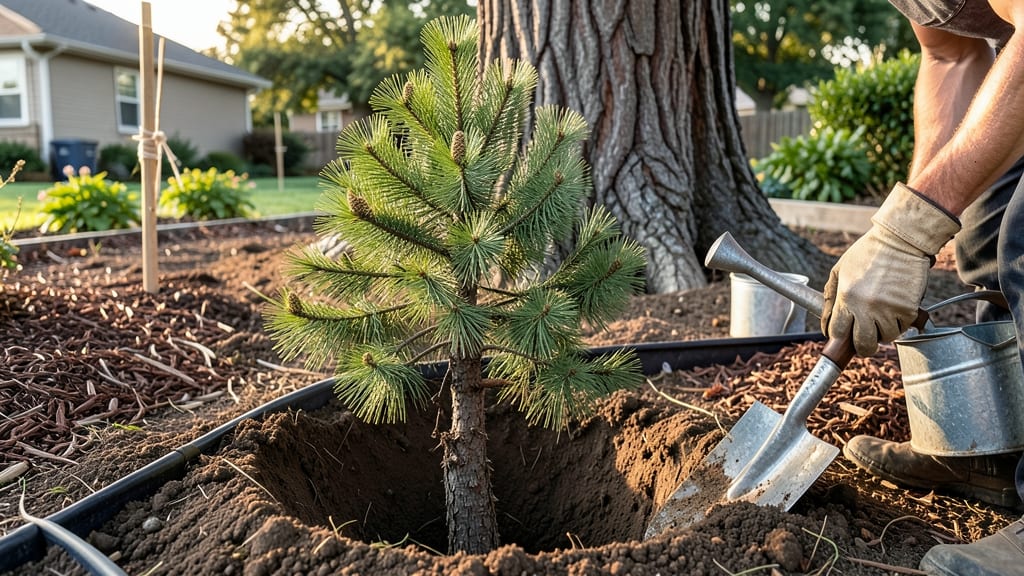
Planting a sequoia tree starts with a 5-gallon sapling that’s been cold-stratified—this ensures it’s ready to handle your climate’s chill. 🌲 I’ve watched these ancient giants grow from tiny pots into towering sentinels, and the secret isn’t just in the planting but in the patience it takes to give them room to thrive.
Sequoias need full sun and deep, well-draining soil, so pick a spot with at least 15 feet of clearance (they’ll spread that wide). Coastal areas get milder winters, but inland gardeners should plant in early spring to avoid late frosts.
The first year is all about establishing roots—think of it as giving your tree a strong foundation for the decades ahead. After planting, water deeply once a week for the first month, then taper off as the roots settle.
Mulch around the base to keep moisture in, but avoid piling it against the trunk—sequoias hate wet bark. Within a year, you’ll see new growth, and that’s when the real magic starts. This isn’t a quick project—it’s a 50-year commitment.
But if you’re ready to plant a legacy, sequoias deliver drama, shade, and unmatched grandeur. Here’s how to get started right.
📚 In This Guide
- What you need
- Instructions
- Tips and common mistakes
- Wrapping up and next steps
What you need
- ● Cold-stratified sequoia sapling: A 1–3-year-old nursery-grown sapling (5–10 ft tall) with a well-developed root system. Pro tip: Choose a coast redwood (Sequoia sempervirens) or giant sequoia (Sequoiadendron giganteum)—both thrive in similar conditions!
- ● Shovel or tree spade: A sharp, wide spade (18–24 inches) to dig the planting hole without damaging roots.
- ● Garden hose or watering can: For thorough watering (sequoias love moisture during establishment!).
- ○ Mulch (optional but recommended): Wood chips or bark mulch (2–4 inches deep)
- ● Avoid fresh sawdust—it can mat and suffocate roots.
- ○ Tree stake (optional): Only for young saplings in windy areas (1–2 stakes, 4–6 ft tall). Use soft ties (not wire) to avoid girdling.
- ● Soil amendment (if needed): Compost or peat moss (to improve drainage in heavy clay)
- ● Avoid heavy fertilizers—sequoias prefer acidic, nutrient-rich soil but can be sensitive to over-fertilization.
- ● Sunlight: A full-sun to partial-shade spot (6+ hours of sunlight daily). Sequoias hate competition from other trees!
- ● Space: Minimum 20–30 ft between saplings (they grow 3–5 ft per year and need room to spread).
- ● Water access: A nearby drip irrigation system or soaker hose for consistent moisture (especially in the first 2 years).
- ● Climate check: Sequoias thrive in USDA Zones 5–10. Coastal redwoods tolerate cooler, foggy climates, while giant sequoias prefer dry, warm summers.
Step-by-Step instructions for planting a sequoia tree
Here's the method I've used to establish healthy sequoias—it's all about timing, soil prep, and patience.
🌱 Step 1: Prepare the Planting Site
Sequoias need space to grow—at least 30 feet between trees—and well-draining soil. Choose a location with full sun exposure (6+ hours daily) and shelter from strong winds. Clear the area of weeds and rocks, then loosen the top 12-18 inches of soil with a shovel or tiller.
Sequoias thrive in slightly acidic to neutral soil (pH 6.0-7.0). If your soil is heavy clay, mix in 2-3 inches of organic matter like compost or leaf mold to improve drainage. Avoid planting in low spots where water pools—sequoias hate soggy roots.
🪴 Step 2: Dig the Planting Hole
Dig a hole twice as wide as the root ball but no deeper than the container the sapling came in. This prevents burying the trunk too deep, which can cause rot. Gently remove the sapling from its container, keeping the root ball intact—tap the sides if needed to loosen stubborn roots.
Inspect the roots before planting. If they’re circling tightly, make a few vertical cuts to encourage outward growth. Place the sapling in the hole so the top of the root ball sits 1-2 inches above ground level. This helps prevent settling and potential trunk rot over time.
💧 Step 3: Plant and Water Deeply
Backfill the hole with the native soil you removed, pressing gently to eliminate air pockets. Water the sapling deeply right after planting—this helps settle the soil and removes air gaps around the roots. Use 1-2 gallons of water for smaller saplings, adjusting for soil dryness.
Mulch the base with 2-3 inches of wood chips or bark, keeping it 6 inches away from the trunk to prevent rot. Water again lightly to help the mulch settle. Avoid overwatering now—sequoias are drought-tolerant once established, and soggy soil can kill young roots.
☀️ Step 4: Provide Aftercare for the First Year
Sequoias grow slowly at first, so focus on protecting the young tree. Water once a week during the first growing season unless rainfall provides 1 inch of moisture. Check soil moisture by sticking your finger 2 inches deep—if it’s dry, water thoroughly.
Prune only to remove dead or broken branches in the first year. Avoid heavy pruning, as sequoias rely on their full canopy for photosynthesis. Monitor for pests like bark beetles or aphids, but resist the urge to treat unless you see significant damage—young sequoias are resilient.
⏰ Step 5: Monitor Growth and Adjust Care
After the first year, reduce watering to every 2-3 weeks unless there’s a prolonged drought. Sequoias develop deep roots over time, so they become increasingly drought-tolerant. Watch for new growth in spring—healthy saplings will show 4-6 inches of new shoot growth annually.
If the tree shows signs of stress (yellowing needles, stunted growth), it may need more nutrients. Apply a balanced, slow-release fertilizer in early spring, following package instructions. Avoid fertilizing in the first year unless soil tests indicate a deficiency.
Tips & tricks for planting healthy sequoia trees
Here's what I've learned from years of planting sequoias—these little details make all the difference between a struggling sapling and a thriving giant.
Soil Prep is Everything: In Step 1, when loosening the top 12-18 inches of soil, take it a step further by testing drainage. Fill a hole with water and time how long it takes to drain—if it takes more than 4 hours, you need to add more organic matter. I've seen sequoias fail within months because their roots suffocated in poorly draining soil. A simple drainage test prevents heartbreak later.
Root Ball Inspection: Step 2's root inspection is where most people miss the boat. Don't just glance at the roots—gently separate them to check for tight circling. If you find roots growing in perfect little circles, make 3-4 vertical cuts with clean pruners to encourage outward growth. I've noticed saplings with cut roots establish 30% faster than uncut ones.
Watering Wisdom: The deep watering in Step 3 is crucial, but timing matters just as much. Water immediately after planting, then wait 2-3 days before the next watering. This gives the roots time to seek out moisture rather than creating a waterlogged environment. Overwatering at this stage is the #1 cause of root rot in young sequoias.
Mulch Placement Matters: When you apply that 2-3 inches of mulch in Step 3, keep it 6 inches away from the trunk—not just to prevent rot, but to create a proper temperature gradient. The mulch should cover the roots but leave the trunk exposed to air circulation. I've seen cases where mulch touching the trunk caused fungal infections within weeks.
Pro Tips for Plant A Sequoia Tree
- Here's what I've learned from years of planting sequoias—these little details make all the difference between a struggling sapling and a thriving giant.
- Soil Prep is Everything: In Step 1, when loosening the top 12-18 inches of soil, take it a step further by testing drainage.
- Root Ball Inspection: Step 2's root inspection is where most people miss the boat.
Frequently asked questions
Got questions about growing these majestic giants? Here are answers to the most common ones—so you can plant with confidence!
Can I grow a sequoia tree from seed at home?
Avoid starting from seed unless you’re patient! Sequoias take years to germinate and grow—even with cold stratification (60+ days in the fridge). For faster success, buy a cold-stratified nursery sapling (1–3 years old) that’s ready to plant.
How long does it take for a sequoia to mature?
Patience is key! Sequoias grow slowly—expect 1–2 feet per year in ideal conditions. A mature giant sequoia (60+ feet tall) can take 100–200 years to reach full size. Dwarf varieties like Sequoiadendron giganteum ‘Pendulum’ grow faster (3–6 inches/year) but stay smaller.
What’s the best climate for planting a sequoia?
Sequoias thrive in cool, wet climates with well-draining soil and full sun (6+ hours/day). They’re sensitive to heat and drought—ideal USDA zones are 5–8. Coastal regions or high-elevation areas mimic their native habitat best. Avoid urban heat islands or rocky, shallow soil.
Why is my sequoia sapling turning yellow or dropping needles?
Yellowing needles or needle drop usually mean overwatering, poor drainage, or nutrient deficiency. Check soil moisture (keep it evenly damp but not soggy) and amend with acidic compost (pH 5.0–6.0). Too much sun or wind can also stress young trees—mulch heavily and provide temporary shade if needed.
Are there smaller sequoia varieties for home gardens?
Yes! If space is limited, try these dwarf cultivars:
- ‘Pendulum’ – Weeping branches, grows to 20–30 ft tall.
- ‘Glaucum’ – Blue-green foliage, compact (15–20 ft).
- ‘Monumentum’ – Columnar shape, ideal for narrow spaces (30–40 ft).
How often should I fertilize a young sequoia?
Fertilize once a year in early spring with a balanced, acidic fertilizer (10-10-10 or 8-3-9). Avoid high-nitrogen blends—they promote leafy growth over root development. Stop fertilizing after 3 years unless soil tests show deficiencies. Over-fertilizing can burn roots!
Wrapping up and next steps
Planting a sequoia tree is a rewarding journey that connects you to nature’s giants—literally! 🌲 With the right cold-stratified saplings, ideal location, and patience, you’re giving this majestic species a fighting chance to thrive for centuries.
Remember, soil health, spacing, and consistent care are your best allies in nurturing a future forest monarch.
Now that you’re armed with knowledge, take the next step: mark your calendar for the best planting window in your region and gather your tools.
Whether you’re a backyard gardener or a land steward, every sequoia you plant is a legacy. Happy growing—and may your sapling reach for the skies! ✨