
Planting
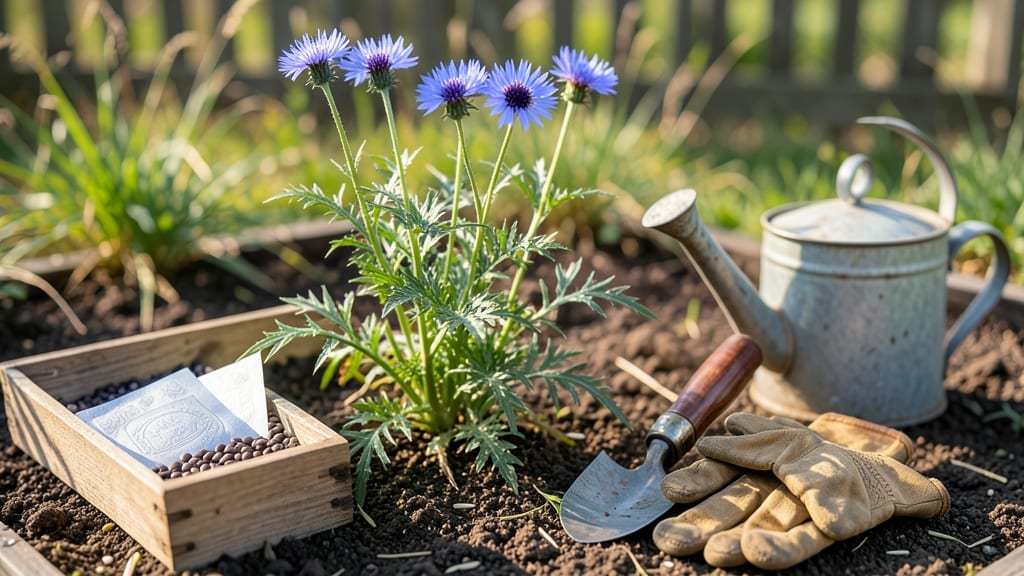
Planting cornflowers unlocks a summer of effortless blue blooms that hummingbirds adore. 🌻 I learned the hard way that these sun-loving annuals thrive with just three essentials: loose soil, full sun, and patience—no fancy tricks required.
The secret lies in timing: sow seeds directly in spring after the last frost, when soil warms to at least 50°F, and watch them self-seed for years of color.
These hardy flowers adapt to almost any soil, but they reward you most when planted in well-draining beds with a sprinkle of compost. Space seeds 6-12 inches apart in rows 12-18 inches apart, and keep them consistently moist until germination (about 10-14 days).
Once established, they’re drought-tolerant, making them perfect for low-maintenance gardens. By midsummer, you’ll have tall stems bursting with vibrant blue, pink, or white flowers that last for weeks. The blooms attract pollinators while adding a cottage-garden charm that’s impossible to resist.
Let them reseed naturally for next year’s show—no replanting needed. Whether you’re filling gaps in borders or creating a pollinator-friendly meadow, cornflowers deliver beauty with almost no effort. Here’s how to get started without overcomplicating it.
📚 In This Guide
- What you need
- Instructions
- Tips and common mistakes
- Wrapping up and next steps
What you need
- ● Cornflower seeds: Choose heirloom or organic seeds (e.g., 'Blue Boy,' 'Black Boy,' or 'Moonstruck'). Aim for 1-2 grams per 10 linear feet of garden bed for a lush display.
- ● Well-draining soil: Cornflowers thrive in loamy, slightly alkaline soil (pH 6.0–7.5). Amend heavy clay or sandy soil with compost (2–3 inches mixed into the top 6–8 inches) for better drainage.
- ● Sunlight: A full-sun location (6+ hours of direct sunlight daily) is a must—these flowers love basking in the sun!
- ● Watering can or hose: A gentle spray nozzle helps avoid disturbing seedlings.
- ○ Garden gloves (optional but recommended): Protects hands from prickly stems and thorns.
- ● Starter fertilizer: A low-nitrogen, balanced fertilizer (5-10-5 or 10-10-10) to boost early growth. Use sparingly—cornflowers prefer lean soil.
- ● Mulch (straw or shredded leaves): Helps retain moisture and suppress weeds. Apply 1–2 inches after germination.
- ● Plant markers: Small stakes or labels to track varieties if planting multiple types.
- ● Bird netting: Protects seeds from hungry birds during early planting (especially in open gardens).
- ● Pruning shears: For deadheading spent blooms to encourage continuous flowering.
Step-by-Step instructions for planting cornflowers
Here’s how to grow these cheerful, drought-tolerant blooms that will thrive in your sunniest spot.
🌱 Step 1: Choose the Right Location and Prepare the Soil
Cornflowers love full sun—at least 6-8 hours daily—so pick the sunniest, most open spot in your garden. They tolerate poor soil, but their blooms will be more vibrant if you loosen the top 6-8 inches of soil and mix in a handful of compost. Avoid heavy clay—it drains poorly and can cause root rot.
If your soil is sandy, add a thin layer of organic matter to help retain moisture. Cornflowers are tough but appreciate well-draining soil. Test the pH—ideal is 6.0-7.5. If your soil is too acidic, sprinkle in some lime to raise the pH slightly. You’ll know you’ve chosen well when the area feels loose and crumbly after amending.
🌱 Step 2: Sow Seeds at the Right Depth and Spacing
Scatter seeds ¼ inch deep, spacing them 12-18 inches apart for single stems or 8-12 inches apart if you want a denser display. Press them lightly into the soil—don’t bury them too deep, or they’ll struggle to emerge. I like to use my fingers to create small furrows, then drop seeds in rows for a tidy look.
Cornflower seeds germinate best in warm soil (60-70°F). If planting early in spring, cover the area with a lightweight row cover or wait until the soil warms naturally. Water gently after sowing to settle the soil around the seeds, but avoid soaking—this can wash them away. You’ll see sprouts in 7-14 days, depending on temperature.
☀️ Step 3: Water and Maintain for Continuous Blooms
Once seedlings appear, water deeply but infrequently—cornflowers are drought-tolerant once established. Aim for 1 inch of water per week, delivered at the base of the plants to avoid wetting the leaves (which can invite fungal diseases). You’ll know they’re getting enough water when the soil feels dry 1-2 inches below the surface.
Deadhead spent blooms regularly to encourage more flowers and prevent self-seeding where you don’t want it. Cornflowers are self-sufficient, but removing faded flowers keeps them blooming longer. Fertilizer isn’t necessary—these plants thrive in lean soil. If your soil is very poor, a light application of 5-10-10 fertilizer at planting time can give them a gentle boost.
✂️ Step 4: Enjoy and Extend the Season
Cornflowers are annuals, but they self-seed prolifically, often returning year after year in the same spot. To control where they pop up, collect and save seeds from your healthiest plants. Let a few flowers go to seed, then dry them indoors before storing in a cool, dark place.
For a longer display, stagger your plantings every 2-3 weeks in spring. This ensures a continuous cascade of blooms from early summer through fall. If you live in a warm climate, cornflowers may even rebloom after a light trim back in midsummer. They’re tough, cheerful, and perfect for cutting—just snip stems before the buds fully open for the longest vase life.
Tips & tricks for planting cornflowers
Took me a while to figure these out, so here goes—cornflowers are forgiving, but these little tricks will help you get the most vibrant blooms.
Sunlight Strategy: While cornflowers tolerate partial sun, they truly shine with that full 6-8 hours daily. If you're planting in spring, mark your sunniest spot by observing where shadows fall at different times of day. I've seen cornflowers in partial shade still bloom, but the stems get leggy and flowers fade faster. For the best display, prioritize that sunny location—especially if you want those iconic blue blooms to pop.
Soil Secret: The instructions mention compost, but here's what nobody tells you—cornflowers actually prefer soil that's not too rich. Too much compost or fertilizer can lead to lush foliage but fewer flowers. Stick with that handful of compost in Step 1, then let the plants do their thing. If your soil is truly poor, a light application of 5-10-10 fertilizer at planting is fine, but don't overdo it. These flowers are tough and don't need coddling.
Timing Tip: Those 7-14 days for germination can feel like forever, but here's how to speed things up: after sowing, cover the area with a clear plastic sheet instead of just watering. This creates a mini greenhouse effect that warms the soil faster. Just remove it once you see sprouts appearing. I've had cornflowers pop up in just 5-7 days using this trick, especially in warmer climates. Just be careful not to let the soil get waterlogged underneath.
Watering Wisdom: The 1 inch per week guideline is perfect, but here's the real secret: water in the morning. This gives any moisture on the leaves time to evaporate before evening, reducing the risk of fungal diseases. I've seen cornflowers develop powdery mildew when kept too wet overnight—especially in humid climates. A quick check with your finger (1-2 inches down) tells you when it's time to water again. These drought-tolerant plants will tell you when they're thirsty by wilting slightly.
Pro Tips for Plant Cornflowers
- Took me a while to figure these out, so here goes—cornflowers are forgiving, but these little tricks will help you get the most vibrant blooms.
- Sunlight Strategy: While cornflowers tolerate partial sun, they truly shine with that full 6-8 hours daily.
- Soil Secret: The instructions mention compost, but here's what nobody tells you—cornflowers actually prefer soil that's not too rich.
Frequently asked questions
Got questions about growing cornflowers? You're not alone! Here are some of the most common concerns—plus quick, expert-backed answers to help you cultivate a vibrant, low-maintenance garden.
When is the best time to plant cornflowers?
Cornflowers thrive in cool to mild spring temperatures (after the last frost) or early fall in warmer climates. For summer-long blooms, start seeds indoors 6–8 weeks before the last frost date or sow directly outdoors once soil reaches 50–60°F (10–15°C). They’re tough enough to handle light frosts, so don’t rush!
How deep and far apart should I plant cornflower seeds?
Sow seeds ¼ inch deep in well-drained soil, spacing them 12–18 inches apart for full sun exposure. If planting in rows, leave 18–24 inches between rows to allow airflow and prevent mildew. Thin seedlings to the recommended spacing once they’re 2–3 inches tall—this ensures strong stems and abundant blooms!
How often should I water cornflowers?
Water moderately (about 1 inch per week) during germination and early growth, but reduce watering once established—cornflowers are drought-tolerant! Overwatering can lead to root rot, so let the top inch of soil dry out between waterings. Mulch lightly to retain moisture without smothering the plants.
Why aren’t my cornflowers blooming?
Lack of blooms often stems from too much fertilizer (they prefer lean soil) or overcrowding. Ensure they get 6+ hours of full sun daily and deadhead spent blooms to encourage more flowers. If planted in rich soil, amend with compost instead of chemical fertilizers—cornflowers reward simplicity with vibrant color!
Can I grow cornflowers in containers or small spaces?
Cornflowers adapt well to containers (at least 12 inches deep) or small gardens. Use a well-draining potting mix and plant 1–2 seeds per 6-inch pot. They’re perfect for window boxes, hanging baskets, or urban gardens. Just ensure containers have drainage holes to prevent soggy roots.
Are cornflowers deer- or pest-resistant?
Cornflowers are deer-resistant and rarely troubled by pests, but aphids or spider mites may visit in extreme cases. If needed, spray with neem oil or introduce ladybugs—nature’s pest control! Their bitter taste deters most herbivores, making them a hassle-free addition to wildlife-friendly gardens.
Wrapping up and next steps
Planting cornflowers is a rewarding way to bring vibrant color and cheerful blooms to your garden all summer long! 🌸 With just a few simple steps—choosing the right location, preparing the soil, and giving them some love—you’ll enjoy their striking blue, pink, and purple hues in no time. Don’t wait—grab your seeds, get your hands dirty, and watch your garden transform!
Ready to take it further? Try experimenting with companion planting—cornflowers pair beautifully with lavender, marigolds, and even veggies like tomatoes. Happy gardening! 🌱