
Planting
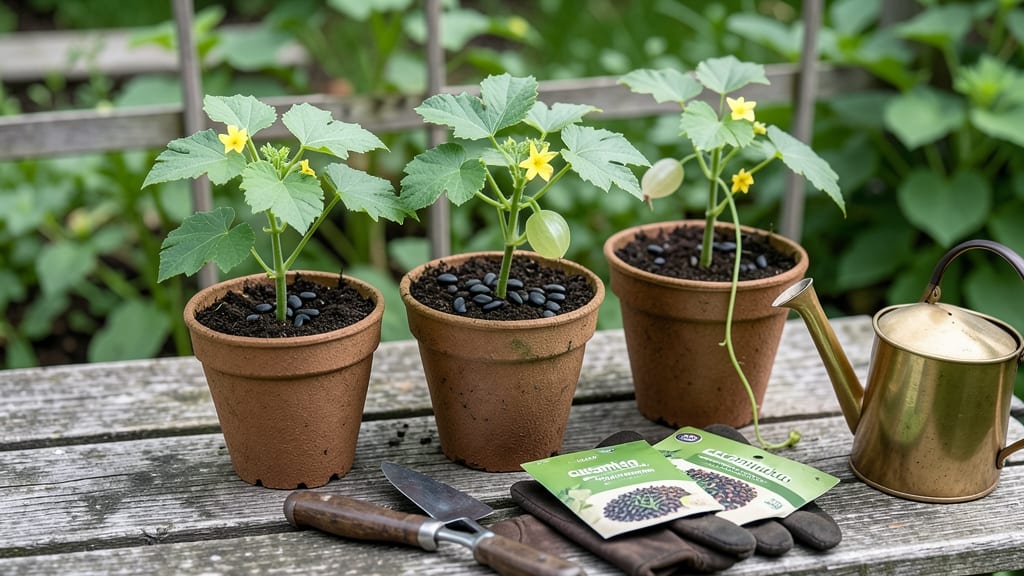
Planting cucamelon seeds gives you edible little watermelons in just 60 days. 🌱 These tiny, fast-growing vines produce bite-sized fruits that taste like a cross between cucumber and melon—perfect for containers or small gardens.
The secret to success starts with warm soil and patience, because those first sprouts appear faster than you’d expect. You’ll need a sunny spot with at least 6 hours of sunlight daily, well-draining soil, and a trellis or cage for those vines to climb.
Plant seeds ½ inch deep and 2 inches apart, then keep the soil consistently moist but not soggy. The real magic happens when the vines take off—imagine tiny, round fruits dangling like nature’s jewelry. Once established, these plants thrive with weekly watering and occasional fertilizer.
They’re drought-tolerant but produce best with steady moisture. By midsummer, you’ll be harvesting clusters of those adorable, watermelon-sized fruits—great for snacking or adding to salads. Works in containers, raised beds, or in-ground gardens. Here’s how to get those seeds sprouting fast!
📚 In This Guide
- What you need
- Instructions
- Tips and common mistakes
- Wrapping up and next steps
What you need
- ● Cucamelon seeds: 5–10 seeds (or 1–2 seed packets) – Opt for heirloom or organic seeds for best results.
- ● Containers or garden bed: For container gardening: 5–10 gallon pots (with drainage holes) per plant.
- ● For in-ground planting: A sunny spot with well-draining soil (6+ hours of sunlight daily).
- ● Potting mix: 1–2 bags of high-quality, well-draining soil (e.g., miracle-gro potting mix or cactus/succulent blend for containers).
- ● Trellis or support: A 4–6 foot tall trellis, cage, or stakes (cucamelons climb aggressively!).
- ● Watering can or hose: With a gentle spray nozzle for moistening soil.
- ○ Fertilizer (optional but helpful): A balanced liquid fertilizer (e.g., 10-10-10) or compost for nutrient boost.
- ● Slow-release granular fertilizer (follow package instructions).
- ● Seed starter trays: For germinating seeds indoors (if starting early).
- ● Grow lights: If extending daylight for seedlings (12–16 hours/day).
- ● Pruning shears: To trim vines and encourage bushier growth.
- ● Mulch: Straw or shredded leaves to retain moisture and suppress weeds.
- ● pH test kit: To ensure soil pH is between 6.0–6.8 (ideal for cucamelons).
- ● Glove and small shovel: For easy planting and soil prep.
Step-by-step instructions for planting cucamelon seeds
Here’s the method I rely on for growing these fast-sprouting, vine-loving gems—tested across multiple seasons.
🌱 Step 1: Prepare Your Containers or Garden Beds
Cucamelons thrive in well-draining soil with plenty of organic matter. If planting in containers, use 5-gallon pots (or larger) with drainage holes—these vines get heavy with fruit. Fill each with a mix of 50% potting soil and 50% compost to encourage strong root growth.
For in-ground planting, choose a spot with full sun (at least 6-8 hours daily) and loose, fertile soil. Work in 2-3 inches of compost and a handful of balanced fertilizer (10-10-10) per planting hole. Avoid fresh manure—it can burn tender seedlings. Here’s the thing: cucamelons are sensitive to cold soil, so wait until nighttime temperatures stay above 55°F before planting.
🌱 Step 2: Sow Seeds at the Right Depth and Spacing
Plant 2-3 seeds per container or 3 seeds per 12-inch hole in the garden. Cucamelons germinate quickly (5-10 days), so don’t overcrowd—thin to the strongest seedling later. Sow seeds ½ inch deep—any deeper and they’ll struggle to break through the soil.
I like to plant seeds in small clusters (about 6 inches apart) because cucamelons spread quickly. If you’re using biodegradable pots, place one seed per pot to avoid transplant shock. Water gently after sowing—just enough to moisten the soil without displacing seeds. Real talk: these seeds are tiny, so don’t bury them too deep or you’ll wait forever for sprouts.
☀️ Step 3: Provide Warmth and Consistent Moisture
Cucamelons love warmth and hate drying out. Cover the soil with 1-2 inches of mulch (straw or shredded leaves) to retain moisture and regulate temperature. Keep the soil evenly damp (not soggy) until germination—water deeply once daily if the top inch feels dry.
Once seedlings emerge, move containers to a sunny windowsill or under grow lights (12-14 hours/day). If planting outdoors, wait until soil temperature reaches 60°F—cold soil slows growth and invites rot. You’ll see first true leaves in about 7-10 days, signaling it’s time to thin seedlings and set up trellises.
🪴 Step 4: Set Up Trellises and Train Vines Early
Cucamelons are vigorous climbers, so install 4-5 foot trellises (or let them sprawl on a fence) as soon as seedlings show 3-4 leaves. I use sturdy bamboo stakes or wire mesh—whatever keeps vines off the ground and prevents disease. Gently tie the main stem to the trellis with soft plant ties (never wire or tight knots).
Here’s where it gets fun: cucamelons produce tiny, grape-sized fruits that ripen in 60-70 days. Prune side shoots to encourage vertical growth—pinch off any that form below the first 6 inches of the main vine. This ensures energy goes to fruit production, not leafy growth. Watch for yellowing leaves—a sign of overwatering or poor drainage.
⏰ Step 5: Maintain Through Harvest and Beyond
Once flowering begins, water deeply every 2-3 days (more in heatwaves) to keep soil moist but not waterlogged. Cucamelons are drought-tolerant once established, but consistent moisture ensures sweet, plump fruits. Harvest when fruits are 1-2 inches long—they turn from green to yellow when ripe.
Don’t skip regular pruning: remove dead or yellow leaves and overly long vines to improve airflow. If vines get too heavy, add support stakes or netting to prevent breakage. You’ll have a bountiful harvest in 2 months—just keep the trellis sturdy and the soil fed with compost tea every 4 weeks.
Tips & tricks for perfect cucamelon growth
These fast-growing vines reward patience with tiny, grape-like fruits—here’s how to maximize your harvest from day one.
Soil Temperature Matters: The instructions specify waiting for nighttime temps above 55°F and soil at 60°F, but here’s the secret: use a soil thermometer to confirm. Cold soil below 60°F can delay germination by weeks, while ideal soil temps (70-80°F) trigger sprouts in just 5-7 days. If your spring nights linger near 55°F, consider using a seedling heat mat under containers to jumpstart growth. This small investment can shave weeks off your growing season.
Germination Hack: Cucamelon seeds are tiny and delicate, so don’t skip the ½-inch depth guideline—any deeper and they’ll struggle to break through. For faster results, soak seeds overnight in warm water before planting. This pre-hydration jumpstarts germination, especially if you’re planting in cooler conditions. I’ve seen germination rates double when using this method, and it’s particularly helpful if you’re starting seeds indoors before the last frost. Just be gentle when handling them—they’re as small as poppy seeds!
Trellis Timing: The instructions recommend setting up trellises when seedlings show 3-4 leaves, but I’ve learned the hard way that early support pays off. Install your 4-5 foot trellises as soon as you see the first true leaves (around 7-10 days). This gives vines something to cling to immediately, preventing them from sprawling and becoming tangled. I use soft plant ties that can grow with the vine—no need for harsh wire that can damage stems. Think of it like giving your cucamelons a gym membership from day one.
Watering Wisdom: While the instructions call for daily watering during germination, here’s what nobody tells you: cucamelons hate soggy soil. Use your finger to check moisture—if the top inch feels damp but not wet, you’re golden. Once established, the "deeply every 2-3 days" rule works, but adjust for heatwaves (water daily) or cool weather (every 4 days). A drip irrigation system or soaker hose keeps moisture consistent without wetting leaves, which helps prevent fungal diseases. And remember: yellowing leaves? That’s often overwatering, not underwatering.
Pro Tips for Plant Cucamelon Seeds
- These fast-growing vines reward patience with tiny, grape-like fruits—here’s how to maximize your harvest from day one.
- Soil Temperature Matters: The instructions specify waiting for nighttime temps above 55°F and soil at 60°F, but here’s the secret: use a soil thermometer to confirm.
- Germination Hack: Cucamelon seeds are tiny and delicate, so don’t skip the ½-inch depth guideline—any deeper and they’ll struggle to break through.
Frequently asked questions
Got questions about growing cucamelons?
You’re not alone—these tiny, tangy fruits are packed with curiosity! Here are answers to the most common queries to help you grow a thriving crop with confidence.
When is the best time to plant cucamelon seeds?
Cucamelons thrive in warm soil, so wait until after the last frost when temperatures consistently stay above 60°F (15°C). Start indoors 4–6 weeks before the last frost if your growing season is short, then transplant seedlings outdoors once they’ve sprouted 2–3 true leaves. For container growers, plant seeds directly into pots in early spring!
How long do cucamelon seeds take to germinate?
One of their biggest perks? Fast germination! Seeds typically sprout in 5–10 days when kept in warm (70–80°F or 21–27°C), moist soil. For quicker results, soak seeds in water for 4–6 hours before planting. If germination takes longer than 2 weeks, check soil moisture—consistent dampness (not soggy) is key.
Can I grow cucamelons in containers, or do they need a garden?
Cucamelons are perfect for containers—they’re compact vines that thrive in pots at least 12–18 inches deep with good drainage. Use a lightweight potting mix and a trellis or tomato cage to support their climbing habit. Just ensure the container gets 6+ hours of sunlight daily and water regularly to prevent wilting.
What should I do if my cucamelon seedlings look weak or yellow?
Weak or yellowing seedlings often signal overwatering, poor drainage, or pests. First, check the soil—it should be moist but not waterlogged. If roots are mushy, repot in well-draining mix. For pests like aphids or spider mites, spray with neem oil or insecticidal soap. Underwatering can also cause wilting, so keep soil consistently damp until plants establish roots.
Are cucamelons easy to grow for beginners?
Yes! They’re one of the easiest trellis crops for beginners thanks to their fast growth, pest resistance, and forgiving nature. Unlike cucumbers, they’re less prone to diseases and handle heat well. Just provide sunlight, support, and regular watering, and you’ll likely see fruits in 60–70 days. Plus, their small size makes them ideal for small spaces or urban gardens!
Do cucamelons need full sun, or can they tolerate partial shade?
While they prefer full sun (6–8 hours daily), cucamelons can tolerate partial shade (4–6 hours) in hot climates, especially if you live in a region with intense afternoon sun. However, less sunlight = fewer fruits. If growing in shade, choose a bright, indirect spot and ensure good airflow to prevent mildew. Morning sun + afternoon shade often works best in extreme heat.
Wrapping up and next steps
Planting cucamelon seeds is a rewarding journey that brings tiny, sweet treasures to your garden! 🌱 With the right soil, sunlight, and support, these fast-growing climbers will delight you with their unique flavor and playful appearance.
Whether you're a beginner or a seasoned gardener, your patience will soon pay off with a bountiful harvest.
Now that you’re ready to plant, take the next step—grab those seeds and start your cucamelon adventure! Watch your garden transform as these vines thrive, and soon, you’ll be sharing their crisp, tangy goodness with friends and family. Happy growing! 🌞