
Planting
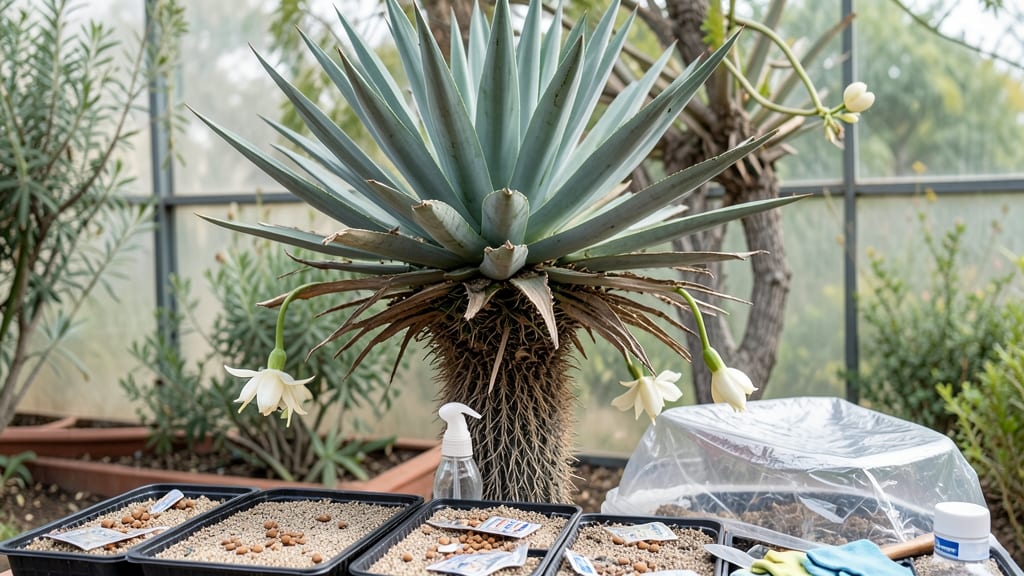
Planting Joshua tree seeds unlocks a desert icon right in your yard—if you know the patience and precision they demand. 🌵 These slow-growing beauties won’t rush, but with the right soil mix and watering rhythm, you’ll see those iconic branches emerge after years of careful nurturing.
The key starts with mimicking their native Mojave habitat: gritty soil, minimal moisture, and relentless sun.
You’ll need a shallow tray or individual pots with fast-draining cactus mix—never regular potting soil. Scatter seeds just below the surface (¼ inch deep) and space them 2 inches apart to avoid crowding.
Water lightly only after planting, then let the soil dry completely before watering again. Overwatering is the fastest way to kill them, so think "drought" from day one.
Germination takes 3-6 months (sometimes longer), and the first shoots look like tiny green needles rather than the familiar spiky branches. Keep them in full sun—6+ hours daily—and protect from frost.
The real magic happens in 5-10 years, when those arms start stretching toward the sky. Patience pays off with a plant that thrives where little else will.
Desert conditions are non-negotiable: no humidity trays, no shade cloth. If you live outside the Southwest, grow them in containers and bring them indoors during winter. The slow growth isn’t a flaw—it’s how Joshua trees conquer harsh landscapes.
Stick with it, and you’ll have a living piece of the desert in your own backyard.
📚 In This Guide
- What you need
- Instructions
- Tips and common mistakes
- Wrapping up and next steps
What you need
- ● Joshua Tree seeds – 5–10 seeds (fresh or stored in a cool, dry place for up to 2 years).
- ● Well-draining potting mix – 1–2 gallons of a blend like cactus/succulent mix (or 50% potting soil + 50% perlite/pumice).
- ● Small pots or seed trays – 2–4" diameter pots (or a shallow tray with drainage holes).
- ● Drainage material – Pebbles, coarse sand, or broken pottery pieces (1–2 inches at the pot’s base).
- ● Spray bottle – For gentle watering (avoid soaking!).
- ● Clear plastic wrap or humidity dome – To retain moisture during germination.
- ● Tweezers or toothpick – For handling tiny seeds.
- ○ Heat mat (optional) – Set to 70–80°F (21–27°C) to speed up germination.
- ● Grow lights or sunny windowsill – Bright, indirect light after sprouting.
- ○ Fertilizer (low-nitrogen, optional) – Diluted succulent fertilizer (1/4 strength) every 2–3 months.
- ● Label & marker – To track planting dates (patience is key—germination can take months!).
Step-by-Step instructions for growing Joshua tree seeds
Here's how I grow these iconic desert giants—no green thumb required, just patience and the right conditions.
🌱 Step 1: Stratify Seeds for Germination
Joshua tree seeds need a cold period to break dormancy. Place seeds in a sealed container with a damp paper towel, then refrigerate for 4-6 weeks. Check weekly—they should feel moist but not soggy. This mimics winter in their natural habitat and triggers germination.
I like to label the container with the date to track the cold treatment. If seeds dry out during storage, simply rewet the towel and return to the fridge. The key is consistency—fluctuating moisture levels can prevent successful stratification.
💧 Step 2: Prepare Light, Well-Draining Soil Mix
Fill small pots (about 4 inches deep) with a mix of 50% cactus/succulent soil and 50% coarse sand or perlite. This ensures excellent drainage—Joshua trees hate soggy roots. Moisten the mix lightly until it feels like a damp sponge, then plant seeds ¼ inch deep.
I tap the pots gently on the table after planting to settle the soil without compacting it. The goal is to create an airy medium that mimics their native rocky desert soil. Overwatering now is the biggest mistake—wait until the top inch feels dry before adding more moisture.
☀️ Step 3: Provide Warmth and Bright, Indirect Light
Place pots in a warm spot (75-85°F) with bright, indirect light for the first 2-3 weeks. A south-facing window works well, but avoid direct midday sun—young seedlings are sensitive to intense heat. If using a grow light, position it 6-12 inches above the pots.
Germination can take 4-12 weeks, so don’t rush it. I cover the pots with clear plastic wrap to retain humidity, but remove it daily for 10 minutes to prevent mold. Watch for tiny green sprouts—this is your signal to reduce humidity and increase airflow.
✂️ Step 4: Transplant and Harden Off Seedlings
Once seedlings reach 2-3 inches tall (usually after 6-12 months), transplant them into 6-inch pots with the same soil mix. Handle them gently—their roots are delicate. Place them in a sunny, sheltered spot outdoors for 1-2 hours daily, gradually increasing exposure over 2 weeks.
This hardening-off period is critical. I start with morning sun only, then slowly introduce afternoon heat. Joshua trees are tough, but sudden heat shocks can stunt growth. After two weeks, they should handle full desert sun—just keep watering lightly until established.
Tips & tricks for planting Joshua tree seeds
Growing Joshua tree seeds takes time, but these simple tricks will help you avoid common pitfalls and set your seedlings up for success.
Cold Treatment Consistency: During the 4-6 week refrigeration in Step 1, I place the sealed container in the crisper drawer of my fridge where temperatures stay most stable. This helps maintain the critical 34-40°F range needed for stratification. If your fridge fluctuates, consider using a small refrigerator or cooler designed for seed storage—consistent cold is the secret to breaking dormancy.
Soil Mix Secret: For Step 2, I recommend adding a handful of small gravel or crushed granite to your 4-inch pots before mixing in the soil. This mimics the rocky desert soil Joshua trees grow in naturally and prevents compaction. After planting, I use a chopstick to make tiny holes around each seed—just enough to create air pockets without disturbing the seed's position.
Lighting Strategy: In Step 3, if you don't have a south-facing window, position your grow light on a timer for 12-14 hours of light daily during the first 2-3 weeks. I've found that consistent light cycles help prevent leggy seedlings. The 6-12 inch distance is crucial—any closer and you risk heat damage, any farther and the light becomes too weak for proper growth.
Hardening Off Hack: When you're ready to move seedlings outdoors in Step 4, I create a mini greenhouse effect by placing a clear plastic dome or even a cut-off plastic bottle over each pot during the 1-2 hour outdoor sessions. This helps them acclimate to outdoor conditions while protecting them from sudden temperature drops at night. Remove the cover gradually over the 2-week period as they build resilience.
Pro Tips for Plant Joshua Tree Seeds
- Growing Joshua tree seeds takes time, but these simple tricks will help you avoid common pitfalls and set your seedlings up for success.
- Cold Treatment Consistency: During the 4-6 week refrigeration in Step 1, I place the sealed container in the crisper drawer of my fridge where temperatures stay most stable.
- Soil Mix Secret: For Step 2, I recommend adding a handful of small gravel or crushed granite to your 4-inch pots before mixing in the soil.
Frequently asked questions
Got questions about growing Joshua Tree seeds? You’re not alone—these desert giants have unique needs! Here are answers to the most common queries to help you succeed:
How long does it take for Joshua Tree seeds to germinate?
Patience is key! Under ideal conditions (warmth, moisture, and proper soil), germination can take anywhere from 2 weeks to 6 months. Some seeds may even wait until spring rains to sprout. Keep soil consistently moist but not soggy—persistence pays off!
Can I plant Joshua Tree seeds outdoors in winter?
Not recommended! Joshua Trees thrive in hot, arid climates and are sensitive to cold. Wait until spring or early summer (after the last frost) to plant outdoors. If you’re in a colder zone, start seeds indoors under grow lights until temperatures warm up.
What if my seeds won’t sprout—did I do something wrong?
Don’t panic! Joshua Tree seeds are notoriously tricky. Try these fixes:
- Stratification: Mimic winter by chilling seeds in a damp paper towel in the fridge for 4–8 weeks before replanting.
- Light exposure: Some seeds need sunlight to germinate—place pots in a bright, indirect spot.
- Patience: These seeds can take years in the wild—give them time!
Are there easier desert plants to grow instead?
If Joshua Trees feel too challenging, try these low-maintenance alternatives:
Plant
Why It’s Easier
Prickly Pear Cactus
Fast-growing, drought-tolerant, and propagates from pads.
Agave
Thrives in heat, minimal watering needed, and produces striking foliage.
Desert Marigold (Baileya multiradiata)
Bright flowers, hardy, and attracts pollinators.
Still want a Joshua Tree? Stick with it—the reward is worth it!
Why are my seedlings dying after sprouting?
Overwatering is the #1 killer! Joshua Trees hate wet feet. Let soil dry completely between waterings—think "drought-proof" even as a seedling. Also, ensure pots have drainage holes and use a cactus/succulent mix to prevent rot.
Wrapping up and next steps
Planting Joshua tree seeds is a rewarding way to bring a touch of the desert’s resilience to your garden—or even your indoor space! 🌵 With patience, the right conditions, and a dash of care, you’ll nurture a living piece of the Southwest’s iconic landscape.
Ready to see your tiny seeds transform into towering beauties?
Your next step? Start small—grab those seeds, set up your growing space, and watch the magic unfold! Whether you’re a seasoned gardener or a curious beginner, every seed planted is a step toward a greener (and greener-thinking) future. Happy growing! 🌱