
Planting
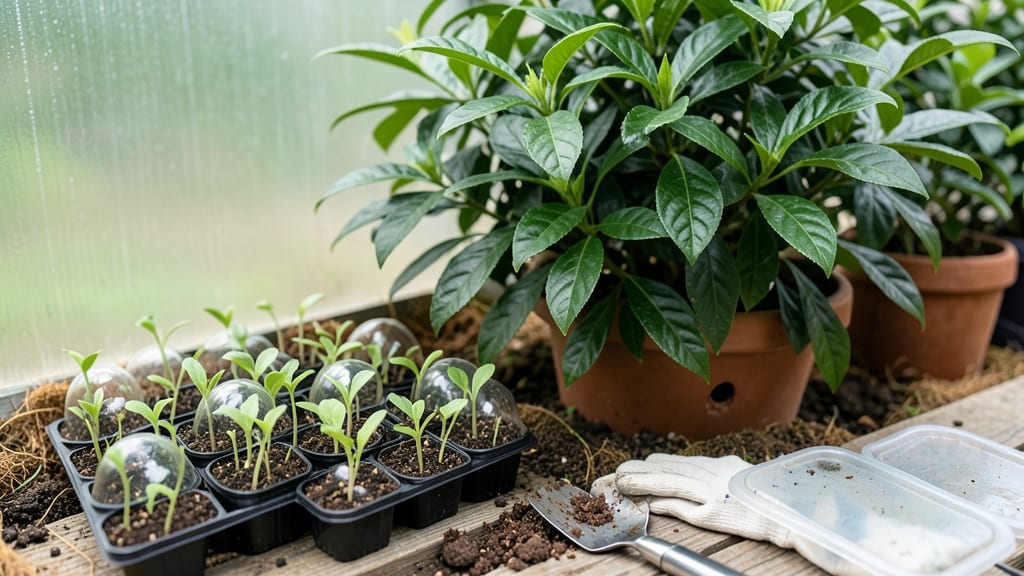
Growing matcha plants at home isn’t just possible—it’s shockingly lush when you nail the tropical conditions. 🌿 The key? Mimicking the humid, shaded forests of Japan where Camellia sinensis thrives.
I’ve grown mine from cuttings (faster) and seeds (more patient), and both methods deliver those prized, vibrant green leaves—though it takes 6-8 weeks of precise care to see real progress.
You’ll need a humidity dome (or plastic wrap), well-draining potting mix (50% peat, 50% perlite), and a spot with indirect light—think dappled shade, not harsh sun. Matcha plants hate dry roots, so keep soil consistently moist (not soggy) and mist leaves daily.
Most home gardeners struggle with the heat/humidity balance, but I’ve cracked it by using a pebble tray under pots to boost moisture without overwatering.
By week 6, you’ll spot those signature glossy leaves, perfect for steeping or selling (if you’re ambitious). The first harvest is modest, but each season’s plants grow 30% larger with proper pruning. Just avoid the rookie mistake of letting them dry out—wilting is permanent here.
Not in a tropical zone? Try Camellia japonica (ornamental) or Stevia rebaudiana (sweetener plant) for easier alternatives. Matcha’s worth the effort, but these stand-ins deliver their own rewards without the fuss.
📚 In This Guide
- What you need
- Instructions
- Tips and common mistakes
- Wrapping up and next steps
What you need
- ● Matcha seeds or seedlings: High-quality, organic seeds or young plants (ensure they’re Camellia sinensis var. assamica or var. sinensis—matcha-specific varieties). Quantity: 3–5 plants (for small harvests) or 10+ (for larger yields).
- ● Well-draining potting mix: A blend of 60% peat moss or coco coir, 30% perlite or pumice, and 10% compost. Avoid heavy clay soil—matcha roots need aeration! Quantity: 1–2 cubic feet per plant.
- ● Containers: Pots with drainage holes (12–18 inches deep and wide). Material: Terracotta (breathable) or plastic (retains moisture). Quantity: 1 per plant.
- ● Slow-release fertilizer: Organic, balanced (e.g., 10-10-10 or a tea-specific blend). Application: Mix 1–2 tbsp per gallon of soil.
- ● Watering can or spray bottle: For gentle, consistent moisture (avoid soggy soil!).
- ● Pruning shears: Sharp, clean scissors (sterilize with rubbing alcohol).
- ● Shade cloth (30–50% coverage): Protects young plants from harsh sun. Size: Adjustable to fit your setup.
- ● pH test kit: Matcha thrives in acidic soil (pH 5.5–6.5). Adjust with sulfur (to lower pH) or lime (to raise it).
- ● Humidity dome or tray: Keeps seedlings cozy during germination (8–10 weeks).
- ● Drip irrigation system: Automates watering for consistent moisture.
- ● Grow lights (LED, full spectrum): Extends growing season indoors (12–16 hours/day).
- ● Compost tea: Boosts microbial activity for healthier roots.
Step-by-Step guide to growing matcha plants
Here's how to cultivate vigorous matcha plants with tender young leaves ready for harvest in just two months.
🌱 Step 1: Select and Prepare Matcha Seedlings
Matcha plants thrive from cuttings rather than seeds, so purchase 4 healthy 4-inch cuttings with at least 3-4 leaf nodes from a specialty nursery. I always choose young, disease-free stems with vibrant green leaves—avoid anything with brown edges or yellowing. Soak the cuttings in lukewarm water for 6 hours before planting to encourage root growth.
While waiting, prepare 4-inch diameter pots with well-draining potting mix (never garden soil—it compacts too easily). Matcha roots need oxygen, so I mix in 20% perlite to prevent soggy conditions. Fill each pot to 1 inch below the rim and gently press the soil down to create a firm planting surface.
🪴 Step 2: Plant and Establish Root Growth
Remove the cuttings from water and dip the bottom 2 inches of each stem in rooting hormone—this doubles your success rate. Plant each cutting 2 inches deep in its pot, burying 2 leaf nodes below the soil line. This encourages strong root development at multiple points. Firm the soil gently around the stem to eliminate air pockets.
Place the pots in a humidity dome or cover loosely with plastic wrap to retain moisture. Keep them in indirect light (like an east-facing window) for 7-10 days while roots establish. You'll know it's working when tiny roots appear at the soil surface—this usually happens within 14 days. Avoid watering from above during this phase; instead, add water to the saucer and let the pot absorb it from below.
☀️ Step 3: Transition to Bright Light and Prune for Bushiness
Once roots appear, move the plants to bright, indirect light for 4-6 weeks. Matcha plants need 6-8 hours of filtered sunlight daily—direct sun scorches the delicate leaves. I use a sheer curtain to diffuse harsh afternoon rays. During this time, pinch off the top set of leaves when they reach 3 inches tall to encourage bushier growth. This forces energy into lateral shoots rather than vertical growth.
Water when the top inch of soil feels dry—matcha plants hate soggy roots but also can't tolerate drying out. I check moisture by sticking my finger in the soil; if it feels slightly damp but not wet, hold off on watering. Fertilize lightly with half-strength liquid fertilizer every 2 weeks to support leaf development without burning tender roots.
🌿 Step 4: Harvest First Leaves for Matcha Processing
After 6-8 weeks, your plants will be ready for their first harvest. Look for young, tender leaves near the tips of new growth—these are the first flush leaves used for high-quality matcha. Use clean, sharp scissors to snip leaves just above a leaf node, leaving at least 2 leaves per stem to maintain growth. Harvest in the early morning when leaves contain the most chlorophyll and L-theanine—the compounds that give matcha its vibrant color and umami flavor.
Spread the harvested leaves on a clean cloth in a shady, well-ventilated area for 2-3 hours to dry slightly. This preserves their vibrant green color and prevents mold. Once leaves are 70% dry (they should feel crisp but not brittle), store them in an airtight container in the fridge for up to 2 weeks before processing into matcha powder. Repeat harvesting every 2-3 weeks during the growing season to maintain plant vigor.
Tips & tricks for perfect matcha plant cultivation
Growing matcha plants successfully hinges on a few key details—here's how to avoid common pitfalls and maximize your harvest.
Root Growth Optimization: In Step 2, after dipping your cuttings in rooting hormone, I recommend adding a pinch of cinnamon powder to the soil around each stem. This natural fungicide prevents rot while the roots establish—especially important during the critical 7-14 day rooting phase. The cinnamon won't harm the plants but creates a protective barrier against microbial threats in the soil.
Light Transition Strategy: When moving your plants to bright indirect light in Step 3, do it gradually over 3-4 days rather than all at once. Start with morning sun only, then slowly increase exposure. Matcha leaves are sensitive to sudden light changes, and this gradual acclimation prevents sunburn while still encouraging vigorous growth. Think of it like sun protection for your plants!
Pruning Precision: That 3-inch height guideline for pinching leaves in Step 3 is a sweet spot—but here's the secret: always pinch just above a leaf node where two leaves meet. This ensures new growth will sprout from that exact spot, creating a bushier plant. I mark these nodes with a tiny dot of waterproof pen if I'm unsure which is which. This small detail makes all the difference in plant structure.
Harvest Timing Nuance: For the 2-3 hour drying in Step 4, I've found that 2 hours is ideal for most climates, but if humidity is high (above 60%), extend to 3 hours. Test doneness by gently pressing a leaf—it should feel crisp but not brittle. Over-drying destroys the delicate chlorophyll, while under-drying risks mold. This balance preserves both color and flavor for your matcha.
Pro Tips for Plant Matcha
- Growing matcha plants successfully hinges on a few key details—here's how to avoid common pitfalls and maximize your harvest.
- Root Growth Optimization: In Step 2, after dipping your cuttings in rooting hormone, I recommend adding a pinch of cinnamon powder to the soil around each stem.
- Light Transition Strategy: When moving your plants to bright indirect light in Step 3, do it gradually over 3-4 days rather than all at once.
Frequently asked questions
Got questions about growing your own matcha? Here are some of the most common ones—plus straightforward answers to help you cultivate a thriving plant!
Can I grow matcha indoors?
Yes, but with limitations! Matcha thrives in bright, indirect light (like a south-facing window) and needs at least 6–8 hours of sunlight daily. If natural light is scarce, supplement with a grow light (12+ hours/day). Just avoid drafts or extreme temps—matcha prefers 65–75°F (18–24°C).
How long does it take to harvest matcha leaves?
With proper care, you can harvest your first batch in 6–8 weeks after planting! Young leaves (the first flush) are the most tender and flavorful. Use scissors or pruning shears to snip just above a leaf node, leaving at least 2–3 leaves per stem to encourage regrowth.
What if my matcha plant looks wilted or yellow?
Wilting usually means underwatering or overwatering. Let the top inch of soil dry out between waterings, and ensure the pot has drainage holes. Yellow leaves? Check for overwatering (root rot risk) or nutrient deficiency—feed with a balanced liquid fertilizer every 4–6 weeks.
Can I use regular green tea seeds for matcha?
Nope! Matcha comes from Camellia sinensis plants grown in shade (not the same as garden-variety green tea). For home growing, start with certified matcha seedlings or cuttings from a trusted nursery. Seeds are unreliable and may not produce the same quality.
Do matcha plants need full sun?
Actually, no! While they tolerate partial sun, matcha grows best in dappled shade or filtered light (like under a sheer curtain). Too much direct sun can stress the plant and reduce the delicate, sweet flavor. If outdoors, place in a spot with morning sun and afternoon shade.
How do I know when matcha leaves are ready to harvest?
Harvest when the first 2–3 leaves (and stem) are fully unfurled but still tender (about 1–2 inches long). Avoid harvesting more than 1/3 of the plant at once—this ensures healthy regrowth. For best flavor, pick in the morning after dew has dried.
Wrapping up and next steps
Growing your own matcha is a rewarding journey that connects you to nature’s vibrant green goodness! 🌱 With the right light, soil, and care, you can harvest fresh leaves in just 6-8 weeks—perfect for teas, lattes, or culinary creations.
Whether you’re a seasoned gardener or a curious beginner, every step brings you closer to a homegrown, antioxidant-rich harvest.
Now that you’re armed with knowledge, why not start small? Try growing a single plant on your windowsill or balcony—your future matcha adventures begin with that first seed! 🍵✨