
Planting
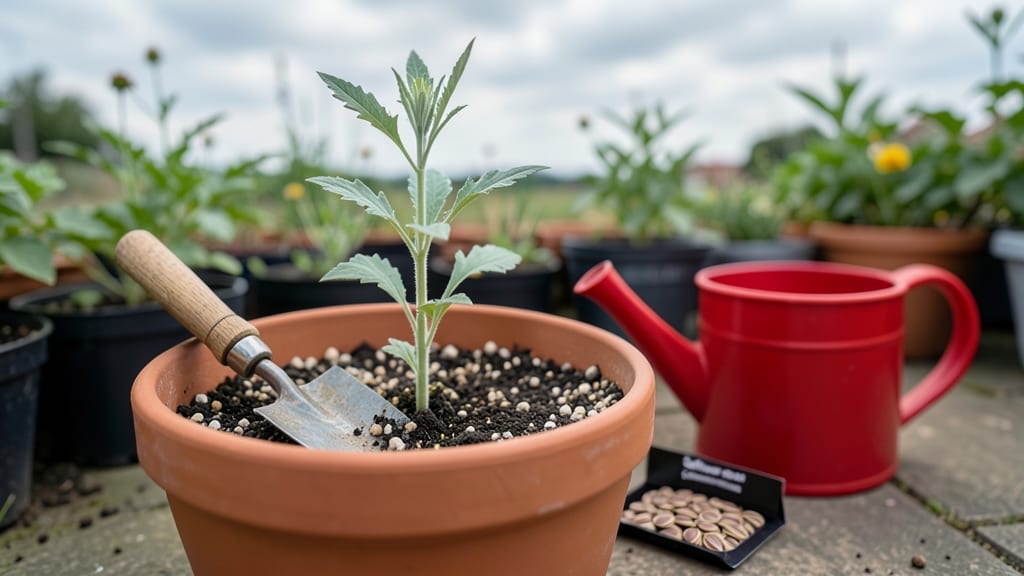
Planting safflower seeds in spring unlocks a drought-resistant beauty that grows fast and towers over your garden with striking blooms.
Imagine a plant that thrives in full sun, asks for almost no care, and still delivers vibrant colors and pollinator-friendly blooms—all while standing tall like a natural sunflower. That’s the magic of safflower 🌼, and it’s easier to grow than you might think.
With the right soil, spacing, and a little patience, you’ll have safflower seedlings popping up in just 7-10 days. Whether you’re after ornamental height or edible seeds, these sun-lovers reward minimal effort with maximum impact.
Below, I’ll walk you through exactly how to plant safflower for fast germination and healthy growth—plus tips to keep those blooms standing strong all season long.

Step-by-step guide to planting safflower for fast germination
Safflower seeds germinate quickly when planted in the right conditions, but timing and soil preparation make all the difference. Unlike many flowers, safflower thrives in hot, dry climates and doesn’t tolerate soggy soil.
The key to fast germination is warm soil and consistent moisture—here’s exactly how to create those perfect conditions for your seeds.
I’ve planted safflower in both spring and fall, but spring planting (after your last frost date) gives you the fastest results. If you’re in USDA Zone 6a or warmer, aim for April to early May when soil temperatures reach at least 60°F (15°C).
For cooler climates, wait until the ground is thoroughly warmed by the sun to avoid slow, uneven germination.
How to Plant Safflower for Fast Germination
- 1 Choose the Right Location: Select a spot with full sun exposure (6+ hours daily) and well-draining soil. Avoid low-lying areas where water pools after rain.
- 2 Prepare the Soil: Loosen soil to a depth of 12 inches using a garden fork. Mix in compost or aged manure (1-2 inches) to improve drainage and fertility. Safflower hates compacted or clay-heavy soil.
- 3 Plant Seeds at the Right Depth: Sow seeds ½ inch deep and 12-18 inches apart in rows spaced 24 inches apart. Press seeds gently into soil—don’t bury them deeper, or germination slows dramatically.
- 4 Water Gently but Thoroughly: Keep soil consistently moist (not soggy) until seeds sprout. Use a fine mist spray or drip irrigation to avoid displacing seeds. Aim for ½ inch of water per week during germination.
- 5 Thin Seedlings for Strong Growth: Once seedlings reach 2 inches tall, thin them to 12-18 inches apart. Snip weaker stems at the base with scissors—don’t pull to avoid disturbing roots.
- 6 Add Mulch for Moisture Retention: Apply a 1-inch layer of straw or wood chips around plants to retain soil moisture and suppress weeds. Keep mulch 2 inches away from stems to prevent rot.
One of the biggest mistakes I see beginners make is overwatering after germination. Safflower is drought-tolerant once established, but seeds need consistent moisture to sprout. Once seedlings emerge, reduce watering to deep soaks every 7-10 days. This encourages deep root growth and prevents leggy, weak stems.
For faster germination, I’ve found that soaking seeds overnight in lukewarm water before planting can reduce sprouting time by 2-3 days. Just place seeds in a bowl of water for 8-12 hours, then drain and plant immediately.
This trick works especially well in cooler spring conditions when soil warmth is still building.
If you’re planting in containers or raised beds, use a fast-draining potting mix with added perlite or sand. Safflower roots hate waterlogged conditions, so ensure containers have drainage holes and avoid saucers that trap excess water.
In containers, you’ll need to water more frequently (every 5-7 days) because soil dries out faster.
Watch for seedling emergence in 7-14 days, depending on soil temperature. If germination takes longer than 2 weeks, check for damp soil conditions—safflower seeds rot if kept too wet.
Once sprouts appear, move to regular watering schedules and enjoy watching your plants reach their 4-5 foot mature height in just a few months.
Pro tip: Mark your safflower rows with biodegradable flags to avoid accidentally disturbing seedlings during weeding. These plants grow tall quickly, but their roots are delicate early on—gentle care now means strong blooms later. 🌼
Optimal growing conditions: sunlight, soil, and spacing secrets
Safflowers crave sunlight like no other plant—think 6+ hours of direct sun daily to unlock their towering growth and vibrant blooms. Without enough light, they’ll stretch awkwardly or fail to flower entirely.
My Zone 6a garden proves this: safflowers planted in partial shade barely reach 2 feet, while those in full sun hit 5 feet by summer’s end. This sun-loving habit makes them perfect for southern exposures or container gardens on patios.
The secret to happy safflowers lies in their soil’s drainage. They despise soggy roots—well-draining loam or sandy soil is ideal. Amend heavy clay with compost and perlite to prevent root rot.
I’ve seen safflowers thrive in raised beds filled with a 50/50 mix of garden soil and coarse sand, while in-ground plantings need a 12-inch deep hole backfilled with gritty soil. Test your soil’s pH—aim for 6.0-7.5—and avoid waterlogged spots where seeds might rot.
Spacing determines whether your safflowers will compete for resources or flourish independently. Give them 12-18 inches apart in rows 2 feet apart for optimal airflow and sunlight penetration. Crowding leads to weak stems and fewer blooms.
In containers, use 5-gallon pots with one plant per pot—they’ll still reach 3-4 feet tall but need daily sun and larger pots for stability.
| Factor | In-Ground Planting | Container Planting |
|---|---|---|
| Sunlight Needs | 6+ hours full sun | 6+ hours full sun |
| Soil Type | Well-draining loam | Potting mix + perlite |
| Spacing | 12-18" apart | 1 plant per 5-gal pot |
| Watering | Deep soak weekly | Every 5-7 days |
| Height Potential | 4-5 feet | 3-4 feet |
| Best For | Large gardens | Patios, balconies |
Climate plays a surprising role in safflower success. In hot, dry regions like Arizona, they thrive with minimal water once established, while cooler coastal areas may need extra mulch to retain warmth.
I’ve grown safflowers in Zone 8a’s heat with no irrigation after 30 days, but in Pacific Northwest’s mild summers, they need consistent moisture until roots establish. Always check your last frost date—safflowers hate cold and should only be planted after soil reaches 50°F.
For urban gardeners, containers are a game-changer. Use fabric grow bags to prevent root circling and add hydrogel crystals to retain moisture in arid climates.
My balcony safflowers in 5-gallon pots bloom just as prolifically as in-ground plants, though they need daily sun and weekly fertilizing with a 5-10-10 mix. The trade-off? You can move them indoors before winter’s first frost to extend their life.
Remember: safflowers reward precision. Give them full sun, well-draining soil, and proper spacing, and you’ll enjoy tall stems, vibrant blooms, and drought-resistant beauty with minimal effort.
Whether in-ground or in containers, these sun-seekers will transform your garden into a pollinator paradise—all while standing taller than your average tomato plant. 🌼