
Planting
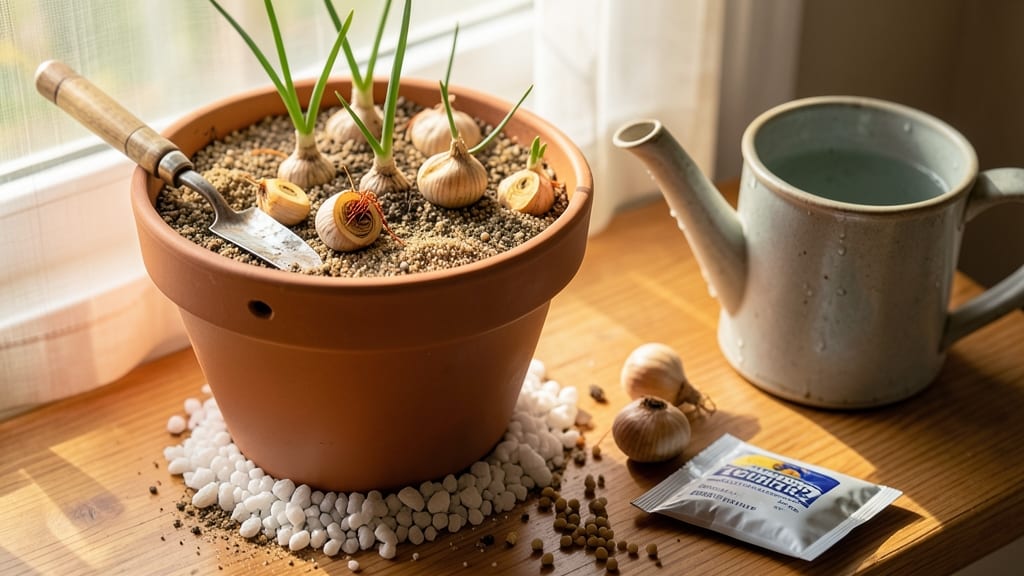
Planting saffron bulbs in pots unlocks golden harvests on patios where soil is too shallow for crocus roots. 🌱 The secret lies in mimicking their Mediterranean home: well-draining soil, bright light, and winter dormancy.
I’ve grown saffron in 10-inch pots for three seasons now, and each fall, those delicate purple flowers yield the world’s most expensive spice—right outside my kitchen door.
You’ll need just three things: a pot with drainage holes (at least 8 inches deep), a mix of gritty potting soil and perlite, and saffron corms purchased from a reputable supplier. Plant them 2-3 inches deep, spacing them 2-3 inches apart—crowding leads to weak stems and poor spice quality.
The key is patience; saffron needs a full season to establish before producing flowers, but once it does, you’ll harvest 50-100 threads per plant.
After planting, water lightly until the soil is moist but not soggy—saffron hates wet feet. Place the pot in full sun (6+ hours daily) and let it dry out completely between waterings in summer.
When the first frost hits, reduce watering to mimic dormancy. By late winter, you’ll spot those signature purple blooms, and each flower holds three precious stigmas—worth their weight in gold.
Troubleshooting is simple: yellowing leaves? Too much water. No flowers? Not enough light or dormancy. My biggest mistake was using regular garden soil—saffron needs that gritty texture to breathe. With these adjustments, even small spaces can yield a harvest worth bragging about. Ready to grow your own spice gold?
📚 In This Guide
- What you need
- Instructions
- Tips and common mistakes
- Wrapping up and next steps
What you need
- ● Saffron bulbs (Crocus sativus) – 3–5 bulbs per 6-inch pot (or 1 bulb per 4-inch pot). Choose high-quality, dormant bulbs (available at specialty nurseries or online).
- ● Well-draining potting mix – A blend of 50% peat-free potting soil, 30% perlite or coarse sand, and 20% compost (saffron hates soggy roots!).
- ● Pots with drainage holes – 6-inch or larger (terracotta or ceramic works best). No drainage = sad saffron!
- ● Gravel or small stones – 1–2 inches for the pot’s base (improves drainage).
- ● Watering can with a rose attachment – For gentle, bottom-watering (avoid soaking the bulbs!).
- ● Plant labels & marker – To track planting dates (saffron has a 90–120-day dormancy cycle!).
- ● Slow-release fertilizer (low-nitrogen, like 5-10-10) – Sprinkle a pinch at planting time.
- ● Mulch (straw or shredded leaves) – Lightly cover soil after planting to retain moisture.
- ● Grow lights (if indoors) – Saffron needs 12–14 hours of light/day for flowering.
- ● Thermometer – To monitor soil temps (ideal: 50–60°F for dormancy, 60–70°F for growth).
- ● Glove & tweezers – For handling delicate bulbs (saffron’s stigmas are fragile!).
Step-by-step instructions for planting saffron bulbs in pots
Here's how to grow saffron's prized crocus bulbs in containers—no garden needed.
🌱 Step 1: Choose the Right Containers and Drainage
Saffron bulbs need excellent drainage, so pick pots with multiple holes or drill extra drainage if yours only has one. I use 6-inch-wide terra cotta pots for each bulb—these let excess moisture evaporate through the walls. If your pots lack drainage, add a layer of pebbles or broken pottery at the bottom to prevent root rot.
Fill the pot one-third full with gritty potting mix (I blend regular potting soil with 20% perlite). This ensures water drains quickly but still holds enough moisture for the delicate bulbs. Tap the pot gently to settle the mix without compacting it—you want it loose enough for roots to spread.
🪴 Step 2: Plant the Bulbs at the Correct Depth and Spacing
Saffron bulbs are tiny—about the size of a grape—but they need 3-4 inches of soil above them to thrive. Place each bulb with its pointy end up and rounded base down in the center of the pot. Cover them with 2-3 inches of soil, leaving 1 inch of space between the soil surface and the pot rim for watering.
Don’t plant more than one bulb per 6-inch pot—crowding leads to weak stems and fewer flowers. If you’re using larger pots (like 10-inch containers), space 3-4 bulbs evenly around the center, keeping them 2 inches apart. Water lightly after planting to settle the soil around the bulbs.
☀️ Step 3: Position for Bright Light and Cool Temperatures
Saffron bulbs need full sun (6+ hours daily) but will rot in summer heat. Place pots in a south-facing spot where they get morning sun and afternoon shade. If your climate stays hot year-round, move them to a shaded patio or under a tree after flowering.
Keep soil slightly moist but never soggy—water when the top inch feels dry. Overwatering is the #1 killer of saffron bulbs. In winter, let the soil dry out completely between waterings, as bulbs need a cool, dormant period to produce flowers the next season.
⏰ Step 4: Wait for Flowers and Harvest Saffron Threads
Flowers appear in late fall to early winter, usually 8-10 weeks after planting. You’ll spot their deep purple blooms peeking through the soil. Harvest in the morning on a dry day—gently twist the flowers off the stems (don’t pull them) and lay them on a paper towel to dry for 24 hours.
Remove the three crimson threads from each flower (these are the saffron you’ll use). Store them in an airtight container away from light—just one teaspoon of dried threads makes a pot of rice fragrant. Replant the bulbs in early fall for another harvest next season.
🌿 Step 5: Maintain Bulbs for Year-After-Year Harvests
After flowering, let the foliage die back naturally—don’t cut it. This process feeds the bulb for next year’s harvest. In late spring, when the leaves turn yellow, reduce watering but don’t let the soil dry out completely. Fertilize lightly with balanced 10-10-10 in early fall before new growth starts.
Every 3-4 years, divide crowded bulbs by gently separating them with your fingers and replanting the largest ones. This keeps your saffron harvest strong. With patience, your pots will yield dozens of threads per bulb—worth the wait!
Tips & tricks for perfect saffron bulb planting in pots
Confession: I planted saffron bulbs twice before getting the drainage right—and lost both batches. Here's what I learned to make your first attempt foolproof.
Drainage is Non-Negotiable: If your pots don't have drainage holes, don't skip this step! I've seen people use plastic containers with just one hole at the bottom, and that's a recipe for root rot. For every pot without proper drainage, add a 2-inch layer of pebbles or broken terracotta pieces at the bottom. This creates a natural barrier that prevents water from pooling around the bulb roots. Terra cotta pots are ideal—they're porous and allow excess moisture to evaporate through the sides.
Soil Mix Matters More Than You Think: That "gritty potting mix" isn't just marketing—it's essential. I blend regular potting soil with 20% perlite to create the perfect texture: loose enough for roots to spread but still able to hold moisture. Pro tip: Tap the pot gently after adding soil to settle it without compacting. You want the mix to feel like a firm pillow—not concrete. This prevents water from pooling around the bulb's neck, which is where most rot problems start.
Timing Your Planting for Success: The 8-10 week timeline in Step 4 assumes you're planting in early fall. If you're in a warm climate, aim for late summer planting so the bulbs establish roots before winter. Here's my secret: I plant mine in October, which gives them just enough time to root before the cooler months. In warmer zones, you can plant as late as November—but be prepared to move pots to a cooler spot if temperatures stay above 70°F.
Harvesting Like a Pro: That 24-hour drying time for the saffron threads is crucial, but here's what nobody tells you: Use a dark-colored paper towel for drying. The crimson threads will show up more dramatically against dark backgrounds, making them easier to handle. Also, store your dried threads in a small glass jar with a tight lid—just a teaspoon makes a pot of rice fragrant, so you won't need much!
Pro Tips for Plant Saffron Bulbs In Pots
- Confession: I planted saffron bulbs twice before getting the drainage right—and lost both batches.
- Drainage is Non-Negotiable: If your pots don't have drainage holes, don't skip this step!
- Soil Mix Matters More Than You Think: That "gritty potting mix" isn't just marketing—it's essential.
Frequently asked questions
about growing saffron in pots—because even golden threads need a little TLC! Here’s what you really need to know before diving in.Can I grow saffron indoors year-round?
Saffron thrives best in cool seasons (spring/fall) with 10–12 hours of sunlight daily. While you can grow it indoors under grow lights, it’s trickier—expect slower growth and lower yields. A sunny windowsill or greenhouse works better for consistent results. Pro tip: Mimic outdoor conditions by adjusting light cycles in winter!
How long does it take for saffron bulbs to produce flowers?
Patience is key! Saffron corms (bulbs) typically take 8–12 weeks to sprout and 3–4 months to flower after planting. First-year yields are minimal, but by the second year, you’ll see 3–5 flowers per corm—each with 3 precious stigmas. Fun fact: It’s worth the wait for those golden threads!
What if my saffron leaves turn yellow or wilt?
Yellowing leaves often signal overwatering or nutrient deficiency. Let the soil dry slightly between waterings, and fertilize lightly with a balanced, low-nitrogen mix (like 5-5-5) every 4–6 weeks. Wilting? Check for root rot (too much moisture) or pests (like aphids). Fix it: Adjust watering, improve drainage, and inspect leaves for bugs!
Can I reuse the same pot for saffron year after year?
Yes, but refresh the soil! Saffron depletes nutrients, so replace the top 2–3 inches of soil annually or mix in compost. Avoid overcrowding—1–2 corms per 6-inch pot is ideal. Bonus tip: Sterilize pots between uses to prevent disease buildup!
What’s the easiest alternative to saffron for pots?
If saffron feels too finicky, try turmeric (edible roots, golden hue) or calendula (bright orange flowers, easy-care). For a similar flavor, annatto seeds (from achiote trees) add color and mild spice. Note: None replace saffron’s luxury, but they’re great for beginners!
Do I need to harvest the flowers immediately?
Saffron stigmas are best picked the morning after blooming—they wilt quickly. Use tweezers to gently remove the 3 crimson stigmas + style (avoid the yellow base). Dry them in a cool, dark place for 2–3 weeks. Pro move: Label your pots to track bloom dates!
Wrapping up and next steps
Growing saffron in pots is a rewarding way to enjoy this prized spice without needing a sprawling garden—just a little patience and care! 🌱 By following these steps, you’ll soon have vibrant crocuses blooming and those coveted golden threads ready for harvest.
Once your plants are thriving, consider expanding your setup: try growing a few more pots for a bigger yield or experiment with companion plants like lavender to enhance flavor and aesthetics.
Now that you’re equipped with the know-how, roll up your sleeves and get planting! Your kitchen—and taste buds—will thank you later. 💛