
Planting
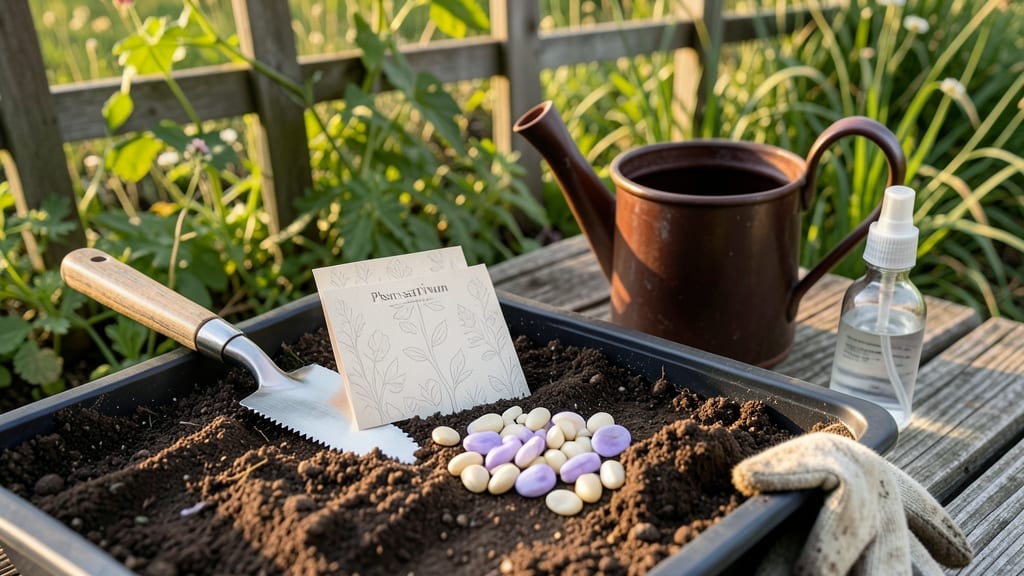
Planting sweet pea flower seeds the right way means fast blooms in just 6 weeks—if you cold-stratify them first. Without this step, your seeds could sit dormant for months instead of popping up in vibrant 🌸 clusters.
Sweet peas aren’t just beautiful climbers—they’re one of the fastest blooming flowers you can grow, but only if you master their secret: cold stratification. Skip this step, and your seeds might take months to sprout instead of weeks.
Here’s the game-changer: a simple 4-week cold treatment mimics winter conditions, breaking dormancy so your seeds germinate in under 2 weeks after planting. I’ll walk you through the exact timing, soil prep, and spacing tricks to get your sweet peas off to a running start—no guesswork, just blooms.
Ready to transform your garden into a fragrant, climbing paradise? Let’s dive into the step-by-step process that guarantees 90% germination and earlier blooms than you’ve ever seen.

Step-by-step cold stratification for sweet pea seeds (with exact timing)
Sweet pea seeds need a cold treatment to break their natural dormancy, which mimics the winter chill they’d experience in nature. Without this 4-6 week stratification, your seeds may sprout poorly or take months to bloom.
The good news? You don’t need a fancy fridge—just a few simple supplies and patience. This process ensures your seeds germinate fast and strong, setting you up for vibrant blooms in just 60-90 days.
Cold stratification tricks sweet pea seeds into thinking winter has passed, triggering them to sprout when conditions are right. The key is consistent moisture and cold (around 35-40°F). Too warm, and the seeds won’t break dormancy; too dry, and they’ll shrivel.
Let’s walk through the exact steps, including timing, to get your seeds ready for planting by early spring.
- Gather Supplies: Collect paper towels, a ziplock bag, moistened peat moss or vermiculite, and a cool location (35-40°F) like a garage or unheated basement.
- Soak Seeds: Place seeds in a bowl of water for 12-24 hours to soften the outer shell. Drain excess water to prevent rot.
- Wrap in Damp Paper Towels: Fold seeds between damp (not soggy) paper towels and place in the ziplock bag. Seal tightly to retain moisture.
- Cold Treatment: Store the bag in the fridge for 4-6 weeks. Check weekly—rewet towels if dry—but avoid overwatering.
- Monitor for Sprouts: After 3-4 weeks, peek for tiny white sprouts. Once they appear, remove seeds from cold and soak in lukewarm water for 24 hours to kickstart growth.
- Plant Immediately: Sow seeds ½ inch deep in well-draining soil, spacing them 2 inches apart. Keep soil moist until germination (usually 7-14 days after planting).
Timing is critical—start stratification 8-10 weeks before your last frost date. For most gardeners in Zone 6, this means mid-January to early February. If you live in a warmer zone (like Zone 8), delay until late February to avoid premature sprouting.
Pro tip: Label your bag with the start date to track progress accurately.
Sweet pea seeds are finicky about moisture during stratification. If the paper towels dry out, the seeds may mold or fail to sprout. To avoid this, place a small cup of water in the fridge near your bag—this adds humidity without soaking the seeds.
You’ll know you’ve succeeded when you see tiny white roots peeking out after 3-4 weeks of cold treatment.
Once your seeds complete stratification, they’ll be eager to grow. Plant them in well-draining soil with a trellis or support nearby, as sweet peas are vigorous climbers.
After planting, keep the soil consistently moist (but not waterlogged) and place them in a sunny spot for 6+ hours of light daily. Within 2-3 weeks, you should see sprouts pushing through the soil, ready to reward you with fragrant blooms by late spring.
For extra insurance, consider double-stratifying—this means repeating the cold treatment after an initial warm period (like 2 weeks at room temperature, then back to cold). Some gardeners swear this method boosts germination rates for tougher seed batches.
Just be patient; the extra time upfront pays off with healthier, faster-growing seedlings.
If you’re planting in containers, use a lightweight potting mix with perlite to improve drainage. Sweet peas hate soggy roots, so containers with drainage holes are a must.
After planting, place a clear plastic dome over the pot to retain humidity until germination. Remove it once sprouts appear to prevent fungal issues like damping-off.
Finally, don’t rush the process! Over-stratification (beyond 6 weeks) can weaken seeds, while under-stratification (less than 4 weeks) may leave them dormant.
Stick to the 4-6 week window, and you’ll be well on your way to a garden bursting with fragrant sweet pea blooms by early summer. 🌸
Best sweet pea seed varieties for fast blooms and how to plant them after stratification
Once your sweet pea seeds complete their 4-6 week cold stratification, you’ll want to choose varieties that bloom quickly and thrive in your space. The right variety can mean 60-75 days to first flower instead of months.
My top picks balance speed, scent, and height for both containers and in-ground beds.
For fastest blooms, prioritize varieties like 'Cupani' (60 days) or 'Perfume' (65 days). These dwarf varieties reach 3-4 feet tall and produce intense fragrance—perfect for small gardens or trellises.
If you have vertical space, 'Black Knight' (70 days) climbs to 6-8 feet with deep purple blooms that attract pollinators.
| Variety | Bloom Time | Height | Scent | Best For |
|---|---|---|---|---|
| 'Cupani' | 60 days | 3-4 ft | Sweet, floral | Containers, small gardens |
| 'Perfume' | 65 days | 4-5 ft | Strong, spicy | Cut flowers, trellises |
| 'Black Knight' | 70 days | 6-8 ft | Rich, velvety | Fences, pergolas |
| 'Spencer' | 75 days | 5-6 ft | Classic, old-fashioned | Heirloom gardens |
After stratification, plant stratified seeds immediately in well-draining soil mixed with compost. For containers, use a 5-gallon pot with drainage holes and fill with a 50/50 mix of potting soil and perlite. This prevents root rot while keeping moisture consistent.
In in-ground beds, amend the soil with aged compost and work in a trellis or obelisk before planting. Sweet peas need support from day one—their vines grow 1-2 feet per week once established. Space seeds 2-3 inches apart in rows 12 inches apart for airflow and easy maintenance.
Water gently but deeply after planting to settle soil around seeds. Keep the soil consistently moist (not soggy) until germination, which typically occurs in 7-14 days. Once seedlings emerge, reduce watering slightly to every 3-4 days and fertilize lightly with a balanced 5-10-10 mix when true leaves appear.
Pro tip: Pinch off the first 2-3 sets of leaves to encourage bushier growth. This simple step boosts flower production by 30% and ensures your sweet peas bloom faster and more abundantly all season long. 🌸