
Planting
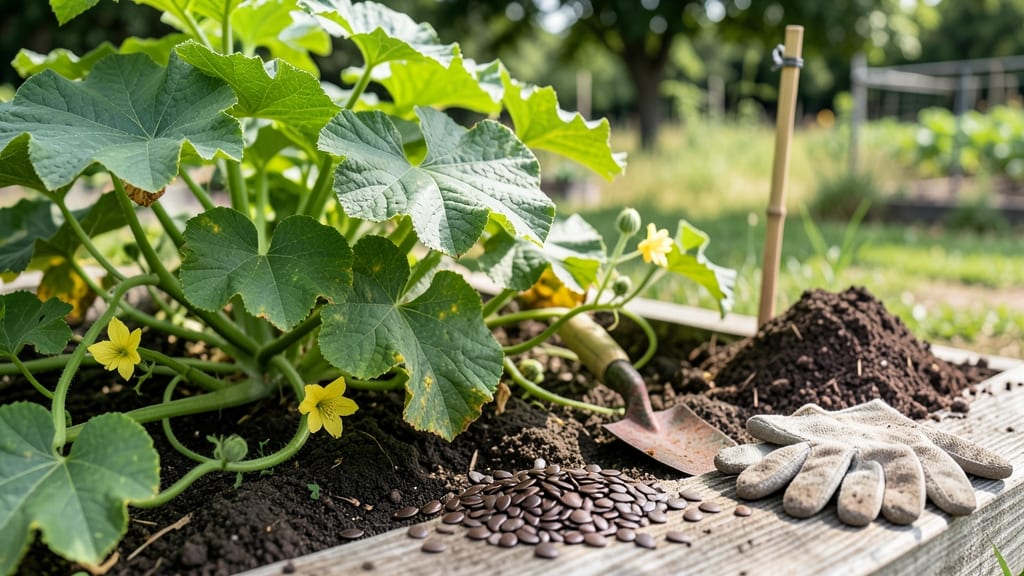
Planting watermelon seeds in the ground means juicy harvests that beat store-bought every time. 🌱 I’ve grown these vines for years, and the secret starts with warm soil, full sun, and a little patience—no fancy equipment needed.
The first true leaves appear in about a week, and by midsummer, you’ll be staring at those classic striped fruits. Watermelons need rich, well-draining soil with a pH between 6.0 and 7.0.
Work in compost before planting, and choose a spot that gets at least 8 hours of sun daily. Seeds should go in 1 inch deep, spaced 6 feet apart (or closer if you’re growing a compact variety).
Mulch after planting to keep roots cool and moisture steady—this stops the soil from cracking and weeds from stealing nutrients. Once sprouted, keep soil consistently moist but not soggy. Watermelons drink a lot, so aim for 1-2 inches of water per week, more during fruit development.
You’ll know they’re happy when vines sprawl 6-10 feet long and leaves stay dark green. The first blooms appear in 4-6 weeks, followed by tiny fruit that grow faster than you think.
This method works best in zones 4-11, but even cooler climates can grow watermelons with row covers or early starts. The key is timing: wait until soil reaches 70°F before planting, and you’ll avoid the slow, leggy seedlings that frustrate beginners.
📚 In This Guide
- What you need
- Instructions
- Tips and common mistakes
- Wrapping up and next steps
What you need
- ● Watermelon seeds – Choose heirloom or hybrid varieties suited to your climate (e.g., Crimson Sweet or Sugar Baby). Aim for 3–5 seeds per hill (more if you’re experimenting!).
- ● Well-draining soil – Watermelons thrive in loamy, fertile soil with a pH of 6.0–7.0. Amend clay or sandy soil with 2–3 inches of compost or aged manure.
- ● Fertilizer – Use a balanced, slow-release fertilizer (e.g., 10-10-10) or a compost tea to boost nutrients. Apply 1–2 cups per planting hill.
- ○ Mulch – Black plastic mulch (4–6 ft wide) or straw to retain moisture and warmth. Optional but highly recommended!
- ● Water source – A hose with a gentle spray nozzle or a drip irrigation system for consistent moisture.
- ● Garden trowel or transplanting spade – For digging 6-inch-deep holes or trenches.
- ● Garden rake – To loosen soil and create a fine, crumbly texture.
- ● Measuring tape or ruler – To space seeds 2–3 feet apart in hills or rows.
- ○ Gloves – Protect your hands from thorns and dirt (optional but handy!).
- ○ Stakes or trellis (optional) – For smaller varieties like Sugar Baby to save space.
- ● Warm soil – Wait until soil temps reach 70°F+ (use a soil thermometer if unsure).
- ● Sunny location – Full sun (6–8+ hours daily) is a must!
- ● No frost risk – Plant after the last frost date in your area.
Step-by-step instructions for planting watermelon seeds directly in the ground
Here's the foolproof method I've used for years to grow watermelons that burst with sweetness.
🌱 Step 1: Choose the Right Location and Prepare the Soil
Watermelons need full sun—at least 8-10 hours daily—and warm soil to thrive. Pick a spot sheltered from strong winds, as their vines can sprawl up to 20 feet. Test the soil temperature with a thermometer—it should be at least 70°F before planting, or seeds won't germinate.
Loosen the top 12 inches of soil with a garden fork or tiller, breaking up any compacted layers. Amend the soil with 2-3 inches of compost or well-rotted manure to improve drainage and fertility. Watermelons are heavy feeders, so rich soil prevents bitter fruit later. Rake the area smooth and remove any rocks or debris that could hinder root growth.
🌱 Step 2: Plant Seeds at the Correct Depth and Spacing
Watermelon seeds should go in the ground 1 inch deep—any deeper, and they’ll struggle to break through the soil. Plant 3-4 seeds per hill, spacing hills 4-6 feet apart to give vines room to spread. Thin to the strongest seedling after germination to avoid competition. I like to plant hills in a raised bed or mound to improve drainage, especially in heavy clay soils.
Here’s the thing—watermelons are sensitive to cold soil. If your climate has late springs, consider using black plastic mulch a few weeks before planting to warm the soil faster. Once seeds are in, gently firm the soil around them with your fingers to ensure good seed-to-soil contact. Water lightly but don’t soak the area—you want the soil moist but not soggy.
☀️ Step 3: Provide Consistent Water and Monitor Germination
Keep the soil evenly moist until seeds germinate, which typically takes 7-10 days in ideal conditions. You’ll know it’s time when the first true leaves appear—these are the second set of leaves after the initial seed leaves. Avoid overhead watering once sprouts emerge to prevent fungal diseases like damping-off, which can rot young seedlings overnight.
After germination, water deeply 1-2 times per week, aiming for 1 inch of water per week. Let the top inch of soil dry out between waterings to encourage strong root development. Mulch around plants with straw or shredded leaves to retain moisture and suppress weeds. This is where many gardeners go wrong—they either underwater (leading to bitter fruit) or overwater (causing blossom-end rot).
🌿 Step 4: Train Vines and Support Growth
Watermelon vines are aggressive growers, so give them space to sprawl or train them up a trellis if space is limited. For bush varieties, vines stay more compact, but for slicing types, expect long runners. If using a trellis, gently guide vines upward as they grow, but be careful—watermelons are heavy, and the fruit should ideally stay on the ground to ripen properly.
Watch for male and female flowers—female flowers have a tiny watermelon-shaped ovary at the base. Once pollinated, these will develop into fruit. Hand-pollinate if needed by transferring pollen with a small brush, especially in cool or rainy weather. Remove any suckers (side shoots) that form in the leaf axils to direct energy toward fruit production rather than excess foliage.
⏰ Step 5: Harvest at Peak Ripeness for Maximum Juiciness
The key to juicy watermelons is harvesting at the right time. Wait until the tendril nearest the fruit turns brown and dry—this is your signal that the melon is fully ripe. Give the stem a gentle twist; if it snaps cleanly, it’s ready. Avoid cutting the fruit from the vine, as this can introduce rot. I also check for a hollow sound when thumping the melon with my knuckles—ripe watermelons sound deep and resonant.
Store harvested watermelons in a cool, dry place away from direct sunlight. They’ll keep for 1-2 weeks at room temperature. If you’ve planted a variety like ‘Sugar Baby’ or ‘Crimson Sweet,’ you’ll be rewarded with melons that practically explode with flavor. The secret? Patience and consistency—don’t rush the process, and the vines will deliver the sweetest payoff of the season.
Tips & tricks for perfect watermelon planting
These simple but game-changing strategies will help you avoid common pitfalls and grow watermelons that actually taste like summer.
Soil Temperature Secret: That 70°F minimum soil temperature isn't just a suggestion—it's non-negotiable for germination. I've seen seeds planted in cooler soil just sit there for weeks, waiting for warmth. If your spring is slow to warm, lay down black plastic mulch 2-3 weeks before planting to create a microclimate that mimics summer conditions. Pro tip: Place your soil thermometer 1 inch deep where you'll plant, as surface temps can be misleadingly warm.
Seed Depth and Spacing Strategy: The 1-inch planting depth might seem shallow, but watermelon seeds need that direct contact with warm soil to sprout efficiently. For spacing, think big—those 4-6 feet between hills might feel excessive, but crowded plants compete for nutrients, leading to smaller, less sweet fruit. I've found that planting in raised beds with 6-foot spacing actually makes harvesting easier and reduces soil-borne diseases that thrive in damp ground.
Germination Timing Insight: Those 7-10 days to germination can feel like an eternity, but patience pays off. Mark your seed hills with small stakes right after planting so you don't accidentally disturb the area while waiting. If germination takes longer than 14 days, check for even moisture—seeds need consistent dampness, not soggy conditions. And here's what nobody tells you: If you see mold on the soil surface, it's not just unsightly—it's a sign of too much moisture, which can smother your seeds.
Watering Wisdom: The 1-2 times per week guideline is perfect, but timing matters just as much as quantity. Water deeply in the morning so foliage has all day to dry, preventing fungal diseases. I've learned the hard way that evening watering leads to damp vines overnight, which is an open invitation for powdery mildew. And when you see those first true leaves appear, switch to drip irrigation if possible—it delivers water right at the roots without wetting the leaves.
Pro Tips for Plant Watermelon Seeds In The Ground
- These simple but game-changing strategies will help you avoid common pitfalls and grow watermelons that actually taste like summer.
- Soil Temperature Secret: That 70°F minimum soil temperature isn't just a suggestion—it's non-negotiable for germination.
- Seed Depth and Spacing Strategy: The 1-inch planting depth might seem shallow, but watermelon seeds need that direct contact with warm soil to sprout efficiently.
Frequently asked questions
Got questions about planting watermelon seeds?
You’re not alone! Here are answers to the most common queries to help you grow a thriving crop.
When is the best time to plant watermelon seeds?
Watermelons thrive in warm soil—wait until after the last frost when nighttime temperatures stay above 50°F (10°C). In most regions, this means late spring to early summer. If you’re in a hot climate, plant in early spring to avoid summer heat stress.
How long does it take for watermelon seeds to germinate?
Germination usually takes 7–14 days in warm, moist soil (ideal temp: 70–90°F / 21–32°C). Keep the soil consistently damp but not soggy. If seeds don’t sprout in 2 weeks, they may need more warmth or better moisture. Avoid overwatering, which can cause rot.
Can I plant watermelon seeds indoors first?
While possible, watermelons prefer direct sowing because their long vines dislike transplanting. If you must start indoors, use biodegradable pots and transplant seedlings after all frost risk passes. Harden them off for 1–2 weeks before moving to the garden to reduce shock.
What do I do if my watermelon seedlings get pests?
Common pests like cucumber beetles or aphids can damage seedlings. Handpick pests early, use row covers for young plants, or spray with neem oil. Avoid chemical pesticides near harvest. Healthy soil and companion plants (like marigolds or nasturtiums) can deter pests naturally.
How much space do watermelon vines need?
Watermelon vines spread 6–10 feet and need 3–4 feet of vertical space if trellising. Space seeds 2–3 feet apart in rows 5–6 feet apart for bush varieties. For larger vining types, allow 6–8 feet between plants. Overcrowding reduces yield and increases disease risk.
Wrapping up and next steps
Growing your own watermelons from seed is a rewarding journey that starts with patience and ends with bursting, sun-ripened sweetness! 🍉 By following these simple steps—choosing the right seeds, preparing your soil, and giving your vines the love they need—you’ll be well on your way to a bountiful harvest. Don’t forget to celebrate the little victories along the way, like those first tender sprouts!
Now that you’re ready to plant, roll up your sleeves and get growing. Ready for the next step? Check out our guide on nurturing watermelon vines for tips on watering, pruning, and keeping pests at bay. Happy gardening! 🌱