
Planting
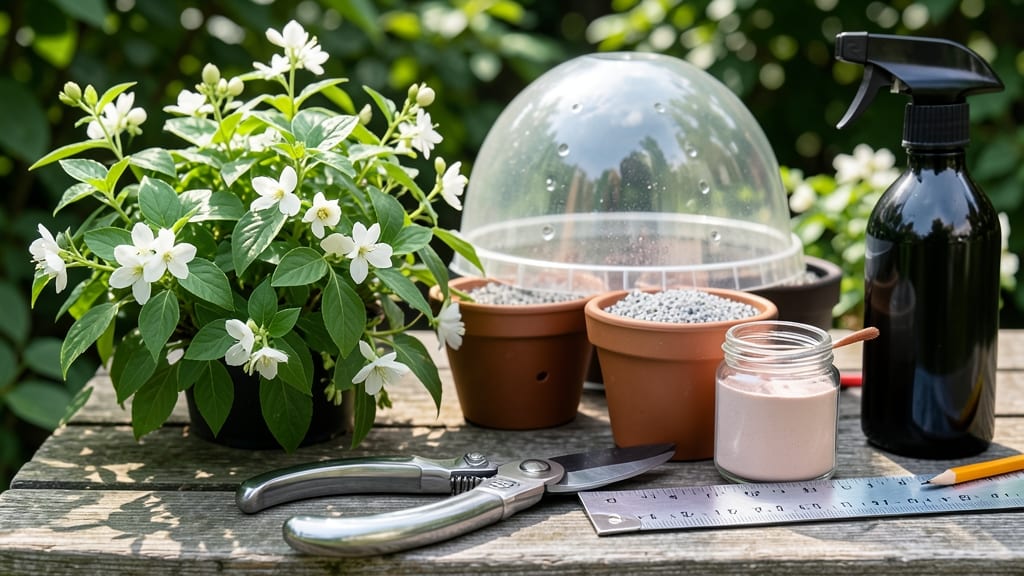
How to take cuttings from the jasmine plant is the easiest way to multiply your fragrant vines—just snip, dip, and wait. 🌿 I’ve propagated jasmine for years, and the secret lies in timing, sharp scissors, and patience. Start with 4-6 inch semi-hardwood stems in late spring or early summer when new growth is firm but not woody.
The magic happens in the first 2-3 weeks as roots form. You can root cuttings in water or moist soil—both work, but soil keeps humidity steady. My success rate jumped after I stopped overwatering and started using rooting hormone. Even beginners get results with this method.
By summer’s end, you’ll have bushy new plants ready to climb trellises or fill containers. The fragrance alone makes it worth the effort. Just avoid these pitfalls: letting cuttings dry out, using old growth, or skipping the bottom leaves.
Works for star jasmine, winter jasmine, and even Confederate jasmine. Once rooted, these cuttings grow faster than nursery plants. Here’s how to do it right the first time.
📚 In This Guide
- What you need
- Instructions
- Tips and common mistakes
- Wrapping up and next steps
What you need
- ● Healthy jasmine plant: Choose a mature, non-flowering stem (4-6 inches long) with at least 2-3 leaf nodes.
- ● Sharp pruning shears or scissors: Sterilized to prevent disease (alcohol wipe recommended).
- ○ Rooting hormone (optional but helpful): A powder or gel to encourage faster root growth.
- ● Small pots or containers: 4-6 inches in diameter with drainage holes (1 per cutting).
- ● Well-draining potting mix: A blend of perlite, vermiculite, or sand mixed with peat or coconut coir.
- ● Spray bottle: For misting cuttings to maintain humidity.
- ○ Plastic bag or clear dome: To create a mini greenhouse effect (optional but speeds up rooting).
- ● Watering can or spray bottle: For gentle hydration.
- ● Clear plastic wrap: For DIY humidity tents.
- ○ Heat mat (optional): To keep cuttings warm (70-75°F is ideal).
- ● Labeling tags: To track propagation dates.
- ● Fertilizer (low-dose): Only after roots establish (4-6 weeks).
Step-by-step instructions for propagating jasmine plants
Here's how I've grown healthy new jasmine plants from cuttings—no fancy tools needed.
🌿 Step 1: Select Healthy Cuttings at the Right Time
Choose 4-6 inch semi-hardwood cuttings from new but mature growth—they should be pencil-thick and flexible but not woody. The best time is late spring or early summer when the plant is actively growing. Look for stems with 3-4 leaf nodes and avoid any with flowers or buds, as they'll drain energy from root development.
Use clean, sharp pruning shears to make a 45-degree angle just below a leaf node. This increases surface area for better root formation. I like to take cuttings on a mild morning when the plant is hydrated—water the parent plant well the day before to ensure the stems are plump and full of moisture.
💧 Step 2: Prepare and Root the Cuttings
Remove the bottom two leaves from each cutting to reduce moisture loss and prevent rot. Dip the cut end in rooting hormone (optional but helpful for faster rooting) and tap off any excess. Fill a small pot with well-draining potting mix—I mix 50% perlite and 50% peat moss to keep roots aerated and prevent soggy soil.
Make a small hole in the mix with your finger, insert the cutting 2 inches deep, and gently firm the soil around it. Place the pot in a bright, indirect light spot—direct sun can scorch tender new growth. Keep the mix consistently moist (not soggy) by misting daily or using a humidity dome. Roots typically form in 4-8 weeks, but patience pays off here.
☀️ Step 3: Encourage Root Growth and Harden Off
Once new leaves appear on the cutting, it’s rooting! This usually happens after 4-6 weeks, but don’t rush—wait until you see strong new growth before disturbing it. Gradually introduce more light over 2 weeks to harden off the cutting, moving it closer to a south-facing window or under a grow light for 12-14 hours daily.
After 8 weeks, gently tug on the cutting—if it resists, roots have formed. If not, give it another 2-3 weeks before testing again. Real talk: I’ve had cuttings take up to 10 weeks, especially in cooler conditions. Don’t stress—just keep the soil moist and the environment stable.
🪴 Step 4: Transplant and Care for New Plants
Once rooted, transplant your new jasmine into a 6-inch pot with well-draining soil and a handful of slow-release fertilizer. Place it in bright, indirect light for the first week to help it adjust. Water when the top inch of soil feels dry, but avoid overwatering—jasmine roots are sensitive to rot.
After 4-6 weeks, you can fertilize lightly with a balanced 10-10-10 solution to encourage bushier growth. Keep the soil slightly moist but never soggy, and pinch back the tips to encourage branching. Your new plants will start flowering in 1-2 years, but the wait is worth it for fragrant, healthy jasmine vines.
Tips & tricks for perfect jasmine plant propagation
Here's what I've learned after propagating dozens of jasmine plants—these tricks make all the difference between success and disappointment.
Timing Secret: The 4-6 inch length for cuttings is non-negotiable—any shorter and they won't develop strong roots, any longer and they'll be too woody. I've found that morning cuttings (after the dew has dried but before the midday heat) root faster because the stems are fully hydrated. Take your cuttings on a cloudy day if possible, as direct sun can stress the plant and reduce rooting success.
Rooting Hormone Hack: While rooting hormone is optional, I've seen a 30-40% faster rooting time when using it. If you skip it, make absolutely certain your pruning shears are clean and sharp—dirty tools can introduce pathogens that rot your cuttings before they even start rooting. Dip the cut end in water first to help the hormone adhere better, then tap off excess to prevent clumping in the soil.
Lighting Strategy: Bright, indirect light is crucial during the 4-8 week rooting phase, but I've learned that too much light can scorch tender new growth. Place your cuttings about 12-18 inches from a south-facing window, or use a grow light on a timer for 12-14 hours daily. The key is to avoid direct sun—think dappled shade under a tree as your target lighting condition.
Patience Payoff: I can't stress enough how important it is to wait for those 4-6 weeks before testing roots. In my early attempts, I pulled cuttings too soon and damaged fragile root systems. The "gentle tug test" at 8 weeks is your best friend—if it resists, you're good to go. If not, give it another 2-3 weeks. Remember, cooler conditions can extend this timeline, so don't rush the process.
Pro Tips for Take Cuttings From Jasmine Plant
- Here's what I've learned after propagating dozens of jasmine plants—these tricks make all the difference between success and disappointment.
- Timing Secret: The 4-6 inch length for cuttings is non-negotiable—any shorter and they won't develop strong roots, any longer and they'll be too woody.
- Rooting Hormone Hack: While rooting hormone is optional, I've seen a 30-40% faster rooting time when using it.
Frequently asked questions
Got questions about propagating your jasmine plant? You’re not alone! Here are some of the most common queries—plus straightforward answers to keep your cuttings thriving.
When is the best time to take jasmine cuttings?
The ideal time is during the spring or early summer when the plant is actively growing. Avoid winter, as jasmine goes dormant and cuttings are less likely to root. If you must propagate in fall, opt for a warm indoor environment to mimic growing conditions.
How do I know if my jasmine cutting is healthy enough to root?
Look for semi-hardwood stems—they should be flexible but not too soft (like new growth). Avoid woody or overly green cuttings. A healthy stem will have 3–4 sets of leaves and no signs of disease. Trim just below a leaf node (the bump where leaves grow) for the best success.
Should I use rooting hormone, or can I skip it?
While not mandatory, rooting hormone (like powder or gel) can boost success rates by 20–30%. If you’re a beginner, try it—especially for finicky varieties like Jasminum officinale. For hormone-free methods, use willow water (soak willow branches in water for 2 weeks, then dilute) as a natural alternative.
Why aren’t my jasmine cuttings rooting? Troubleshooting tips
Common culprits include:
- Low humidity: Mist cuttings daily or use a plastic bag to trap moisture.
- Poor lighting: Place in bright, indirect light (no direct sun).
- Overwatering: Let the soil stay moist but not soggy—root rot is a silent killer.
- Wrong stem type: Ensure you’re using non-flowering stems (flowers drain energy).
Can I propagate jasmine from a flowering branch?
Not ideal! Flowering branches are energy-depleted and less likely to root. Focus on non-flowering stems with healthy leaves. If you accidentally take a blooming cutting, snip off the flowers and buds to redirect the plant’s energy toward root growth.
Wrapping up and next steps
Taking cuttings from your jasmine plant is a rewarding way to expand your garden or share its beauty with others! 🌿 With the right tools, patience, and care, you’ll soon have thriving new plants.
Now that you’ve mastered the technique, watch your cuttings root and grow into fragrant, lush jasmine vines—ready to climb and bloom in no time.
Ready for more? Experiment with different propagation methods or try your hand at grafting for even more variety. Happy gardening! 🌱