
Planting
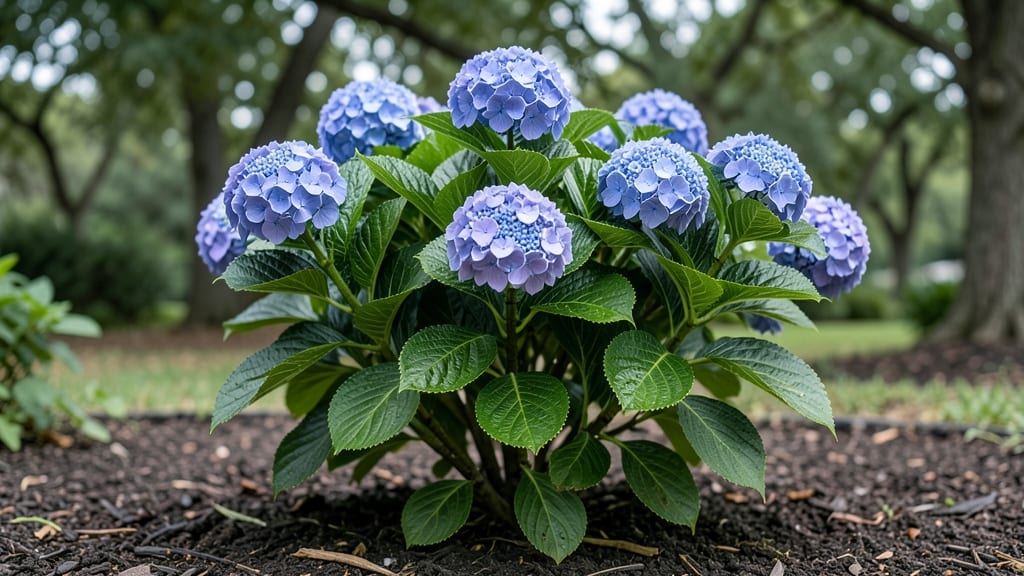
Hydrangea florida thrives in Zone 9's climate with partial shade and well-draining soil, producing vibrant blooms continuously when planted in spring or early fall. Mulching helps regulate moisture and shields roots from intense summer heat.
Zone 9's warm winters and hot summers create perfect conditions for hydrangea florida, as it naturally grows in the southeastern U.S. 🌿 The key is balancing moisture—this plant loves humidity but hates soggy roots.
I've found that adding organic mulch (like pine bark) keeps soil temperatures stable, which is crucial for preventing stress during Florida's peak heat. Unlike some hydrangeas, florida varieties don't need winter dormancy, so they reward consistent care with nonstop color.
For best results, aim for 6-8 hours of morning sun and afternoon shade to prevent leaf scorch. The soil's slightly acidic pH (4.5-5.5) also plays a huge role—amend clay-heavy soils with peat moss or compost to improve drainage.
What's interesting is how these plants adapt: in my Zone 9 garden, they bloom more prolifically in spring and fall when temperatures moderate, though they'll still produce flowers year-round with proper watering.
💡 In This Article
- Ideal Growing Conditions for Hydrangea Florida in Zone 9
- Step-by-Step Planting and Maintenance Guide for Zone 9 Gardens
Ideal growing conditions for hydrangea florida in Zone 9
Zone 9's climate—with its warm winters and high humidity—mirrors the native conditions of hydrangea florida, which thrives in the southeastern U.S. The key to success lies in replicating this environment. This species has evolved to tolerate 80-95°F daytime temperatures while maintaining its lush foliage and abundant blooms.
The natural humidity in Zone 9 reduces the need for frequent irrigation compared to drier climates, but consistent moisture remains critical. Unlike deciduous hydrangeas, florida varieties don't require winter dormancy, which means they can bloom continuously when given the right conditions.
The slightly acidic soil pH range of 4.5-5.5 is another crucial factor. Florida hydrangeas prefer this acidic environment because it enhances nutrient uptake, particularly iron and manganese, which are vital for vibrant foliage and flower production.
In Zone 9's often alkaline or neutral soils, you'll need to amend with 1-2 inches of peat moss or pine bark mixed into the top 12 inches of soil. This not only lowers the pH but also improves drainage—a must to prevent root rot in Florida's heavy clay soils.
The plant's roots are sensitive to waterlogging, which can occur during the region's frequent summer rains.
Sun exposure requires careful balance: morning sun and afternoon shade is ideal. Direct afternoon sun in Zone 9 can scorch leaves, especially during peak summer months when temperatures exceed 90°F. I've observed that plants receiving 4-6 hours of filtered light produce the most vibrant blooms while maintaining healthy foliage.
The large, glossy leaves of hydrangea florida act like solar panels, converting sunlight into energy for growth, but they need protection from the intense midday rays that can cause leaf burn.
Seasonal adjustments are key to year-round blooming. In Zone 9's hot summers, focus on deep watering 2-3 times per week to encourage deep root growth, while in cooler months, reduce to once weekly.
The plant's natural growth pattern shows increased blooming during spring and fall when temperatures moderate—typically 70-80°F—but with proper care, you'll see continuous flowers.
Mulching with 3-4 inches of organic mulch (like pine straw or wood chips) helps regulate soil temperature and retains moisture, which is especially important during Florida's dry spells.
What sets hydrangea florida apart in Zone 9 is its ability to handle the region's unique microclimates. Coastal areas with salt spray may require occasional rinsing of foliage, while inland gardens benefit from the added humidity.
The plant's natural resilience to pests like aphids and spider mites (common in Florida) is another advantage—though you may still encounter occasional issues with scale insects, which thrive in warm climates. Regular inspection of new growth helps catch these early before they become problematic.
For optimal results, consider planting near structures that provide afternoon shade, like patios or pergolas. The combination of morning sun and afternoon shade creates the perfect balance for hydrangea florida in Zone 9's intense sunlight.
This setup not only protects the leaves but also allows the plant to focus its energy on producing those stunning, 4-6 inch wide blooms that can last for months with proper care. 🌸