
Planting
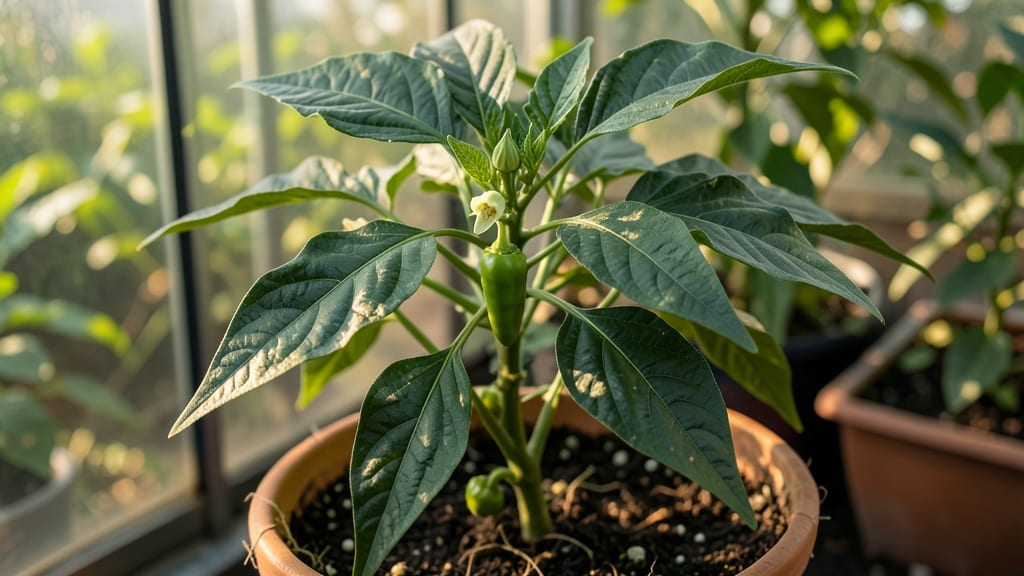
Those jagged, serrated leaves with a slightly waxy finish are your first clue—you can identify a chilli plant by leaves with a distinctive look that sets them apart from tomatoes and eggplants. 🌿 I’ve spent years comparing plants at garden centers, and the leaf shape alone can tell you whether you’re dealing with a pepper, a tomato, or something else entirely.
The key is paying attention to the edges, vein patterns, and even the way the leaves attach to the stem.
Chilli leaves are typically 3-5 inches long, with sharp teeth along the edges and a pointed tip, while tomato leaves are broader and more lobed. Eggplant leaves, on the other hand, are smoother and more oval-shaped.
If you’re still unsure, check the stem hairs—chilli stems often have fine, soft hairs, whereas tomato stems are smoother and sometimes slightly hairier.
The color can also give it away: healthy chilli leaves are a deep, glossy green, sometimes with a slight purple tint when young. Tomatoes and eggplants tend to stay a consistent green, but chilli leaves often have a distinctive sheen that makes them stand out.
Once you spot these details, you’ll never confuse them again.
For extra confirmation, look for flower clusters—chilli flowers grow in small, tight groups near the leaf nodes, while tomatoes have larger, solitary blooms. This visual guide will have you identifying plants like a pro in no time, even if you’re just starting out.
Natural Leaf Variations Explained
Understanding why chilli plant leaves look different can help you accurately identify them—and avoid common misdiagnoses. Here’s a breakdown of the key factors behind leaf shape, color, and texture differences:
Chilli plants (Capsicum spp.) come in hundreds of varieties, each with unique genetic traits passed down through generations.
For example: - Jalapeños 🌶️ have broad, slightly serrated leaves with a dark green hue, while Habaneros 🌶️ often feature narrower, smoother-edged leaves with a lighter green or even purple tint when young. - Why it matters: If you’re comparing a Thai bird’s eye chilli (small, oval leaves) to a Bell pepper (large, glossy leaves), the differences stem from breeding for heat levels, size, or disease resistance—not just random chance.
Pro Tip: 💡 Cross-referencing leaf shape with flower and fruit traits (e.g., white vs. purple flowers) can narrow down the species faster.
Leaves change in response to their growing conditions. Here’s how:
| Factor | Effect on Leaves | How to Fix It |
|---|---|---|
| Sunlight | Too much sun → bleached, crispy edges 🔥; too little → pale, leggy growth 🌿 | Move to partial shade (4–6 hours of sun) or use shade cloth in peak heat. |
| Water Levels | Overwatering → yellowing (chlorosis) 💧; underwatering → curling, dry edges 🌵 | Water 1–2 inches deep per week (check soil moisture before watering). |
| Temperature | Below 50°F (10°C) → purple/red tinges (anthocyanin buildup) 🍇 | Use row covers in cold snaps or grow in USDA Zones 9–11. |
| Soil pH | Too acidic (<5.5) → yellow leaves with green veins (iron deficiency) 🟡 | Amend soil with lime or composted manure to raise pH to 6.0–6.8. |
Warning: ⚠️ If leaves develop black spots or mold, it’s likely fungal infection (e.g., anthracnose) from high humidity + poor airflow. Prune affected leaves and space plants 18–24 inches apart.
Pests and pathogens alter leaf structure in predictable ways:
- Aphids 🐜 → Sticky residue (honeydew), curled or puckered leaves, and sooty mold (black fungus).
- Fix: Spray with neem oil or introduce ladybugs as natural predators.
- Spider Mites 🕷️ → Tiny yellow speckles, webbing on undersides, and dry, brittle leaves.
- Fix: Blast leaves with water or use insecticidal soap.
- Bacterial Spot 🦠 → Water-soaked lesions that turn tan/yellow with dark borders.
- Fix: Remove infected leaves immediately and rotate crops next season.
Pro Tip: 🔍 Examine leaf undersides first—pests love hiding there!
Young chilli plants and mature ones look completely different:
- Seedlings (0–4 weeks) 🌱:
- Tiny, round or heart-shaped leaves (often purple or red if stressed).
- Example: Carolina Reaper starts with deep red stems and small, glossy leaves.
- Mature Plants (3+ months) 🌿:
- Leaves widen and develop serrations (e.g., Cayenne leaves go from smooth to slightly jagged).
- Older leaves may yellow and drop naturally (senescence)—this is normal!
Key Takeaway: If you’re comparing a seedling to a full-grown plant, their leaves will never match—focus on growth patterns (e.g., leaf arrangement: alternate vs. opposite).
Fixing Common Chilli Leaf Issues
Once you’ve correctly identified your chilli plant by its leaves, the next step is ensuring they stay healthy and vibrant. Misidentification or poor care can lead to leaf problems—here’s how to diagnose and fix them, along with prevention tips to keep your plants thriving.
Yellowing leaves are a classic sign of stress, often caused by overwatering or lack of nutrients. Here’s how to address it:
💧 Fix Overwatering
- Stop watering immediately until the top 1-2 inches of soil are dry.
- Check drainage: Ensure pots have holes and use well-draining soil (a mix of potting soil, perlite, and compost works well).
- Repot if needed: If roots are soggy or rotting, trim off damaged roots and repot in fresh, dry soil.
🌿 Fix Nutrient Deficiency
- Fertilize properly: Use a balanced fertilizer (like 10-10-10) every 4-6 weeks during growing season.
- Target nitrogen: If lower leaves yellow first, your plant needs more nitrogen (try a tomato or vegetable fertilizer).
- Test soil pH: Chillies prefer slightly acidic soil (pH 6.0–6.8).
Adjust with lime (to raise pH) or sulfur (to lower it).
💡 Prevention Tip: Water only when the topsoil is dry, and avoid letting plants sit in saucers of water.
Brown, crispy leaf edges usually mean underwatering or low humidity, especially in dry climates.
💧 Fix Underwatering
- Water deeply and consistently: Chilli plants need about 1 inch of water per week (more in heat).
- Use mulch: Cover soil with straw or shredded leaves to retain moisture.
- Water in the morning: This reduces evaporation and gives roots time to absorb water.
🌡️ Boost Humidity
- Mist leaves lightly (especially in dry indoor settings).
- Use a humidity tray: Place pebbles and water under the pot, or group plants together.
- Consider a humidifier: If growing indoors, this helps maintain ideal humidity (40–70%).
✨ Pro Tip: If leaves curl along with browning, it’s a sign of heat stress—move plants to partial shade during peak sun.
Holes, spots, or chewed leaves mean pests (like aphids, spider mites, or slugs) or fungal/bacterial infections.
🐜 Treat Pests
- Handpick large pests (slugs, caterpillars) or spray with neem oil (mix 1 tsp neem oil + 1 tsp mild soap in 1 quart water).
- Use insecticidal soap for aphids or mites—spray undersides of leaves where pests hide.
- Introduce beneficial insects: Ladybugs eat aphids, and nematodes combat slugs.
🍄 Fight Fungal/Bacterial Issues
- Prune infected leaves immediately and dispose of them (don’t compost).
- Improve airflow: Space plants apart and avoid overhead watering.
- Apply copper fungicide (for bacterial spots) or baking soda spray (1 tsp baking soda + 1 quart water + a drop of soap).
🎯 Prevention Tip: Inspect leaves weekly for early signs of pests. Healthy plants resist disease better!
Sudden wilting can mean root rot (from overwatering) or transplant shock.
🌿 Revive Root Rot
- Trim black, mushy roots with sterilized scissors.
- Repot in fresh, dry soil with perlite for drainage.
- Hold off on watering for 3–5 days to let roots recover.
🌱 Reduce Transplant Shock
- Water lightly after repotting and keep in shade for a week.
- Avoid fertilizing for 2–3 weeks post-transplant.
- Use rooting hormone if propagating from cuttings.
💡 Prevention Tip: When repotting, choose pots only 1–2 inches larger than the current root ball to avoid stress.
To prevent issues long-term:
- Rotate plants weekly for even sunlight.
- Harvest regularly to encourage new growth.
- Monitor soil moisture with a finger—don’t guess!
By addressing these common problems early, your chilli plant’s leaves will stay lush, and you’ll enjoy a bountiful harvest. 🌶️🔥
Frequently asked questions
What’s the easiest way to tell a chilli plant from a tomato plant using just the leaves?
Look for sharp, serrated edges on chilli leaves—they’re more jagged than tomato leaves, which tend to be broader and slightly lobed. Chilli leaves also grow in an alternate pattern (one leaf per node), while tomatoes often have opposite leaves (two leaves per node). Check the leaf undersides too—chilli leaves are usually smoother.
Can I identify a chilli plant by its leaves if it’s still just a seedling?
Yes! Seedlings have tiny, heart-shaped leaves that are usually dark green or purple-tinged when stressed. Look for fine hairs on the stems—chilli seedlings often have them, while tomato seedlings usually don’t. The key is comparing them side-by-side with known plants to spot differences in texture and growth pattern.
Why do some chilli leaves look purple, while others stay green?
Purple tinges appear when young leaves are cold-stressed (below 50°F/10°C) or nutrient-deficient. This is normal for some varieties like Carolina Reaper seedlings. If the purple persists on mature leaves, check your soil pH—chillies prefer 6.0–6.8. Too much nitrogen can also cause purple stems, while phosphorus deficiency turns leaves dark purple.
What should I do if my chilli plant’s leaves look like eggplant leaves?
Compare the leaf edges—eggplant leaves are smoother and more oval-shaped with less pronounced serrations than chilli leaves. Also check the flower clusters: chilli flowers grow in small groups near leaf nodes, while eggplant flowers are larger and solitary. If you’re still unsure, examine the stem hairs—chilli stems often have fine, soft hairs.
Can I use a leaf identification app to confirm my chilli plant?
Apps like PlantNet or PictureThis work well for chilli leaves—just upload clear photos of both the top and bottom of leaves. For best results, include a flower or fruit if available, as these features help apps narrow down the species. Always cross-check with your own observations of leaf shape and texture.