
Planting
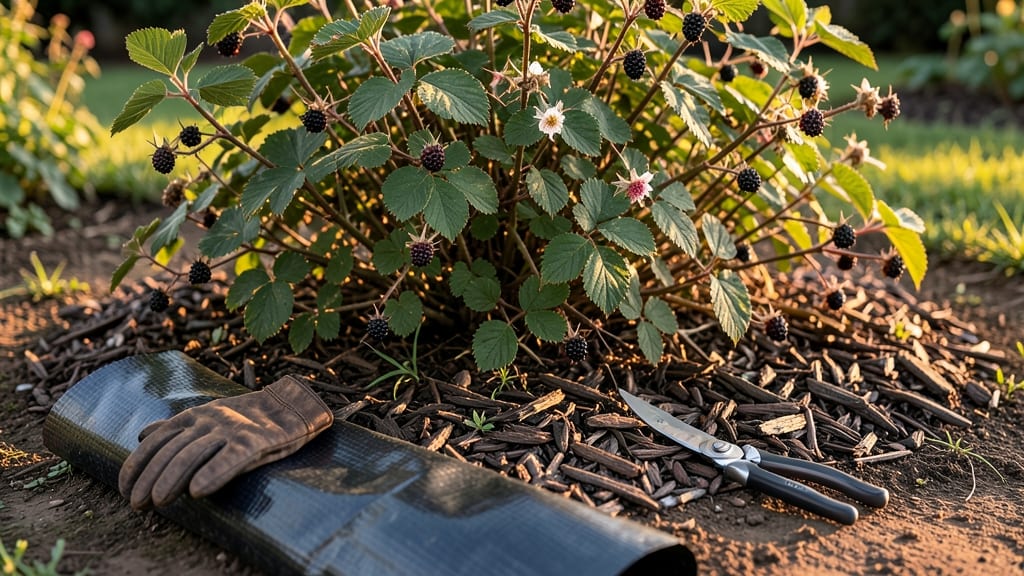
Boiling water kills the invasive blackberry plant on contact—no chemicals, no regrowth. I’ve used this method to clear stubborn blackberry thickets from my property, and it works faster than digging or herbicides.
The secret lies in timing: apply the water when new shoots emerge in early spring, before the plant puts down deep roots.
This technique targets the root system directly, preventing regrowth for 2-3 years with proper follow-up. You’ll need a large pot, a stovetop, and a long-handled watering can to distribute the boiling water evenly.
The process is labor-intensive but chemical-free, making it ideal for organic gardeners or those with pets and kids.
After treatment, monitor the area for 6 months—new shoots will appear, and you’ll need to repeat the process. The payoff? A blackberry-free zone that stays clear without harming surrounding plants or the soil ecosystem.
It’s not instant, but it’s one of the most effective ways to tackle invasive blackberries without synthetic solutions.
Works best in early spring or fall, when the plant is actively growing but hasn’t yet established a dense root network. For larger infestations, combine this method with manual cutting to speed up results. The key is persistence—blackberries fight back, but boiling water gives you the upper hand.
How Blackberries Spread Unchecked
Invasive blackberry plants—whether Rubus fruticosus (European blackberry) or native Rubus allegheniensis (Allegheny blackberry)—don’t just pop up by accident. Their rapid spread is a mix of biology, human activity, and environmental conditions. Understanding these drivers helps you prevent and control them before they take over your yard or local ecosystem.
Blackberries are aggressive colonizers because of their rhizomatous (underground stem) and suckering habits. Here’s why they multiply so fast:
- Underground runners: A single blackberry plant can send out stolons (horizontal stems) that root at nodes, creating new plants up to 15 feet away from the parent. These roots can penetrate deep (up to 6+ feet) and wide, making manual removal tricky.
- Sprouting from old wood: Even after cutting or mowing, blackberry canes resprout from dormant buds on the stem or roots. This is why a single cut cane can regrow into a thicket in one growing season.
- Fast canopy expansion: Mature plants produce 10–20 canes per year, each capable of flowering and fruiting. A single plant can shade out native vegetation, creating a monoculture that crowds out other plants.
Pro Tip: 🔥 Never leave cuttings behind! If you prune blackberries, bag and remove all debris—even small stem fragments can regrow.
Blackberries don’t just spread on their own—they hitchhike on human behavior. Common ways they invade new areas:
| Cause | How It Happens |
|---|---|
| Intentional planting | Many gardeners plant blackberries for fruit, but uncontrolled varieties (like Thornless Evergreen) escape cultivation and naturalize. Even "ornamental" blackberries can become invasive. |
| Landscaping debris | Mulch, compost, or soil containing blackberry roots or fragments can unintentionally introduce them to new yards. Always check bulk soil or mulch purchases. |
| Wildlife dispersal | Birds and mammals eat the fruit and deposit seeds far from the parent plant. A single bird can spread seeds over a mile in a day. |
| Roadside and construction sites | Blackberries thrive in disturbed soil. Road cuts, construction zones, and erosion control projects often become hotspots for invasion. |
Pro Tip: 🌡️ Prevent spread by:
- Removing fruit before it ripens (if keeping birds away isn’t an option).
- Using barrier fabrics (like landscape fabric) under mulch to block rhizomes.
- Reporting new blackberry sightings to local invasive species databases.
Blackberries don’t just spread—they thrive in conditions that suppress competition. Their dominance comes from:
- Tolerance for poor soil: They grow in clay, sand, or rocky soil, even with low nutrients. This lets them outcompete native plants that need richer conditions.
- Drought and heat resistance: Once established, blackberries survive water stress better than many native shrubs, making them hard to kill in dry climates.
- Shade suppression: Their dense canopies block sunlight, smothering grasses and wildflowers beneath them. This creates a self-perpetuating thicket.
- Pest and disease resilience: Few native pests target blackberries, so they rarely suffer natural die-offs like invasive insects might control other plants.
Pro Tip: ✨ Starve them out! Blackberries rely on sunlight and water. Smothering with cardboard or thick mulch (like wood chips) for 2+ years can weaken their root systems before boiling.
Now that you know why blackberries take over, the next step is how to stop them—and boiling water is one of the most effective, chemical-free methods. Stay tuned for the step-by-step removal guide coming up!
Practical ways to control unruly brambles
If invasive blackberry plants have taken over your yard, garden, or landscape, don’t despair—there are effective, chemical-free ways to reclaim your space. The key is targeting the root cause of the spread while minimizing regrowth.
Below, we’ll break down solutions based on the most common reasons blackberries invade, from aggressive root systems to seed dispersal, and provide step-by-step methods to tackle them.
Blackberries spread rapidly through underground rhizomes, making traditional pulling or mowing ineffective. To stop them, cut off their food and light sources.
🔥 Slash-and-Smother Method
- 🔪 Cut the Canes Low – Use loppers or pruners to sever the main canes at ground level, including any visible rhizomes. Aim for a clean cut to prevent regrowth.
- 🌡️ Apply Boiling Water – Pour boiling water directly into the cut stumps and surrounding soil (where rhizomes may lurk). This kills the remaining plant tissue and disrupts root systems. Pro tip: Use a long-handled kettle or a dedicated boiling water applicator for safety.
- 🥘 Cover with Cardboard or Mulch – Lay down thick layers of cardboard, newspaper, or landscape fabric over the area. Top with 4–6 inches of mulch (wood chips or straw work well). This blocks sunlight, preventing new sprouts from emerging.
✨ Solarization for Stubborn Patches
- 📅 Best Time: Late spring or early summer when soil is warm.
- 🌞 Clear the Area: Remove all blackberry debris, then water the soil thoroughly.
- 🔄 Cover with Clear Plastic: Use thick plastic sheeting (4–6 mil) and secure the edges with soil or rocks. Leave it for 4–6 weeks to bake the roots in the sun.
- 💡 Why It Works: The trapped heat kills rhizomes and weeds without chemicals.
Blackberries spread via seeds in berries, which animals (or wind) can carry far from the parent plant. Stop the cycle before it starts.
🧹 Remove Fruit Before Ripening
- 🍇 Harvest Early: Pick blackberries as soon as they begin to ripen to prevent seed dispersal. Drop them in a sealed bag and dispose of them in the trash (not compost).
- 🐿️ Deter Wildlife: Use bird netting over plants if animals are a problem, or install motion-activated sprinklers to scare them away.
🌱 Manual Seedling Removal
- 👨🌾 Pull When Small: Young seedlings are easier to remove by hand. Use a trowel to dig out the entire root system—even a tiny piece can regrow.
- 🔍 Check Hidden Spots: Inspect garden beds, fence lines, and under decks where seeds may have lodged.
For thickets that refuse to budge, aggressive removal is the only long-term fix.
🔪 Digging Out the Roots
- 🌳 Locate the Crown: Identify the central root crown (where canes emerge) and dig a trench around it, 12–18 inches deep.
- 💪 Lever Out the Roots: Use a shovel or digging bar to pry up the entire root ball. Warning: Wear gloves—blackberry thorns are vicious!
- 🗑️ Dispose Properly: Bag the roots and haul them to a landfill (composting can spread seeds).
🔥 Follow-Up with Vinegar or Salt (Use Sparingly!)
- 🧴 Mix 1 part white vinegar + 1 part water in a spray bottle and apply directly to cut stumps or remaining soil. Caution: Vinegar can harm nearby plants, so target only blackberry areas.
- 🧂 Salt is Harsh: Sprinkle coarse salt over the soil after removal to deter regrowth, but avoid overuse—it can harm future plantings.
Once you’ve banished blackberries, keep them from returning with these proactive steps:
- 🌿 Install Barriers: Plant deep-rooted ground covers (like comfrey or raspberries) or use landscape fabric to block rhizome spread.
- 🚜 Regular Mowing: Keep grass or mulch short in high-risk areas to discourage new growth.
- 🔍 Monitor Fence Lines: Blackberries love climbing—inspect and trim any vines on fences or trellises immediately.
- 🍇 Avoid Planting Nearby: If you love blackberries, grow thornless cultivars in contained beds, not wild patches.
With persistence, most blackberry invasions can be controlled within a season. Start with the most aggressive methods (like boiling water or solarization) for established plants, then switch to prevention for long-term success. Your yard will thank you!
Frequently asked questions
Can boiling water really kill blackberry roots permanently?
Boiling water kills the plant tissue on contact, but it may take 2-3 years of repeated treatments to fully eradicate the root system. The key is timing—apply it in early spring when new shoots emerge, before the plant establishes deep roots. Combine this with smothering techniques (like mulch) for best results.
Is boiling water safe for nearby plants and soil?
Yes, boiling water is targeted and won’t harm surrounding plants if applied carefully. Focus only on the blackberry canes and rhizomes, avoiding nearby vegetation. The heat kills the plant tissue without leaving chemical residues that could affect soil health or future plantings.
What’s the best time of year to treat blackberries with boiling water?
Early spring (just as new shoots appear) or late fall (after fruiting) are ideal. In spring, the plant is actively growing but hasn’t yet put down deep roots. In fall, the roots are storing energy, making them more vulnerable to heat treatment. Avoid treating in summer when the plant is drought-stressed.
Will blackberries regrow if I only cut the canes without treating the roots?
Blackberries resprout aggressively from dormant buds on the roots or stem. Simply cutting canes without addressing the rhizomes will result in a thicker thicket within one growing season. Always combine cutting with a root treatment (like boiling water or vinegar) for lasting results.
Can I use this method for blackberries growing near my garden vegetables?
Yes, but exercise caution. Boiling water is safe for edible plants if applied precisely to the blackberry canes and roots. For extra protection, create a barrier (like landscape fabric) around your garden before treatment. Monitor nearby plants for any heat stress, though most vegetables recover quickly.