
Planting
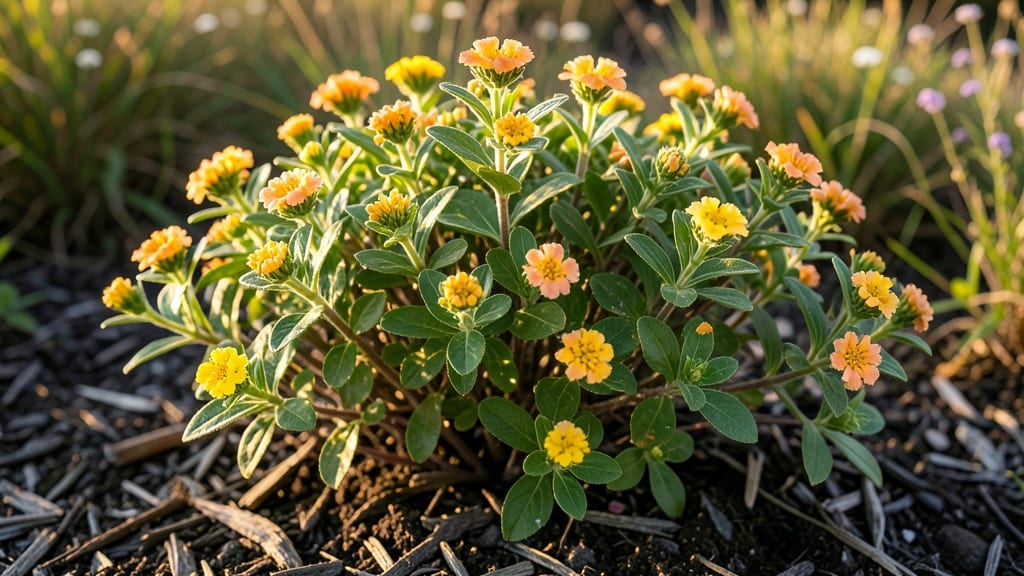
That stubborn invasive yellow-flowered plant stealing your garden’s spotlight? 🌱 Boiling water isn’t just a kitchen trick—it’s a fast, chemical-free way to eliminate dandelions, buttercups, or even creeping charlie without harming nearby plants.
I’ve used this method to reclaim sunlit patches in just 15 minutes, and the results last through the season.
The secret lies in timing and precision: pour boiling water directly onto the plant’s base when it’s actively growing (spring or fall), and repeat weekly for stubborn roots. This spot treatment works best for small patches—think sidewalk cracks or garden edges—where you can target the problem without spreading seeds.
For larger infestations, combine it with smothering mulch or manual digging.
What you’ll end up with is a yard where native plants thrive instead of battling for space. The yellow blooms disappear, soil health improves, and you avoid the ecological harm of herbicides. Plus, your neighbors will ask how you did it—because this method actually works where others fail.
Works for any invasive yellow-flowered weed, from dandelions to lesser celandine. Here’s the step-by-step breakdown to reclaim your garden without the guesswork.
Root Causes Of Spread
Invasive yellow-flowered plants—like Celastrus orbiculatus (Asian bittersweet) or Lonicera japonica (Japanese honeysuckle)—don’t just pop up by accident. Their rapid takeover is the result of a mix of biological advantages and human behaviors.
Understanding these drivers can help you prevent and control their spread before they dominate your garden or local ecosystem.
Many aggressive yellow-flowered invasives are prolific seed producers, releasing thousands of seeds per plant. Some even reproduce vegetatively—through roots, stems, or runners—meaning a single fragment can grow into a full plant. Here’s why this matters:
- Wind & Animal Allies: Light, fuzzy seeds (like those of Solidago species) hitch rides on breezes, while others rely on birds or mammals to spread their seeds via droppings. 🦉🐿️
- Long Viability: Some seeds remain dormant in the soil for years, waiting for the perfect conditions to sprout. This means old garden beds or disturbed soil can suddenly become hotspots.
- Clonal Growth: Plants like Hedera helix (English ivy) spread via underground rhizomes, creating dense colonies that crowd out natives.
Actionable Tip: ✨ Remove plants before they seed! Cut stems below seed heads to prevent dispersal, and dispose of debris in sealed bags (not compost).
Invasive yellow-flowered species often thrive because they’re generalists—adapted to a wide range of soils, light conditions, and climates. Unlike native plants, which evolve to fit specific niches, these interlopers exploit gaps in ecosystems:
| Factor | How It Helps Invasives |
|---|---|
| Tolerance to Poor Soil | Many invasives (e.g., Erigeron annuus) grow in nutrient-poor or compacted soil where natives struggle. |
| Drought Resistance | Deep roots or succulent stems (like Ambrosia artemisiifolia) let them survive dry spells better than moisture-loving natives. |
| Shade Adaptability | Species like Celtis sinensis (Chinese hackberry) can thrive under forest canopies, outcompeting seedlings. |
| Pest & Disease Resistance | Lack of natural predators in new regions means fewer checks on their growth. |
Actionable Tip: 🌡️ Monitor disturbed areas! Construction sites, fire scars, and abandoned lots are prime invasion zones. Plant native ground covers to reclaim space.
When a plant arrives in a new region without its co-evolved pests (insects, fungi, or herbivores that kept it in check), it faces zero biological resistance. This is often called the "enemy release hypothesis", and it’s a major reason invasives explode:
- No Herbivores: Caterpillars or beetles that would’ve munched on the plant back home are absent, so young shoots grow unchecked.
- No Pathogens: Fungal or bacterial diseases that would’ve weakened the plant in its native range don’t exist locally.
- Chemical Defense: Some invasives (like Xanthium strumarium) produce toxins that deter native grazers but don’t affect generalist species like deer or rabbits.
Actionable Tip: 🔥 Introduce biological controls carefully! Some regions use targeted insects (e.g., Ophraella communa beetles for leafy spurge), but never release non-native species without expert guidance.
People are the #1 vector for invasive plant spread—often unintentionally. Here’s how:
- Intentional Planting: Ornamental yellow-flowered plants (e.g., Helleborus hybrids) can escape cultivation and naturalize.
- Hitchhiking Seeds: Contaminated hay, mulch, or soil can introduce seeds to new areas. 🚛💨
- Waterways & Storm Drains: Seeds travel via floodwaters, attaching to debris or floating downstream.
- Pet & Wildlife Habits: Seeds stick to fur, shoes, or tires, then get dropped miles from the original site.
Actionable Tip: 🎯 Clean gear after gardening! Rinse boots, tools, and equipment with soap and water to remove soil and seeds. Avoid buying "cheap fill" mulch or wildflower mixes with invasives.
By tackling these root causes—reproduction, habitat advantages, ecological gaps, and human actions—you can disrupt the cycle before these vibrant but destructive plants take over. Early intervention is key!
Tactical Ways to Stop Unwanted Spread
If you’ve spotted an invasive yellow-flowered plant creeping into your garden, yard, or landscape, don’t panic—there are effective, eco-friendly ways to tackle it before it takes over. The key is to act quickly and use the right method for the root cause (literally!).
Below, we break down solutions by the most common ways these plants spread, plus prevention tips to keep them from returning.
Many invasive yellow-flowered plants (like Celastrus orbiculatus or Lantana) spread aggressively via seeds. If you catch them young, manual removal is your best first line of defense.
🔥 Step 1: Identify and Isolate
- Pull when soil is moist (after rain or watering) to avoid breaking roots.
- Wear gloves—some plants (like Lantana) have thorns or sap that can irritate skin.
- Check for seed pods—if flowers are still intact, remove them before they release seeds.
🍳 Step 2: Smother or Mulch
- Lay cardboard or thick mulch over the area to block sunlight (prevents regrowth from seeds).
- Use a tarp for heavily infested spots—leave it for 4–6 weeks to kill remaining seeds.
👨🍳 Step 3: Dispose Properly
- Bag seeds/roots and throw them in the trash (not compost)—even small fragments can sprout.
- 💡 Pro Tip: If burning is allowed, burn debris on-site to ensure no seeds survive.
Some invasive yellow-flowered plants (like Japanese Honeysuckle) spread via underground runners or vines. These require a more aggressive approach.
🔪 Step 1: Cut and Monitor
- Sever vines at the base with pruners or a saw—aim for 6+ inches below ground to prevent regrowth.
- Recheck every 2–3 weeks—new shoots will appear, and you’ll need to cut them again.
🛡️ Step 2: Install Physical Barriers
- Bury landscape fabric or hardware cloth 12–18 inches deep around garden edges to block roots.
- Use vinegar or salt spray (1 part salt to 1 part vinegar) on fresh cuts to prevent regrowth (test on a small area first—some plants may die back, but others might recover).
⏰ Step 3: Solarize the Soil (For Stubborn Cases)
- Water the area thoroughly, then cover with clear plastic for 4–6 weeks in hot sun.
- 🌡️ Pro Tip: Soil temps should reach 104°F+ to kill roots—check with a thermometer if unsure.
Sometimes, invasive plants thrive because your soil or watering habits favor them. Adjusting these can weaken their dominance.
💦 Step 1: Change Watering Habits
- Most invasive yellow-flowered plants hate soggy soil—reduce watering if your yard stays damp.
- Drought-stress them by letting soil dry out between waterings (this weakens roots over time).
🌱 Step 2: Improve Soil Competition
- Plant native, competitive species like Black-Eyed Susans or Coneflowers—they outcompete invaders for nutrients.
- Add compost or mulch to boost healthy plants’ growth, making space less available for weeds.
🎯 Step 3: Targeted Herbicide (Last Resort)
- If manual methods fail, use a glyphosate-based herbicide (like Roundup) only on the invasive plant (avoid overspray).
- 💡 Pro Tip: Apply on a warm, windless day—this ensures better absorption and less drift.
The best solution? Stop them before they start. Here’s how to future-proof your yard:
- 🌿 Inspect new plants—buy from reputable nurseries and research species before planting.
- 🚫 Avoid bare soil—mulch garden beds to prevent seeds from germinating.
- 🔍 Regular scouting—check for new sprouts monthly, especially in spring and fall (peak growth seasons).
- 🌍 Support local ecosystems—plant native species that naturally resist invaders.
With persistence and the right strategy, you can reclaim your space—without harsh chemicals or backbreaking labor. Start with the method that matches your plant’s spread habit, and soon, your garden will be your domain again! 🌱✨
Frequently asked questions
How do I tell if my yellow-flowered plant is actually invasive?
Check for these red flags: rapid spread beyond its planted area, dense clusters crowding out other plants, and flowers that produce thousands of seeds. Common culprits include Lantana, Japanese Honeysuckle, and Celastrus orbiculatus. Compare photos with local invasive species databases to confirm.
Will boiling water work on all invasive yellow-flowered plants?
It works best for shallow-rooted weeds like dandelions or buttercups, but may fail against deep-rooted vines (like Japanese Honeysuckle). For those, combine boiling water with cutting stems 6+ inches below ground. Always test a small area first—some plants recover surprisingly well!
Why do invasive yellow-flowered plants spread so fast?
They outcompete natives through aggressive seed production (some release 10,000+ seeds/plant), deep root systems, and lack of natural predators in new regions. Many also thrive in disturbed soils—like construction sites or garden edges—where competition is low.
Can I compost clippings from invasive yellow-flowered plants?
Never compost them! Even small fragments can sprout. Instead, bag all plant debris and dispose in the trash. For large quantities, check local regulations—some areas allow burning (with permits) or require special disposal.
What's the safest way to remove invasive yellow flowers near native plants?
Use targeted methods like spot-spraying vinegar (1 part vinegar to 1 part water) or hand-pulling when soil is moist. For vines, cut stems at the base and monitor for regrowth. Always work from the plant's edges inward to protect surrounding natives.