
Planting
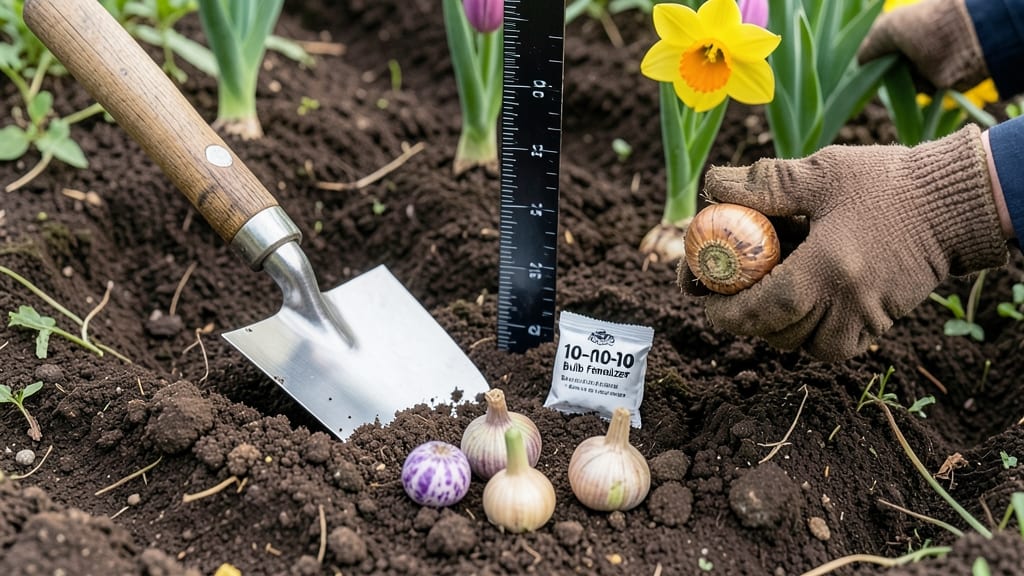
To plant bulbs in the garden at the right time means catching that 6-8 week window before your first frost — a mistake that can turn your spring blooms into a muddy disappointment.
Timing is everything in gardening—plant bulbs too early, and they’ll rot; too late, and they’ll miss their blooming window. But with the right moon phase and climate zone knowledge, you can transform your garden into a year-round floral masterpiece.
The secret? Fall planting for most varieties, when soil temps dip below 60°F but before the ground freezes solid.
Let’s break down the exact dates for your USDA zone, how to read the soil and sky for perfect conditions, and why some bulbs (like tulips) need a cold snap to bloom at all.
You’ll leave here knowing when to dig, how deep to go, and the one trick that keeps your bulbs from becoming a squirrel buffet before spring.
Best moon phases for planting bulbs by type (spring vs fall)
The lunar cycle isn't just folklore—it directly impacts bulb growth and flowering success. Planting during the right moon phase ensures stronger roots, better nutrient uptake, and more vibrant blooms.
For spring-blooming bulbs like tulips and daffodils, timing matters just as much as soil temperature. Let’s break down the best phases for each type and season.
Most gardeners focus on fall planting for spring blooms, but spring planting works too for certain bulbs. The key difference lies in the moon’s influence on root development versus flowering.
A rooting moon (waning moon) encourages strong underground growth, while a flowering moon (waxing moon) supports above-ground blooms. Understanding these phases helps you align planting with nature’s rhythms.
| Bulb Type | Best Moon Phase | Ideal Planting Season | Depth Rule | Notes |
|---|---|---|---|---|
| Tulips | Waning Moon (Rooting Phase) | Fall (6-8 weeks before frost) | 6-8 inches deep | Plant in groups for dramatic effect; avoid spring planting in hot climates. |
| Daffodils | Waning Moon (Rooting Phase) | Fall or Early Spring | 6-8 inches deep | Tolerates spring planting better than tulips; deer-resistant. |
| Hyacinths | Waxing Moon (Flowering Phase) | Fall (for spring bloom) | 6 inches deep | Fragrant blooms; plant in well-drained soil to prevent rot. |
| Crocus | Waning Moon (Rooting Phase) | Fall or Early Spring | 3-4 inches deep | Early bloomer; great for winter interest. |
| Alliums | Waxing Moon (Flowering Phase) | Fall or Spring | 6-8 inches deep | Unique globe-shaped blooms; drought-tolerant once established. |
| Snowdrops | Waning Moon (Rooting Phase) | Fall | 2-3 inches deep | One of the first bloomers; thrives in shade. |
For spring-blooming bulbs, the waning moon (the seven days after a full moon) is ideal for fall planting. This phase encourages deep root growth before dormancy. For example, tulips and daffodils planted during this time develop stronger root systems, leading to healthier blooms the following spring.
Check your local moon phase calendar—apps like Moon Garden make this easy!
If you’re planting in spring (like hyacinths or alliums), aim for the waxing moon (the seven days before a full moon). This phase supports above-ground growth, helping bulbs establish quickly before summer heat sets in.
Spring planting works best in mild climates (USDA Zones 8-10), where frost isn’t a concern.
Don’t overlook soil temperature alongside moon phases. Bulbs need 60°F soil for root growth in fall or 50°F soil in spring. Use a soil thermometer to confirm—planting too early in cold soil can stunt growth.
Pair your moon phase with the right soil conditions, and you’ll see bigger, brighter blooms every season.
Pro tip: Mark your calendar for the next full moon and plant bulbs 3-5 days before it wanes (for fall) or 3-5 days after it waxes (for spring).
This timing maximizes the moon’s gravitational pull on water, helping roots absorb moisture efficiently. Pair this with well-draining soil and organic matter for best results.
For perennial bulbs like daffodils, repeat the process every 3-5 years to maintain vigor. Over time, old bulbs weaken, and new ones need space to grow. Use the moon phase to your advantage—planting during the right phase ensures your garden stays vibrant for years to come.
Remember, the moon’s influence isn’t magic—it’s about aligning with natural cycles. Combine moon phases with proper soil
Climate Zone planting calendar: when to plant bulbs in your region
Your USDA climate zone determines the perfect window for planting bulbs—whether you're in Zone 3's harsh winters or Zone 10's Mediterranean climate. Fall planting is ideal for most regions, but spring options exist for warmer zones.
Let's break down the exact timing for Zones 3-10, including soil temperature cues and regional exceptions.
Most bulbs thrive when planted 6-8 weeks before first frost in fall, but this varies dramatically by zone. For example, Zone 3 gardeners should plant by early September, while Zone 9-10 can extend planting into December. Spring planting works in warmer zones (7-10) after your last frost date, typically February-March.
| USDA Zone | Fall Planting Window | Spring Planting Window | Soil Temp Requirement | Key Notes |
|---|---|---|---|---|
| Zones 3-4 | Mid-September to early October | Early April (after frost) | Below 60°F (15°C) | Cold-hardy bulbs like tulips and daffodils thrive here |
| Zones 5-6 | Late September to mid-October | Mid-April (after frost) | Below 65°F (18°C) | Add mulch for winter protection |
| Zones 7-8 | October to November | February-March | Below 70°F (21°C) | Can plant spring-blooming bulbs like crocus |
| Zones 9-10 | November-December | January-February | Below 75°F (24°C) | Mediterranean climates: plant in winter rains |
For Zone 3-6 gardeners, focus on fall planting—this gives bulbs time to establish roots before winter. In Zones 7-10, you can extend planting into late fall or even winter for spring blooms.
Always check your last frost date and aim to plant when soil temperatures drop below 60°F (15°C).
Regional exceptions matter! In Mediterranean climates (Zones 9-10), plant bulbs during winter rains (November-January) for spring blooms. Meanwhile, Zone 3-4 gardeners should prioritize cold-hardy varieties like alliums and snowdrops that tolerate freezing soil.
Pro tip: Use a soil thermometer to confirm temperatures. Most bulbs need 40-60°F (4-15°C) soil for root growth. In Zone 10, you can even plant some bulbs in summer for fall blooms—just keep soil moist during hot months.
Remember, bulb dormancy is key. Planting at the right time ensures they'll bloom beautifully next season. Adjust for microclimates—shady spots may need earlier planting, while sunny areas can wait slightly longer.