
Planting
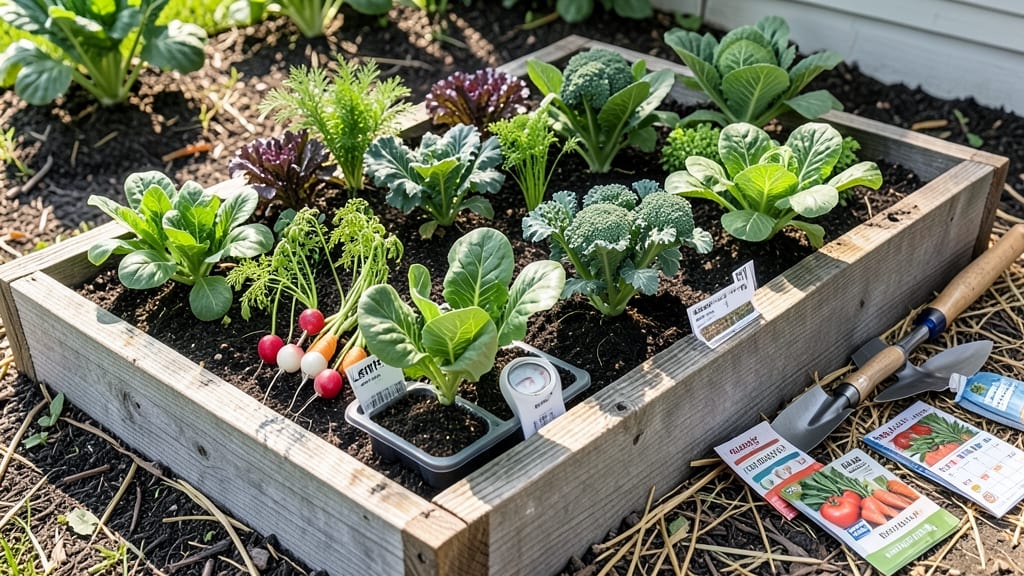
Planting a vegetable garden in Ontario at the right time means the difference between a thriving harvest and a frost-killed disappointment.
Ontario’s unpredictable climate can make or break your vegetable garden—plant too early and risk frost damage, too late and miss the growing season. But with the right timing, you can enjoy a bountiful harvest from spring greens to fall squash.
Whether you’re in Southern Ontario with its milder winters or the Northern regions where frost lingers longer, knowing your last spring frost date is the key to success. I’ll break down the best planting windows by month, so you can start seeds indoors or set out transplants with confidence.
From soil prep to transplant timing, here’s everything you need to plant your garden at the perfect moment—no guesswork, just healthy, productive 🌱 plants all season long.
Ontario’s frost dates and planting zones: a regional breakdown
Understanding Ontario’s frost dates and planting zones is essential for timing your vegetable garden correctly. The province spans from USDA Zone 4a in the north to Zone 6b in the south, creating significant regional differences in frost timing.
Southern Ontario enjoys longer growing seasons, while Northern Ontario faces shorter frost-free periods, which impacts what—and when—you can plant.
For most of Southern Ontario, the average last spring frost occurs between May 10-25, while the first fall frost typically arrives between September 20-October 10. In Central Ontario, these dates shift to May 20-June 5 for spring and September 10-September 25 for fall.
Northern Ontario gardeners must plan even earlier, with spring frosts lingering until June 10-20 and fall frosts arriving as early as August 30-September 15.
| Region | USDA Zone | Last Spring Frost | First Fall Frost | Frost-Free Days | Key Planting Tip |
|---|---|---|---|---|---|
| Southern Ontario | 6a-6b | May 10-25 | Sep 20-Oct 10 | 150-180 days | Start warm-season crops after May 15 |
| Central Ontario | 5a-5b | May 20-Jun 5 | Sep 10-Sep 25 | 120-150 days | Use row covers for early starts |
| Northern Ontario | 4a-4b | Jun 10-20 | Aug 30-Sep 15 | 90-120 days | Focus on cold-hardy varieties |
Southern Ontario’s Zone 6b areas, like London or Windsor, offer the most flexibility. You can direct-sow warm-season crops like tomatoes and peppers as early as May 15, while cool-season crops such as lettuce and spinach can go in the ground by early April.
My own garden in Zone 6a (near Toronto) lets me start peas and radishes in late March under frost cloth, then transition to cucumbers and beans by early June.
Central Ontario’s Zone 5 regions, including Ottawa and Barrie, require more caution. The last spring frost often arrives late, so I always wait until after May 20 to plant tomatoes and peppers. For early harvests, I use black plastic mulch to warm the soil faster and extend the season.
In my experience, succession planting of lettuce every two weeks ensures a continuous supply until the first frost.
Northern Ontario’s Zone 4 areas, such as Sudbury or Thunder Bay, demand a shorter growing season strategy. Here, frost-free days are limited to 90-120 days, so I prioritize fast-maturing varieties like bush beans (50 days) and early cabbage (60 days).
Starting seeds indoors in late March and using cold frames for seedlings helps maximize the short season.
For all regions, microclimates play a huge role. South-facing slopes warm up faster, while low-lying areas stay colder longer. I’ve found that urban gardens in cities like Toronto often have 5-10 days earlier last frosts than rural areas just 20 miles away.
Always check local weather station data or use apps like Old Farmer’s Almanac for precise frost date tracking.
One of my biggest mistakes was planting tomato seedlings too early in Zone 5—they thrived for a week before a late frost wiped them out. Now, I harden off seedlings indoors until mid-May and only transplant after checking the 10-day forecast for frost warnings.
This simple adjustment saved my garden from disaster last year!
If you’re new to Ontario gardening, start with cold-hardy crops like kale, peas, and radishes in early spring. These tolerate light frosts and give you confidence as you learn your local frost patterns.
For warm-season crops, always wait until after the average last frost date—even if your neighbors rush ahead. Patience pays off with healthier plants and bigger harvests.
For region-specific guidance, consult the Ontario Ministry of Agriculture’s Planting Calendar or local Master Gardener programs. They offer free soil testing and personalized advice tailored to your planting zone.
With the right timing, even Ontario’s short growing season can yield a garden bursting with fresh vegetables from spring to fall!
Best vegetables to plant by month in Ontario’s climate
Ontario’s climate offers a unique gardening challenge with its cool springs and variable frost dates. Knowing the right planting windows ensures your vegetables thrive from May to October.
Cool-season crops like spinach and peas love early starts, while tomatoes and peppers need warm soil to germinate. Microclimates—like urban areas staying warmer—can shift timelines by weeks.
For Southern Ontario, where last spring frosts average mid-May, you can start early. Northern Ontario gardeners should wait until late May or June to avoid frost. Always check your local frost-free dates—they’re your garden’s calendar.
Below, I’ve broken down the best month-by-month planting schedule for Ontario’s most popular vegetables, including adjustments for late starts.
🌱 Numbered Highlights: Ontario’s Planting Timeline
- April-May: Start cool-season crops like spinach, lettuce, and radishes indoors or under row covers. Harden off peas and kale for early outdoor planting after last frost.
- Late May: Plant potatoes, onions, and carrots once soil reaches 10°C (50°F). Southern Ontario can also direct-sow beans and corn by May 21.
- June: Warm-season stars like tomatoes, peppers, and eggplants go in after soil warms to 15°C (60°F). Transplant cabbage and broccoli for summer harvests.
- July-August: Succession plant bush beans, zucchini, and summer squash every 2 weeks. Start fall lettuce and spinach 6-8 weeks before first frost for late harvests.
- September: Direct-sow garlic, spinach, and radishes for early spring harvests. Extend tomato and pepper season with row covers or move pots indoors.
Pro tip: Use Ontario’s Planting Date Calculator (from the OMAFRA) to fine-tune dates based on your postal code. For example, Toronto can plant cucumbers by May 15, while Sudbury waits until June 1.
Always mulch after planting to retain moisture and regulate soil temperature—critical for warm-season crops struggling with Ontario’s cool nights.
Don’t overlook succession planting! For instance, sow lettuce every 2 weeks from May to August to avoid bolting. Peas and spinach are forgiving if planted late, but tomatoes and peppers need their full 120-day growing season.
If you miss the window, opt for container gardening—pots warm up faster and let you move plants to sunnier spots.
For Northern Ontario, extend your season with cold frames or hoop houses. These can push kale and carrots into November. Always monitor soil temperature with a thermometer—cool soil delays germination, even for hardy crops like potatoes. Aim for 10-12°C (50-55°F) for most seeds.
Plan ahead for fall harvests by sowing garlic in October and onions in April or September. These crops thrive in cool weather and store well. Keep a planting journal to track what works in your microclimate—next year’s garden will thank you!