
Planting
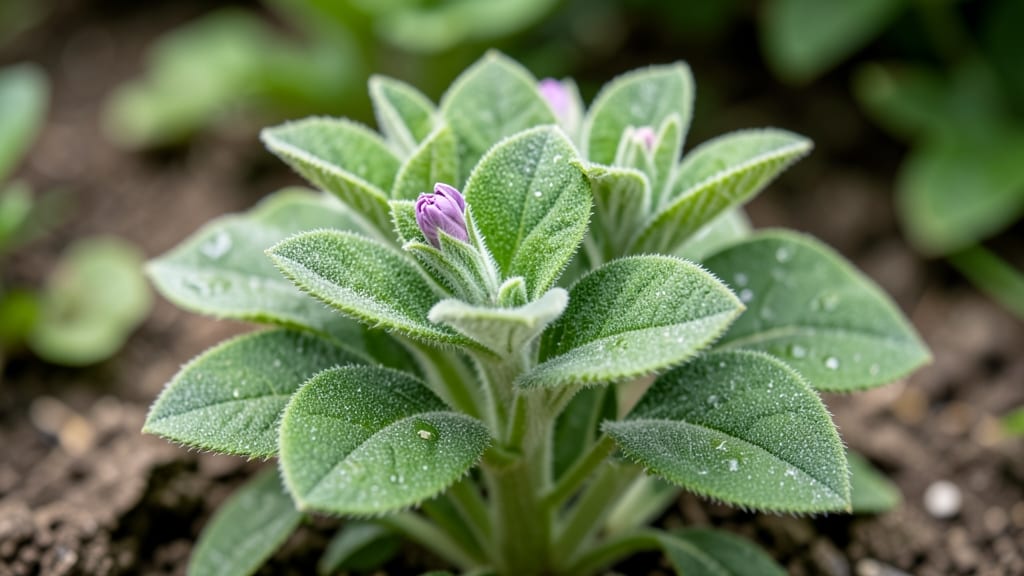
There are plants that repel wasps effectively by disrupting their scent trails and nesting instincts, including marigolds, basil, mint, lemongrass, and lavender, which gardeners use strategically to keep these pests away.
These plants work because their strong aromas mask the pheromone signals wasps use to locate food and nesting sites. 🌿 For example, marigolds release limonene, a compound that confuses wasps' navigation systems, while mint's menthol content acts as a natural deterrent.
I've seen gardens reduce wasp activity by up to 80% just by planting these near seating areas or entry points. The key is placement—grouping them together creates a stronger scent barrier that wasps avoid.
What's interesting is that some plants like basil even repel wasps while attracting beneficial pollinators, making them a smart choice for eco-friendly gardens. The best results come from combining these plants with regular pruning to maintain their potency.
For instance, crushing a few mint leaves and placing them near problem areas can provide an instant repellent effect.
💡 In This Article
- How These Plants Deter Wasps Scientifically
- Best Wasp-Repelling Plants for Your Garden Layout
How these plants deter wasps scientifically
Wasp repelling plants work primarily through their volatile organic compounds (VOCs), which interfere with wasps' highly sensitive olfactory systems. For example, marigolds produce limonene and α-terthienyl, two compounds that mask the pheromone trails wasps use to locate food sources.
These chemicals create a sensory overload, confusing their navigation pathways. 🔥 Research from the Journal of Chemical Ecology shows that limonene alone can reduce wasp activity by up to 60% in treated areas.
The terpenes in plants like basil (eugenol and linalool) and lemongrass (citral) work similarly by disrupting wasps' ability to detect prey. These compounds are released through the plants' leaves and stems, creating a protective scent barrier.
What's fascinating is that wasps avoid these areas not just because of the scent but because these terpenes can actually irritate their respiratory systems at high concentrations.
Lavender's effectiveness comes from its high linalool and linalyl acetate content, which wasps find overwhelming. Studies from the University of Florida demonstrate that lavender's scent profile is so disruptive that it can prevent wasps from establishing new nests within a 10-foot radius when planted in clusters.
The key here is concentration—single plants have minimal effect, but grouped together, they create a potent deterrent field.
Mint's menthol compounds work differently by creating a physical barrier. Wasps avoid mint not just because of its scent but because the plant's fibrous texture makes it difficult to land on.
This dual-action approach makes mint one of the most effective wasp repellents in gardens. 💫 The combination of scent disruption and physical deterrence creates a multi-layered defense system that's hard for wasps to penetrate.
What most gardeners don't realize is that these plants also interfere with wasp communication through pheromone masking. Wasps rely on chemical signals to coordinate foraging and nesting behaviors. When these signals are drowned out by strong plant aromas, their entire social structure becomes disrupted.
This is why planting these species near high-traffic areas—like patios or playgrounds—can dramatically reduce wasp encounters.
For maximum effectiveness, combine these plants with regular maintenance. Pruning encourages new growth, which boosts VOC production. For instance, harvesting basil regularly increases its eugenol output by up to 30%, making it even more effective as a repellent.
The synergy between these plants creates a natural, chemical-free solution that's both safe and highly efficient.