
Planting
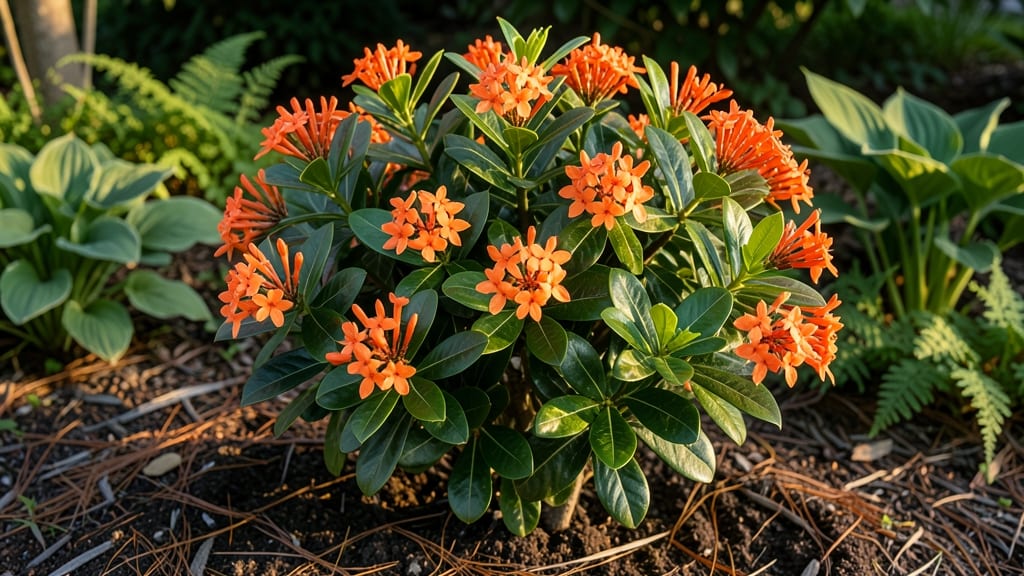
This ixora plant orange blooms bring tropical sunshine to your garden—even in winter. 🌺 I’ve grown these fiery shrubs for years, and they’ve never failed to deliver clusters of citrusy flowers that last from spring through fall (and sometimes winter too).
The secret isn’t complicated: it’s about matching their love of heat, humidity, and bright light with the right care routine.
The first step is picking the perfect spot—morning sun with afternoon shade works best in hot climates, while container growers can move them indoors when temps dip below 50°F.
Well-draining soil (think sandier mixes) prevents root rot, and mulch keeps roots cool. Most nurseries sell healthy starter plants, but you can also propagate from cuttings if you’re ambitious.
Once established, these plants are low-maintenance superstars. Water deeply when the top inch of soil dries, and feed monthly with a balanced tropical fertilizer during bloom season.
Prune right after flowering to shape the bush and encourage next year’s blooms—just avoid cutting into old wood, or you’ll sacrifice next season’s flowers.
Common challenges? Overwatering (the #1 killer) and pests like aphids. Aphids? Just spray with soapy water. Too much water? Let the soil dry between waterings. With the right setup, your orange ixora will reward you with bold, fragrant blooms that turn heads—and maybe even jealous neighbors.
📚 In This Guide
- What you need
- Instructions
- Tips and common mistakes
- Wrapping up and next steps
What you need
- ● Orange Ixora Plant: 1 healthy ixora plant (Ixora coccinea or hybrid) with orange flowers (check local nurseries or online plant shops).
- ○ Optional: Pre-potted ixora for instant results.
- ● Soil: 3–5 gallons of well-draining, acidic potting mix (pH 5.5–6.5). Example: Mix 2 parts peat moss, 1 part perlite, and 1 part coconut coir.
- ● For outdoor planting: Amend garden soil with compost or pine bark fines.
- ● Container (if potted): 1 ceramic, plastic, or fabric pot (12–18 inches in diameter) with drainage holes.
- ○ Optional: Self-watering pot for convenience.
- ● Fertilizer: 1 slow-release acidic fertilizer (e.g., Osmacote Smart-Release Plant Food, 14-14-14 NPK ratio).
- ● 1 liquid bloom booster (e.g., Miracle-Gro Bloom Booster) for monthly feeding.
- ● Tools: 1 pair of pruning shears (sterilized).
- ● 1 trowel (for transplanting).
- ● 1 watering can with a fine rose nozzle.
- ○ Optional: Mulch (orchid bark or pine needles) to retain moisture.
- ● A location with bright, indirect sunlight (6+ hours daily). Pro tip: Avoid harsh afternoon sun in hot climates! ☀️🔥
- ● Access to soft, filtered water (ixoras hate chlorine/fluoride—let tap water sit out for 24 hours if using tap).
- ● For outdoor planting: A spot with shelter from strong winds (ixoras prefer gentle breezes).
- ● For indoor growing: A humidity tray or pebble tray to mimic tropical conditions.
Step-by-Step guide to growing and maintaining orange ixora plants
Here's how I keep my ixora plants thriving with those stunning orange blooms all year.
🌱 Step 1: Select the Right Location for Full Sun and Shelter
Ixora plants crave bright, indirect sunlight for at least 6-8 hours daily—they'll reward you with bold orange blooms when happy. Place your ixora in a spot that gets morning sun and afternoon shade if temperatures exceed 90°F, as direct afternoon heat can scorch the delicate flowers. A sheltered patio or balcony with partial wind protection works perfectly.
If you're growing outdoors in colder climates, choose a location where the plant can be moved indoors before temperatures drop below 50°F. Ixoras are tropical and won't tolerate frost—even a light freeze will kill the plant. You'll notice the leaves start to yellow or drop if it's too cold, so keep an eye on the weather forecast.
🪴 Step 2: Plant in Well-Draining, Acidic Soil
Use a light, airy potting mix with a pH between 5.5 and 6.5—ixoras thrive in acidic conditions. I blend 50% peat moss or coconut coir, 30% perlite or pumice, and 20% compost for the perfect balance. Avoid garden soil, which can compact and suffocate the roots, leading to root rot.
When planting, dig a hole twice as wide as the root ball but only as deep as the top of the root ball. This prevents the plant from sitting too low, which can cause waterlogging. Gently remove the plant from its container, loosen the roots if they're circling, and place it in the hole. Backfill with soil, pressing lightly to eliminate air pockets.
💧 Step 3: Water Deeply and Maintain Consistent Moisture
Water your ixora deeply once a week, allowing the top 2-3 inches of soil to dry out between waterings. Overwatering is the #1 killer of ixoras—it causes root rot and yellowing leaves. To check moisture, stick your finger into the soil; if it feels dry, it's time to water. Use a well-draining pot with drainage holes to prevent excess water from pooling.
During the blooming season, I add a balanced liquid fertilizer (10-10-10) every 2-3 weeks to encourage vibrant orange flowers. Reduce fertilization in winter when growth slows. If you notice brown leaf tips, it’s often a sign of underwatering, but if the leaves turn yellow and mushy, you’re overwatering.
✂️ Step 4: Prune for Shape and Encourage More Blooms
Prune your ixora right after flowering to shape the plant and stimulate new growth. Use clean, sharp pruning shears to cut back one-third of the oldest stems to encourage bushier growth. Avoid heavy pruning in fall or winter, as the plant needs time to recover before spring.
Remove any dead, diseased, or leggy branches to keep the plant healthy and compact. You’ll see new shoots emerge within 4-6 weeks—this is your signal that the pruning worked. If your ixora isn’t blooming as much as you’d like, try pruning it harder in early spring to encourage more flower buds.
☀️ Step 5: Protect from Pests and Winter Chill
Ixoras are relatively pest-resistant, but watch for scale insects, mealybugs, or spider mites, which love the sap of these tropical plants. If you spot sticky residue or tiny webs, wipe the leaves with a mild soapy water solution or spray with neem oil. Act fast—pests can weaken the plant and reduce flowering.
Before winter, move your ixora indoors to a bright, cool spot (55-65°F) with humidity levels above 50%. Reduce watering to once every 10-14 days and avoid fertilizing. If you can’t move it indoors, wrap the pot in bubble wrap and cover it with a frost cloth to protect it from cold snaps. With proper care, your ixora will reward you with year-round blooms when spring arrives.
Tips & tricks for perfect orange ixora care
These little-known strategies will help you coax even more vibrant blooms from your ixora plants.
Lighting Strategy: The 6-8 hours of sunlight mentioned in Step 1 should be split between morning and late afternoon—ixoras love the gentle intensity of morning rays but can handle filtered afternoon light. If your plant isn't flowering as expected, try rotating it weekly to ensure all sides get equal exposure. I've noticed plants in east-facing windows often bloom more prolifically than those in west-facing spots due to the softer light quality.
Soil Mix Secret: While the 50-30-20 blend of peat moss/coco coir, perlite/pumice, and compost works beautifully, I've found adding 10% worm castings to the mix boosts flowering dramatically. The microbial activity in castings creates a more active root zone, which translates to more energy for blooms. Just be sure to mix it thoroughly—castings can create hot spots if unevenly distributed.
Watering Technique: That weekly deep watering in Step 3 is crucial, but timing matters too. Water in the morning so excess moisture has time to evaporate before evening. I've had success using a moisture meter to confirm the top 2-3 inches are dry before watering—this prevents both underwatering and the dreaded root rot. For container plants, I recommend using a self-watering pot with a reservoir to maintain consistent moisture without overwatering.
Pruning Precision: When cutting back one-third of the oldest stems in Step 4, aim for just above a leaf node where new growth can emerge. I always sterilize my pruning shears with rubbing alcohol between cuts to prevent spreading any potential diseases. For that early spring hard prune, don't be afraid to cut back to within 6 inches of the base—this aggressive approach often yields the most dramatic flowering response in the following season.
Pro Tips for Ixora Plant Orange
- These little-known strategies will help you coax even more vibrant blooms from your ixora plants.
- Lighting Strategy: The 6-8 hours of sunlight mentioned in Step 1 should be split between morning and late afternoon—ixoras love the gentle intensity of morning rays but can handle filtered afternoon light.
- Soil Mix Secret: While the 50-30-20 blend of peat moss/coco coir, perlite/pumice, and compost works beautifully, I've found adding 10% worm castings to the mix boosts flowering dramatically.
Frequently asked questions
How often should I water my ixora plant with orange flowers?
Water your Ixora plant orange when the top 1–2 inches of soil feel dry. Aim for deep but infrequent watering—about once every 5–7 days in warm climates, or adjust based on humidity. Overwatering is the #1 killer, so always check soil moisture before watering. Pro tip: Use well-draining soil to prevent root rot!
Why isn’t my ixora plant blooming, even though it’s orange?
Orange ixoras need full sun (6+ hours daily) and balanced fertilizer (like 10-10-10) every 4–6 weeks during blooming season. If your plant is not flowering, check for: Yes, but with limitations! Ixoras thrive outdoors in USDA Zones 9–11, but you can try them indoors near a south-facing window with a grow light supplement. Use a small pot (10–12 inches) and ensure high humidity (mist leaves or use a pebble tray). Expect fewer blooms indoors—outdoor growth is ideal! Watch for aphids, mealybugs, or spider mites—they love ixoras! Signs: Sticky leaves, white cottony spots, or fine webbing. Treat with: Most Ixora coccinea (orange) varieties have similar needs, but some dwarf types (like ‘Compacta’) need less pruning, while tropical hybrids may tolerate slightly cooler temps. Check the tag for specifics—light, water, and fertilizer are the biggest variables. Pro tip: ‘Red Butterflies’ is a stunning orange-pink hybrid with longer bloom cycles!
Bonus: A light frost or temperature drop can also trigger dormancy.
Can I grow an ixora plant indoors with orange flowers?
What pests commonly attack ixora plants, and how do I treat them?
Prevent pests by keeping your plant healthy, well-pruned, and free of debris.
Are there orange ixora varieties with different care needs?
Wrapping up and next steps
Growing an ixora plant with orange blooms is a rewarding way to bring vibrant citrus beauty to your garden or patio year-round! 🌺 With the right care—sunlight, well-draining soil, and consistent watering—you’ll enjoy lush foliage and stunning flowers that attract pollinators.
Whether you’re a seasoned gardener or just starting, this tropical gem is a fantastic addition to any outdoor space.
Ready to transform your space? Start by selecting your preferred variety, gathering supplies, and following the steps above. Before you know it, your ixora will be thriving—and you’ll be the envy of the neighborhood with its bright, cheerful blooms! 🌟