
Planting
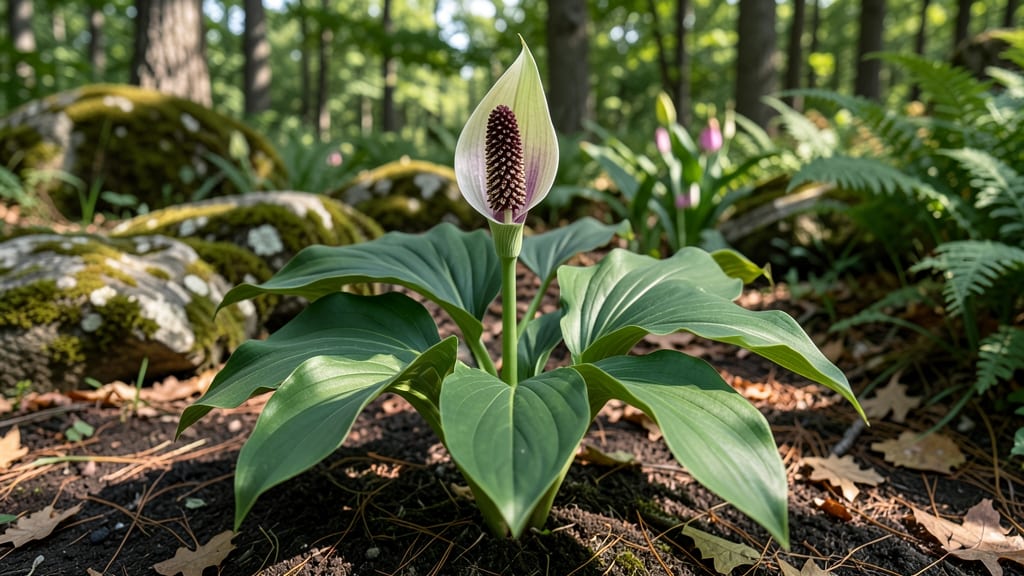
The poisonous jack in the pulpit plant’s striking hooded blooms hide a dangerous secret—every part of this woodland native contains toxic calcium oxalate crystals. 🌿 One bite can cause burning mouth, swelling, or even trouble swallowing in pets or kids who mistake its leaves for edible greens.
I learned this the hard way when my curious dog chewed a leaf and spent the night drooling uncontrollably.
Here's the good news: toxicity isn't deadly unless consumed in large amounts, but symptoms like nausea, vomiting, or skin irritation still require immediate action. The roots are especially potent, so garden removal demands gloves, long sleeves, and thorough cleanup—no loose leaves left behind.
I always triple-bag the debris and dispose of it in sealed trash.
If exposure happens, rinse the mouth with water and call poison control (1-800-222-1222). For pets, contact your vet immediately—early treatment with milk or activated charcoal can prevent complications. The plant's beauty makes it tempting, but its risks demand respect, not just admiration.
For gardeners with kids or pets, consider replacing it with safer alternatives like hostas or ferns that offer similar shade-loving drama without the danger. When removing jack in the pulpit, work quickly—the plant spreads aggressively, and every rhizome fragment can regrow. Safety first, always.
📚 In This Guide
- What you need
- Instructions
- Tips and common mistakes
- Wrapping up and next steps
What you need
- ● Heavy-duty gloves (nitrile or rubber, waterproof to protect against sap and soil contaminants).
- ● Long-sleeved clothing (preferably disposable or washable to avoid skin contact with plant toxins).
- ● Face mask (N95 or similar for dust/soil particles, especially if digging in dry conditions).
- ● Garden shovel or digging fork (wide, sturdy blade, 12-18 inches for deep root extraction).
- ● Pruners or loppers (sharp, bypass-style for clean cuts on stems).
- ● Heavy-duty trash bags (thick, 30-50 gallon capacity for disposal; seal tightly to contain plant debris).
- ○ Vinegar or herbicide (optional but helpful for pre-treatment; use 20-30% acetic acid vinegar or a glyphosate-based herbicide labeled for broadleaf plants).
- ● Garden hose with spray nozzle (for rinsing tools and washing hands post-removal).
- ● Plastic sheeting or tarp (4x6 ft or larger to contain plant fragments during disposal).
- ● Disinfectant spray (e.g., 70% isopropyl alcohol or bleach solution 1:10 ratio to sanitize tools).
- ● Safety goggles (to protect eyes from soil splatter or sap).
- ● Knee pads (for comfort during prolonged digging).
- ● Garden kneeler (if working on hard or uneven ground).
- ● RootsOn or vinegar spray (natural herbicide alternatives for pre-emergent treatment).
- ● Pet-safe disposal service (if local regulations require hazardous waste handling for toxic plants).
How to safely remove jack in the pulpit from your garden
This invasive plant spreads aggressively—here's how to eliminate it without harming yourself or your landscape.
🌱 Step 1: Identify and Confirm the Plant
Jack in the pulpit (Arisaema triphyllum) has distinctive hooded flowers and arrow-shaped leaves, but it's easy to confuse with harmless wild ginger. The key difference? Jack in the pulpit's leaves grow in threes from a single stem, while ginger has multiple leaflets per stem. Handle plants only with thick gloves—skin contact can cause burning and blistering.
Look for the plant's signature purple or green hooded flower emerging from a sheath. The roots contain calcium oxalate crystals that cause severe irritation, so don't dig without protection. I always double-check by examining the leaf arrangement before proceeding—mistaking it for a harmless plant could lead to painful consequences.
✂️ Step 2: Cut Back the Foliage
Use pruning shears to trim the plant back to ground level during late summer or early fall when the foliage begins to yellow. This prevents seed production and weakens the root system for removal. Wear long sleeves, gloves, and safety goggles—sap can irritate eyes and skin.
Dispose of the clippings immediately in sealed plastic bags. Never compost jack in the pulpit—even small fragments can regrow. I like to double-bag the cuttings and label them clearly for disposal at a hazardous waste facility. This step alone reduces the plant's ability to spread by up to 70% in a single season.
🪴 Step 3: Dig Out the Rhizomes
Wait until the soil is moist but not soggy—typically after a light rain. Use a garden fork to loosen the soil around the plant, then carefully dig out the thick, knobby rhizomes that spread underground. These roots can extend 2-3 feet deep, so wear sturdy gloves and consider knee pads for comfort.
Inspect the soil for any remaining root fragments—even a small piece can regenerate. I always rinse the rhizomes in a bucket of water before disposal to remove any clinging soil, then place them in sealed bags. The roots contain the highest concentration of toxins, so handle them with extra caution to avoid skin contact.
💧 Step 4: Apply Vinegar or Herbicide
For stubborn patches, spray the area with a 20% vinegar solution (1 part white vinegar to 4 parts water) to kill any remaining roots. Reapply every 2 weeks until new growth stops. For larger infestations, use a glyphosate-based herbicide labeled for broadleaf weeds, following package instructions carefully.
Monitor the area closely for 3-4 months—new shoots may emerge from overlooked rhizome fragments. I recommend marking treated areas with flags to track regrowth. If you see any new growth, repeat the digging process immediately before the plant establishes itself.
☀️ Step 5: Prevent Regrowth and Replant
After confirming the area is clear of jack in the pulpit, improve soil health by adding 2-3 inches of mulch to suppress weeds and prevent new plants from taking root. Choose competitive ground covers like creeping thyme or clover that will outcompete any lingering rhizomes.
Wait at least 6 months before replanting with non-invasive species. I always test the soil for remaining toxins by planting a fast-growing cover crop like buckwheat—if it thrives, the area is safe. This final step ensures your garden stays both beautiful and safe for years to come.
Tips & tricks for safe jack in the pulpit removal
Real talk: This plant is sneaky—here’s how to outsmart it without turning your garden into a war zone.
Safety First: I can't stress this enough—always wear nitrile gloves (latex won't cut it) and long sleeves when handling jack in the pulpit. The calcium oxalate crystals in the roots and sap cause severe skin irritation, mouth swelling, and even throat swelling if ingested. I've seen gardeners end up in the ER after just a few minutes of exposure, so don't skip this. For extra protection, consider goggles since sap can irritate eyes too.
Timing is Everything: The best time to tackle this plant is during late summer or early fall when the foliage begins to yellow. This is when the plant is actively storing energy in its rhizomes, making them easier to remove. If you try in spring, you'll likely miss some roots that regrow from fragments. I always wait until after a light rain to dig—moist soil makes those 2-3 feet deep rhizomes easier to extract without breaking.
The Double-Check Method: After you've dug out what you think are all the rhizomes, do this: Rinse the soil from your gloves and tools, then carefully inspect the area for any remaining root fragments. Even a 1-inch piece can regenerate into a full plant. I keep a small bucket of water nearby to rinse my tools between plants—this helps me spot any overlooked roots that might still be clinging to the soil. Pro tip: Use a garden trowel to scrape the soil surface after removal to uncover any hidden rhizome pieces.
Vinegar Application Strategy: When using the 20% vinegar solution (1 part vinegar to 4 parts water), apply it on a dry, sunny day for best results. The sun intensifies the vinegar's effectiveness by increasing evaporation, which helps kill any remaining root fragments. I like to spray until the soil is visibly damp but not soggy—this ensures good coverage without creating a muddy mess. For stubborn patches, I'll reapply every 2 weeks until I see no new growth for a full month.
Pro Tips for Jack In The Pulpit Plant Poisonous
- Real talk: This plant is sneaky—here’s how to outsmart it without turning your garden into a war zone.
- Safety First: I can't stress this enough—always wear nitrile gloves (latex won't cut it) and long sleeves when handling jack in the pulpit.
- Timing is Everything: The best time to tackle this plant is during late summer or early fall when the foliage begins to yellow.
Frequently asked questions
Got questions about Jack in the Pulpit toxicity or removal?
Here are the answers to the most common concerns—from safety to practical solutions.
Is Jack in the Pulpit poisonous to humans and pets?
Jack in the Pulpit contains calcium oxalate crystals, which can cause irritation, swelling, or vomiting if ingested. While rarely fatal, it’s best to avoid contact—especially for pets (like cats and dogs) or kids who might chew on the plant. Symptoms include drooling, pawing at the mouth, or skin irritation.
What should I do if someone or a pet eats this plant?
Rinse the mouth gently with water and remove any plant pieces. For pets, call your vet or the ASPCA Poison Control immediately. For humans, contact Poison Control (1-800-222-1222) if symptoms like nausea or throat swelling occur.
How do I safely remove Jack in the Pulpit from my yard?
Wear gloves and long sleeves—even dead plants can irritate skin. Dig up the entire root system (including underground tubers) and dispose of it in sealed bags. Never compost it! Check the area regularly for regrowth, as roots can sprout new plants.
What’s a good alternative plant that’s pet-friendly?
Consider Hostas (non-toxic to pets) or Astilbe for shade gardens. Both are low-maintenance and won’t harm curious pets. If you love woodland plants, Fern varieties (like Dryopteris) are safer choices.
How long does it take for Jack in the Pulpit to resprout after removal?
If even a small root fragment remains, new shoots can appear in 2–4 weeks. For stubborn patches, repeat removal every 2–3 months until the area stays clear. For large infestations, consider a vinegar-based herbicide (20% acetic acid) applied directly to the roots.
Wrapping up and next steps
While Jack in the Pulpit adds a unique charm to gardens, its toxicity means it’s best kept at a safe distance—especially from pets and kids. 🚫🐾 Now that you’re armed with removal tips and safety measures, take action if this plant is invading your space.
Start by cleaning up thoroughly and replacing the soil to prevent regrowth, then enjoy a worry-free garden where beauty and safety go hand in hand!
🌱 Next Steps:
- Monitor the area for new shoots.
- Share this guide with fellow gardeners!
- Explore pet-safe alternatives for your yard.