
Planting
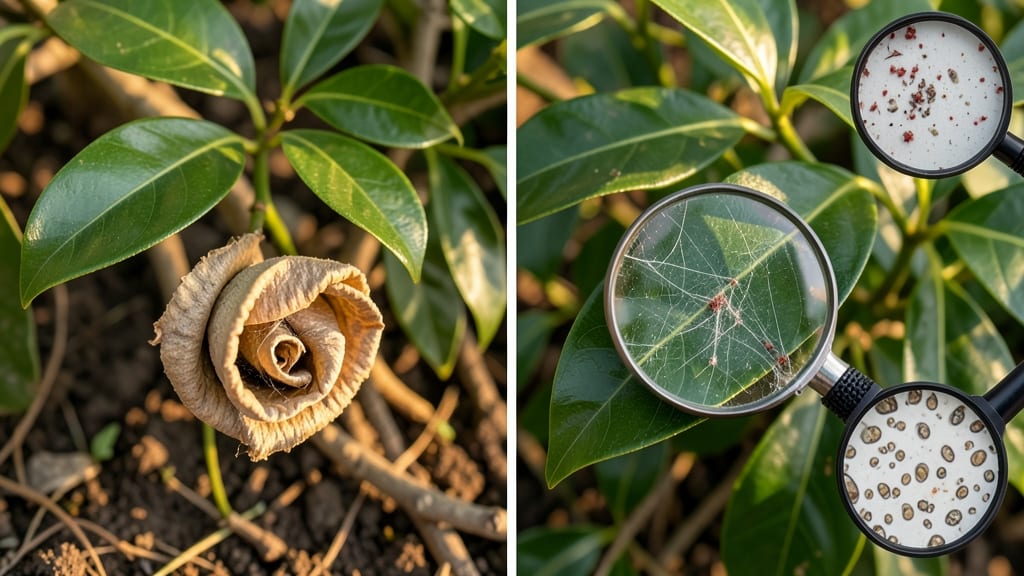
Jasmine leaves curling is like your plant’s way of screaming for help—usually from too much water, pests, or stress. 🌿 I’ve nursed back more than a dozen jasmine plants with these exact tricks, and the first step is always checking the roots for rot or pests hiding on the undersides of leaves.
The fix starts with watering only when the top inch of soil feels dry. Spider mites? Blast them off with water or wipe leaves with soapy water. Fungal issues? Prune affected leaves and improve airflow. Most cases clear up within 2-3 weeks of consistent care.
You’ll see those glossy, fragrant leaves unfurling within days if the problem was water-related. For pests, repeat treatments every 5-7 days until you spot no more webbing or tiny specks. The key is acting fast—curling leaves left unchecked can spread to the whole plant.
If the plant stays weak after two weeks, it might need repotting with fresh soil or a nutrient boost. Severe fungal infections could require a fungicide, but that’s rare if you catch it early. Most gardeners see full recovery with these simple steps!
Root Causes Behind Curling Leaves
If your jasmine plant’s leaves are curling, it’s often a silent SOS from your green friend. Understanding the why behind the curl is half the battle—because once you pinpoint the issue, you can act fast to revive those fragrant stems.
Let’s break down the most common culprits, backed by science, so you can diagnose like a pro.
Jasmine plants are tropical at heart, but they’re not fans of soggy roots or bone-dry soil. Curling leaves are a classic sign of hydration imbalance, whether from overwatering or underwatering.
- Underwatering: When soil dries out too much, jasmine leaves lose turgor (that juicy firmness) and curl inward to conserve moisture. Think of it like your lips drying out—your plant’s way of saying, “I need a drink!” 💦
- Overwatering: Roots drowning in water can’t absorb oxygen, leading to root rot. The plant struggles to transport nutrients, causing leaves to curl or yellow. Test your soil: Stick your finger 1–2 inches deep—if it’s damp, wait before watering again.
Pro Tip: 🌡️ Jasmine thrives in consistently moist (not soggy) soil. Water when the top inch feels dry, and ensure pots have drainage holes. If you’re unsure, the “squeeze test” works: Grip a handful of soil—if it crumbles, it’s time to water.
Jasmine plants (especially Jasminum officinale and Jasminum sambac) are sensitive to temperature swings. Sudden heatwaves, cold drafts, or even direct scorching sun can trigger curling as a protective response.
- Heat Stress: Leaves curl upward or become crispy at the edges when exposed to intense afternoon sun (especially in hot climates). This is the plant’s way of reducing surface area to limit water loss—like pulling your shoulders up in a sauna. 🔥
- Cold Stress: Temperatures below 40°F (4°C) can cause curling, wilting, or even blackened spots. Jasmine is tender and prefers warmth (60–80°F / 15–27°C).
Actionable Fix: 🌿 Move potted jasmine to partial shade during peak sun (10 AM–4 PM) or use a sheer curtain to filter light. For cold snaps, bring containers indoors or cover them with frost cloth if outdoors.
Pests like spider mites, aphids, or whiteflies love to feast on jasmine leaves, injecting toxins that cause curling, stippling, or webbing. These critters are often invisible until damage appears!
| Pest | Signs | How They Cause Curling |
|---|---|---|
| Spider Mites | Tiny yellow/red dots, fine webbing on undersides | Pierce cells to suck sap, causing leaves to curl downward and turn bronze. |
| Aphids | Sticky residue (honeydew), curled or puckered leaves | Cluster on new growth, injecting saliva that distorts leaves as they feed. |
| Whiteflies | White, moth-like insects when disturbed; yellowing leaves | Weakens leaves by feeding on sap, leading to cupping or curling. |
Pro Tip: 🔥 Isolate the plant and blast pests off with a strong stream of water. For severe infestations, use neem oil (mix 1 tsp with 1 quart water + a drop of dish soap) and spray both sides of leaves. Repeat every 5–7 days.
Jasmine plants need a balanced diet, and deficiencies in key nutrients can manifest as curled, discolored, or stunted leaves. Here’s what to watch for:
- Nitrogen (N) Deficiency: Leaves curl inward and turn pale green or yellow (especially older leaves). Nitrogen fuels leafy growth—without it, your plant can’t produce enough chlorophyll. 🍃
- Potassium (K) Deficiency: Leaf edges curl upward and brown, with yellowing between veins. Potassium helps regulate water and nutrient movement—without it, cells lose structure.
- Magnesium (Mg) Deficiency: Interveinal yellowing (between veins) with curled leaves. Magnesium is crucial for chlorophyll production.
Fix It: 💡 Use a balanced fertilizer (10-10-10 or 20-20-20) during growing season (spring–fall). For deficiencies, amend soil with:
- Nitrogen: Coffee grounds, compost, or fish emulsion
- Potassium: Banana peels (composted) or wood ash
- Magnesium: Epsom salt (1 tbsp per gallon of water, spray foliage)
If your jasmine was recently repotted or is root-bound (roots circling the pot), curling leaves can signal stress. Roots that are too crowded or disturbed struggle to absorb water and nutrients efficiently.
Signs:
- Roots growing out of drainage holes
- Slow growth despite proper care
- Leaves curling after repotting (transplant shock)
Solution: 🌱 Repot into a container 2 inches larger with fresh, well-draining soil. Gently tease out circling roots and trim any that look mushy or black (root rot). Water lightly afterward to reduce stress.
Quick Fixes for Wrinkled Jasmine Leaves
Curling jasmine leaves can be a sign of distress, but with the right care, your plant can bounce back to its lush, fragrant best! Below are practical, step-by-step solutions tailored to the most common causes—plus prevention tips to keep your jasmine thriving long-term.
If your jasmine’s leaves are curling inward or feel mushy, root rot or waterlogging may be the culprit. Here’s how to revive it:
🔥 Step 1: Check the Soil Moisture
- Stick your finger 1–2 inches deep into the soil. If it’s soggy or smells foul, your plant is drowning.
- Pro Tip: 🌡️ Use a moisture meter for accuracy—jasmine prefers soil that’s damp but not waterlogged.
👨🍳 Step 2: Adjust Your Watering Routine
- Let the top 1–2 inches of soil dry out between waterings (usually every 5–7 days, depending on climate).
- Water deeply but less frequently—aim for the base of the plant to encourage strong root growth.
- Avoid wetting the leaves to prevent fungal issues.
🔪 Step 3: Improve Drainage (If Needed)
- If your pot lacks drainage holes, repot your jasmine into a container with holes at the bottom.
- Mix in perlite, sand, or orchid bark (20–30%) to improve aeration.
- Prevention Tip: ✨ Always use a well-draining potting mix (e.g., 50% peat, 30% perlite, 20% sand).
⏰ Step 4: Trim Damaged Roots (For Severe Cases)
- Gently remove the plant from its pot and inspect the roots.
Healthy roots are firm and white; rotten roots are brown/mushy. - Snip off black or mushy roots with sterilized scissors, then repot in fresh, dry soil. - Hold off on watering for 3–5 days to let roots recover.
Jasmine leaves curling upward or crispy at the edges? Your plant may be sunburned or dehydrated from excessive heat.
🌿 Step 1: Move to a Better Spot
- Ideal light: Morning sun + afternoon shade (jasmine tolerates 4–6 hours of sunlight).
- For indoor jasmine: Place near an east-facing window or use sheer curtains to filter harsh rays.
- Prevention Tip: 🎯 If outdoors, gradually acclimate your jasmine to full sun over 2–3 weeks.
💦 Step 2: Boost Humidity (If Air Is Dry)
- Curling leaves in low humidity (common indoors or in hot climates) signal thirst.
- Quick fixes:
- Mist leaves lightly 2–3 times a week (early morning).
- Place a pebble tray with water under the pot.
- Group plants together to create a microclimate.
- Pro Tip: 💡 For extra humidity, try a humidifier near your jasmine.
🍃 Step 3: Water More Frequently (But Correctly)
- In hot, dry conditions, jasmine may need watering every 3–4 days.
- Water in the morning to reduce evaporation and fungal risks.
- Check soil moisture daily during heatwaves—top inch should dry out faster.
Yellowing, curling, or sticky leaves could mean pests like spider mites, aphids, or scale are sucking the sap.
🕷️ Step 1: Identify the Culprit
- Spider mites: Tiny webs on undersides of leaves.
- Aphids: Sticky residue (honeydew) and clusters of small bugs.
- Scale: Brown/bumpy spots that don’t move.
🧼 Step 2: Remove Pests Safely
- Neem oil spray (best for most pests):
- Mix 1 tsp neem oil + 1 tsp mild soap + 1 quart water.
- Spray undersides of leaves and stems.
Repeat every 5–7 days for 2 weeks. - Isopropyl alcohol (for scale): - Dampen a cotton swab with 70% alcohol and dab off scale insects. - Insecticidal soap (for aphids/mites): - Follow package instructions—reapply after rain.
🌱 Step 3: Strengthen Your Jasmine’s Defense
- Prune heavily infested leaves (but don’t overdo it—remove no more than 1/3).
- Encourage beneficial insects like ladybugs by planting marigolds or basil nearby.
- Prevention Tip: ✨ Inspect new plants before bringing them home—quarantine for 2 weeks if possible.
Yellowing between veins or weak, curling growth? Your jasmine may be hungry for nutrients.
📊 Step 1: Test Your Soil
- Use a simple soil test kit (available at garden centers) to check pH (6.1–6.5 ideal) and nutrient levels.
- Quick fix: If soil is too alkaline, mix in peat moss or coffee grounds to acidify.
💪 Step 2: Fertilize Correctly
- Best fertilizer: Balanced liquid fertilizer (10-10-10 or 20-20-20), diluted to half-strength.
- When to feed:
- Spring & summer: Every 4–6 weeks.
- Fall & winter: Stop fertilizing—jasmine rests in cooler months.
- Avoid over-fertilizing—this can burn roots and cause curling!
🥗 Step 3: Organic Boosts for Weak Plants
- Compost tea: Brew 1 cup compost in 5 gallons water for 24 hours, then strain and water plants.
- Banana peel tea (for potassium): Soak peels in water for a week, then use as a foliar spray.
- Eggshell grind (for calcium): Crush eggshells, bake to sterilize, then mix into soil.
No matter the issue, these universal tips will help your jasmine recover:
- Prune damaged leaves (but never trim more than 1/3 at once).
- Repot if roots are crowded (every 2–3 years or when roots circle the pot).
- Avoid stress—keep temperatures stable (jasmine dislikes drafts or sudden cold snaps).
- Rotate the pot occasionally for even sunlight exposure.
Final Pro Tip: 🌟 Observe your jasmine daily—catching problems early (like curling leaves) means faster fixes and a fragrant, bushy plant in no time!
Frequently asked questions
Why do jasmine leaves curl upward vs. downward?
Upward curling often signals heat stress or low humidity, while downward curling usually means underwatering or pest damage. Check soil moisture first—if dry, water deeply. For upward curls, move to partial shade and increase humidity with misting or a pebble tray.
Can I save a jasmine plant if all leaves are curling?
Yes, but act fast! First, check roots for rot (mushy = overwatering) or pests (webs = spider mites). Prune 1/3 of damaged leaves and adjust care immediately. Most plants recover in 2-3 weeks with proper watering and pest control. If roots are severely rotten, trim them and repot.
How often should I fertilize jasmine with curling leaves?
Stop fertilizing immediately if leaves are curling—excess nutrients can stress roots. Once recovered, use a balanced fertilizer (10-10-10) every 6-8 weeks during spring/summer. For weak growth, try compost tea instead. Always water thoroughly after fertilizing.
Are curling jasmine leaves contagious to other plants?
Only if caused by fungal infections (like powdery mildew) or pests (like spider mites). Isolate your jasmine immediately and treat the root cause. Pests can spread to nearby plants, so quarantine and inspect all greenery within 3 feet of the affected plant.
What's the fastest way to revive jasmine leaves curling from underwatering?
Give your plant a deep soak until water drains from the bottom, then place it in a humidity tray. Mist leaves lightly 2x daily for 3 days while keeping it in bright, indirect light. Most leaves will unfurl within 48 hours if roots are healthy.