
Planting
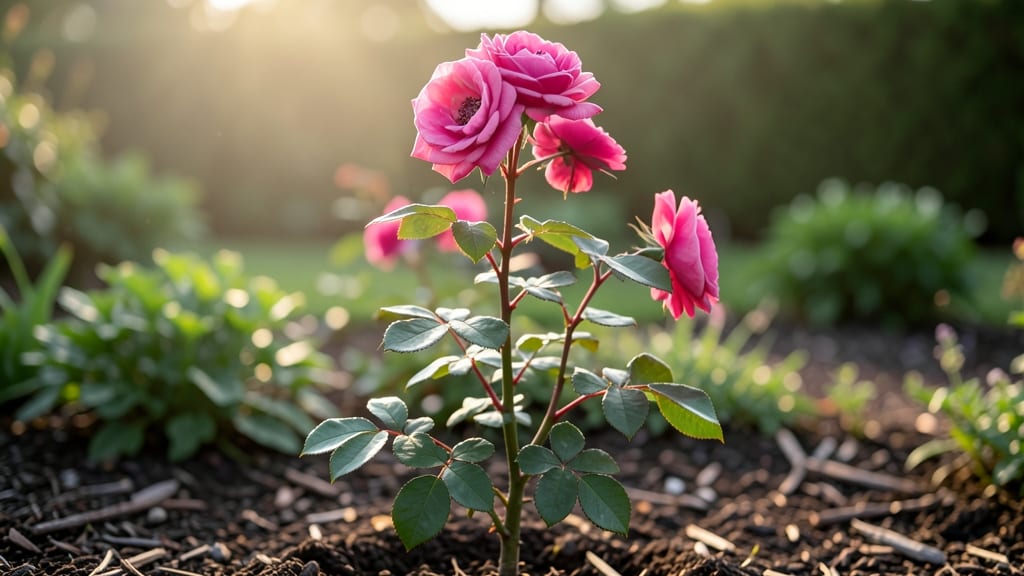
Planting the Kent Beauty in your garden means welcoming fragrant purple blooms that thrive even when winter chills the air. 🌿 This cold-hardy perennial stands out with its striking color and intoxicating scent, making it a standout in any landscape—whether you're a seasoned gardener or just starting out.
The secret to its success lies in the right conditions: full sun to partial shade, well-draining soil, and consistent moisture without soggy roots. Once established, it rewards you with vibrant blooms from late spring to summer, and its resilience makes it perfect for zones 3-8.
Pruning after flowering keeps it tidy and encourages next year’s growth. You’ll love how effortlessly it handles pests and diseases—just watch for aphids and treat them early with a strong spray of water.
The fragrance alone makes it worth the care, filling your garden with a sweet, heady aroma that draws in pollinators and neighbors alike. Perfect for borders, cottage gardens, or even as a standalone specimen.
With the right care, this plant will become the jewel of your outdoor space for years to come.
📚 In This Guide
- What you need
- Instructions
- Tips and common mistakes
- Wrapping up and next steps
What you need
- ● Kent Beauty Plant Seeds or Seedlings: Quantity: 5–10 seeds (or 3–5 seedlings for a small garden patch)
- ● Variety: Choose Centaurea moschata ‘Kent Beauty’ (purple blooms) or mixed colors
- ● Well-Draining Soil: Type: Sandy loam or amended garden soil (pH 6.0–7.5)
- ● Additives: Perlite or coarse sand (1 part per 3 parts soil) for drainage
- ● Sunlight Access: Full sun (6+ hours of direct light daily)
- ● Watering Can or Hose: With a gentle spray nozzle (avoid soaking the soil)
- ○ Garden Gloves: Optional but recommended for handling prickly stems
- ● Fertilizer: Slow-release granular fertilizer (10-10-10 ratio) or compost tea for extra blooms
- ● Mulch: Straw or shredded bark to retain moisture and suppress weeds
- ● Stakes or Trellis: For taller varieties (if growing in windy areas)
- ● Pruning Shears: For deadheading spent blooms (encourages more flowers!)
- ● Drip Irrigation Kit: For automated watering in dry climates
How to grow and care for a thriving Kent Beauty plant
This cold-hardy beauty thrives with the right balance of light, soil, and patience—here's exactly how to grow one.
🌱 Step 1: Choose the Perfect Planting Spot
Kent Beauty plants love full sun to partial shade, ideally 6+ hours of direct sunlight daily. I always pick a location with morning sun and afternoon shade to protect delicate blooms from intense afternoon heat. The plant handles USDA zones 3-8, making it perfect for northern climates.
Check your spot's drainage by digging a 12-inch deep hole—if water pools after 30 minutes, amend the soil with compost to improve drainage. These plants hate soggy roots, so well-draining soil is non-negotiable. I like to test soil pH too; Kent Beauty prefers 6.0-7.0—you can adjust with lime if needed.
🪴 Step 2: Plant at the Right Depth and Spacing
Dig a hole twice as wide as the root ball but only as deep as the container's height. Gently remove the plant from its pot and loosen any circling roots with your fingers. Planting too deep can suffocate the stem, while too shallow means poor stability.
Space plants 18-24 inches apart—this gives them room to spread and prevents overcrowding. Backfill with native soil mixed with compost (I use about 1 part compost to 3 parts soil) and tamp lightly to remove air pockets. Water deeply right after planting to settle the soil around roots.
☀️ Step 3: Water Consistently Without Overdoing It
Water newly planted Kent Beauty once weekly during the first growing season, providing 1 inch of water per week. Let the top 2 inches of soil dry out between waterings—you'll know it's time when the soil feels dry to touch. Overwatering causes root rot, which is deadly for these perennials.
Once established, Kent Beauty becomes quite drought-tolerant. I check for wilting leaves as a signal—if they droop slightly in the afternoon but perk up in the morning, the plant is thirsty. Mulch with 2-3 inches of organic mulch to retain moisture and regulate soil temperature.
✂️ Step 4: Prune for Longer Blooms and Healthy Growth
Deadhead spent blooms regularly to encourage more flowers. I snip off faded flowers with clean pruners, cutting just above a set of leaves. This redirects the plant's energy from seed production to growing new blooms. Prune lightly in early spring to shape the plant and remove any dead or damaged stems.
After the first frost, cut back the entire plant to 4-6 inches tall. This helps protect the crown from winter damage and encourages fresh, vigorous growth in spring. Don't worry—Kent Beauty is hardy enough to bounce back beautifully each season.
🌿 Step 5: Fertilize for Vibrant Purple Blooms
Apply a balanced, slow-release fertilizer (10-10-10) in early spring, just as new growth appears. I sprinkle about ½ cup per plant and gently work it into the top 2 inches of soil. Avoid high-nitrogen fertilizers—they promote leafy growth at the expense of flowers.
In mid-summer, switch to a low-nitrogen, high-phosphorus fertilizer (like 5-10-10) to boost blooming. Water the soil well before and after applying fertilizer to prevent root burn. I've found that too much fertilizer can actually reduce flowering, so less is often more with these beauties.
Tips & tricks for perfect Kent Beauty plant care
These simple tricks will help your cold-hardy perennial thrive with minimal effort—and maximum beauty.
Location Secret: The 6+ hours of sunlight in Step 1 should include morning sun (6 AM-12 PM) for best results. I've noticed that afternoon shade is crucial—those delicate blooms can scorch in intense midday heat, especially in zones 7-8. If your garden gets harsh afternoon sun, consider planting near a fence or wall for natural shade.
Soil Test Tip: Before planting, grab a soil test kit from your local garden center—it's only $15 and takes 10 minutes. Kent Beauty prefers pH 6.0-7.0, and adjusting with lime (if needed) makes all the difference. I once planted mine in slightly acidic soil (pH 5.5) and noticed the blooms were less vibrant until I corrected it.
Planting Depth Check: When checking planting depth in Step 2, look for the soil line on the root ball—this is where the stem meets the roots. Plant so this line sits just above ground level. I learned this the hard way when I buried a plant too deeply and it struggled to establish for weeks.
Watering Cue: The wilting test in Step 3 works best in the late afternoon. If leaves droop but perk up by morning, your plant is fine. However, if they stay wilted overnight, it's time to water. I keep a small trowel handy to check soil moisture—just scrape away a bit of mulch and feel the top inch of soil.
Pro Tips for Kent Beauty Plant
- These simple tricks will help your cold-hardy perennial thrive with minimal effort—and maximum beauty.
- Location Secret: The 6+ hours of sunlight in Step 1 should include morning sun (6 AM-12 PM) for best results.
- Soil Test Tip: Before planting, grab a soil test kit from your local garden center—it's only $15 and takes 10 minutes.
Frequently asked questions
Got questions about growing the Kent Beauty Plant? You’re in the right place! This cold-hardy perennial is stunning but may raise a few curiosities—especially for first-time gardeners. Below, we tackle the most common concerns to help you nurture your Sedum telephium with confidence.
Can Kent Beauty Plants Survive Winter in Cold Climates?
This hardy perennial thrives in USDA Zones 3–8, making it perfect for snowy winters. Its thick, fleshy leaves store water, and its deep roots protect it from frost. Just mulch lightly in late fall to shield roots from extreme cold—no extra fuss needed!
How Long Does It Take for Kent Beauty to Bloom?
Patience pays off! From seed, expect blooms in 2 years, while established plants (transplanted) may flower the first year. For fastest results, buy a nursery-started plant. Late summer to fall is prime bloom time—just give it full sun and well-draining soil.
What If My Kent Beauty Isn’t Flowering?
No flowers? Check these fixes:
- Sunlight: Ensure 6+ hours of direct sun daily.
- Soil: Amend heavy clay with compost for better drainage.
- Age: Young plants (under 2 years) may need time.
- Fertilizer: Skip high-nitrogen feeds—it encourages leaves over blooms.
Can I Grow Kent Beauty in Containers?
Yes! Choose a 12"+ pot with drainage holes and use a well-draining mix (like cactus/succulent blend). Containers dry out faster, so water when the top inch of soil is dry. Just be mindful—root-bound plants may bloom less. Rotate the pot occasionally for even growth!
Are Kent Beauty Plants Prone to Pests or Diseases?
Generally resilient, but watch for:
- Aphids: Spray with water or neem oil if clusters appear.
- Powdery Mildew: Improve airflow and avoid overhead watering.
- Root Rot: Never let soil stay soggy—this is the #1 killer!
Pro Tip for Extra-Long Blooms
Cut back 1/3 of the plant after the first flush of blooms in early fall. This trick stimulates a second wave of flowers and keeps your plant looking fresh until frost!
Wrapping up and next steps
Adding a Kent Beauty Plant to your garden is a fantastic way to bring year-round beauty and fragrance to your outdoor space. Its cold-hardy nature and stunning purple blooms make it a low-maintenance yet high-reward choice for any gardener.
Whether you're a beginner or a seasoned plant enthusiast, this resilient perennial is sure to impress!
Ready to plant your own? Start by gathering your supplies, choosing the perfect spot, and following the steps we’ve shared. Before you know it, your garden will be bursting with color and scent—and you’ll be the proud gardener behind it! 🌸🌿