
Planting
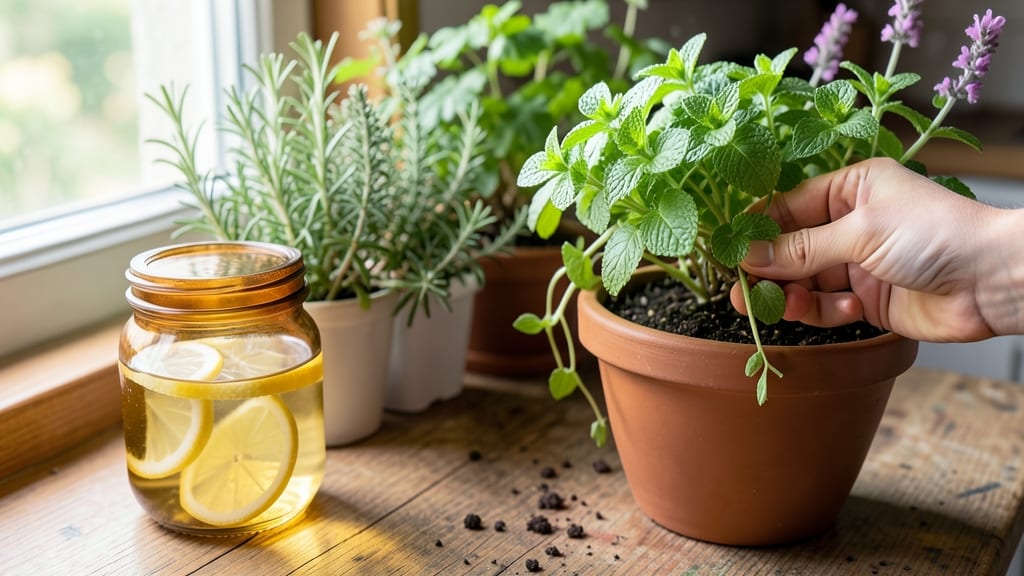
The lemon mint plant uses are as versatile as they are valuable—this hardy herb isn’t just about pretty foliage, but your garden’s secret weapon for flavor, healing, and pest control. 🌿 I’ve turned mine into a triple-threat plant: the kitchen’s star ingredient, the medicine cabinet’s helper, and the garden’s natural protector. The bright green leaves pack a zesty punch that elevates everything from iced tea to homemade salves, while its strong scent repels mosquitoes and ants like magic.
This fast-growing perennial thrives in partial shade to full sun and tolerates almost any soil, making it the perfect low-maintenance plant for containers or garden beds. Once established, it spreads easily—just snip a cutting to share with friends or propagate new plants.
The best part? You’ll harvest fresh leaves all season long, with peak flavor in late spring and summer when the oils are strongest.
Imagine sipping homemade lemon mint tea that soothes digestion, using the leaves in pest-repellent sprays, or tucking it beside tomatoes to deter spider mites. The possibilities are endless, from garnishes and desserts to natural remedies and garden allies.
With just a few plants, you’ll have a year-round supply of something useful—and delicious—right outside your door.
Whether you’re growing it for the kitchen, the garden, or both, lemon mint delivers results without the fuss. Start with a few plants, and you’ll wonder how you ever lived without it. Here’s how to make the most of yours from day one.
📚 In This Guide
- What you need
- Instructions
- Tips and common mistakes
- Wrapping up and next steps
What you need
- ● Lemon mint seeds or cuttings: 5–10 seeds (or 2–3 healthy cuttings from an existing plant).
- ● Potting soil: 1–2 bags (well-draining, organic mix—look for peat-based or coco coir blends).
- ● Containers: 1–2 6-inch pots (for seedlings).
- ● 1 12-inch pot or garden bed (for mature plants—lemon mint spreads aggressively!).
- ● Watering can or spray bottle: With a fine mist nozzle for gentle hydration.
- ○ Fertilizer (optional but helpful): Balanced 10-10-10 liquid fertilizer (1 tsp per gallon of water, every 4–6 weeks).
- ● OR compost tea (for organic growth).
- ● Pruning shears: Sharp, clean pair for harvesting or shaping.
- ● Mulch: Straw or bark chips to retain moisture and suppress weeds.
- ● Grow lights: If indoors (LED or fluorescent, 12–16 hours/day).
- ● Food processor or mortar & pestle: For crushing leaves into pastes or teas.
- ● Glass jars: For storing dried leaves or homemade lemon mint remedies.
How to maximize your lemon mint plant's culinary and medicinal potential
This fragrant powerhouse does more than just scent your garden—here’s how to harness its full potential.
🌿 Step 1: Identify the Best Parts for Harvesting
Lemon mint’s most potent parts are its fresh leaves and flowering tops, but timing matters. Harvest leaves just before flowering for the strongest flavor—this is usually 3-4 weeks after planting or when the plant reaches 6-8 inches tall. You’ll know it’s ready when the leaves smell intensely citrusy and the stems feel firm to the touch.
For medicinal uses, focus on the leaves and young stems. The oil content peaks in the morning after dew has dried, so harvest between 8 AM and 10 AM for maximum potency. Avoid harvesting after rain—the leaves dilute in flavor and may develop mold.
☀️ Step 2: Culinary Uses Beyond the Basics
While lemon mint is perfect for teas and desserts, its versatility extends to savory dishes too. Chop fresh leaves into salads, gazpacho, or grain bowls for a bright, citrusy kick. I like to blend it into homemade pesto with basil, garlic, and pine nuts—it adds a refreshing twist that cuts through rich flavors.
For cocktails, muddle leaves with lime juice and simple syrup to make a vibrant garnish. The aroma alone elevates drinks like mojitos or gin rickeys. Just remember: use it sparingly—lemon mint’s flavor is bold, and a little goes a long way.
💧 Step 3: Medicinal Applications and Remedies
Lemon mint’s natural compounds make it a go-to for digestive relief and stress reduction. Steep 1 tablespoon of fresh leaves in 1 cup of boiling water for 5-10 minutes to create a soothing tea. Drink it cool or warm to ease nausea, bloating, or headaches—just don’t overbrew, or it’ll turn bitter.
For topical use, crush fresh leaves and apply them to temples or the back of the neck to relieve tension headaches. The cooling menthol helps numb discomfort while the citrus scent uplifts your mood. I also add a few drops of lemon mint essential oil (diluted) to my homemade muscle rub for post-workout relief.
✂️ Step 4: Preserve for Year-Round Use
Freeze leaves whole in ice cube trays with water for easy addition to soups or stews later. Once frozen, they’ll keep for up to 6 months without losing much flavor. Alternatively, dry bundles of leaves in a dark, airy space for 1-2 weeks—hang them upside down and strip the dried leaves for teas or seasoning.
For a longer shelf life, make lemon mint-infused honey or vinegar. Simmer 1 cup of fresh leaves in 2 cups of honey or vinegar for 20 minutes**, then strain and store in a sealed jar. This preserves the plant’s essence and adds a unique twist to dressings or desserts.
🌱 Step 5: Propagate for Continuous Supply
Lemon mint spreads aggressively, so use its vigor to your advantage. Snip 3-4 inch stem cuttings from healthy growth, remove the lower leaves, and place them in water. Roots will form in 7-10 days—you’ll see tiny white tendrils at the base. Transfer to soil once roots reach 1 inch long.
Divide mature plants in spring by digging up clumps and separating the stems with roots intact. Replant sections in pots or garden beds to expand your harvest. This ensures you’ll always have fresh lemon mint on hand for cooking, remedies, or sharing with neighbors.
Tips & tricks for perfect lemon mint plant harvesting
Between us, lemon mint's versatility makes it a garden MVP—but only if you know how to work with it. Here's how to get the most out of every harvest.
Timing is Everything: The 8 AM to 10 AM harvest window is non-negotiable for maximum potency. That's when the essential oils are at their peak, and the leaves have dried off from morning dew. I've learned this the hard way after making tea from leaves harvested later in the day—noticeably weaker flavor every time.
Harvest Technique Matters: When harvesting leaves just before flowering (around 6-8 inches tall), use clean, sharp scissors to avoid crushing the stems. This prevents bruising that can lead to mold, especially in humid conditions. I cut just above a leaf node to encourage bushier growth—never pull leaves directly from the stem.
Preservation Pro Tips: For freezing leaves, wash and thoroughly dry them first to prevent ice crystals from forming. Once frozen in ice cube trays, transfer them to a labeled freezer bag with the date—this keeps them organized and ready for soups or stews. The 6-month shelf life is accurate, but I've found they taste best within the first 3 months.
Medicinal Potency Boost: When making tea with 1 tablespoon of leaves in 1 cup of boiling water, let it steep for the full 5-10 minutes—the longer steep time (up to 10 minutes) extracts more of the calming compounds. For topical use, crush leaves between your fingers rather than chopping to release more of the cooling menthol oils.
Pro Tips for Lemon Mint Plant Uses
- Between us, lemon mint's versatility makes it a garden MVP—but only if you know how to work with it.
- Timing is Everything: The 8 AM to 10 AM harvest window is non-negotiable for maximum potency.
- Harvest Technique Matters: When harvesting leaves just before flowering (around 6-8 inches tall), use clean, sharp scissors to avoid crushing the stems.
Frequently asked questions
Got questions about growing and using your lemon mint plant? You’re not alone! Here are some of the most common queries—plus quick, practical answers to help you make the most of this versatile herb.
Can I grow lemon mint indoors?
Lemon mint thrives in containers and does well indoors as long as it gets bright, indirect light (like a sunny windowsill). Use well-draining soil and a pot with drainage holes to prevent root rot. Just keep an eye on humidity—mist the leaves occasionally if the air feels dry.
How often should I harvest lemon mint?
Harvest regularly to encourage bushier growth! Snip leaves or stems just above a set of leaves (avoid cutting more than ⅓ of the plant at once). For best flavor, harvest in the morning after the dew dries. You can harvest every 2–3 weeks, or more frequently if you’re using it often in cooking or tea.
Why is my lemon mint turning yellow?
Yellowing leaves usually signal overwatering or poor drainage. Lemon mint prefers soil that’s moist but not soggy. Let the top inch of soil dry out between waterings, and ensure your pot has drainage holes. If the roots smell rotten, trim the affected parts and repot in fresh, well-draining soil.
Can I substitute lemon mint for regular mint in recipes?
Yes! Lemon mint’s bright, citrusy flavor works beautifully in place of regular mint, especially in tea, desserts, or savory dishes. However, its zesty kick might overpower delicate recipes like tabbouleh—start with half the amount and adjust to taste. For cocktails, it’s a fantastic twist on mojitos or lemonade!
How do I overwinter lemon mint outdoors?
Lemon mint isn’t frost-hardy, so if you’re growing it outdoors in cold climates, dig up the plant before the first frost and transfer it to a pot. Keep it indoors near a sunny window or under grow lights until spring. Alternatively, mulch heavily and cover with burlap if you prefer to leave it in the ground—just monitor for freezing temps!
Wrapping up and next steps
The lemon mint plant is more than just a fragrant addition to your garden—it’s a versatile powerhouse with culinary, medicinal, and practical benefits that make it a must-have for any plant lover.
Whether you’re brewing soothing tea, enhancing dishes with its bright flavor, or harnessing its natural remedies, this plant proves that nature’s gifts are right at your fingertips. 🌿
Ready to unlock its full potential? Start by planting one today, experiment with its uses, and watch how this little green wonder transforms your home—one leaf at a time!